What is the best basement ventilation system? Homeowners just like you ask themselves this question every time they see issues in their basement. In this guide, we will explore the importance of basement ventilation. Whether you’re looking to improve air circulation, prevent moisture-related issues, or create a more habitable space, understanding your options is key to making an informed decision.
Do Basements Need Ventilation?
Proper ventilation plays a critical role in ensuring the comfort, air quality, and overall health of your basement environment. Here’s why basements need ventilation:
- Air Quality: Without adequate ventilation, basements can become stagnant and trap pollutants, leading to poor indoor air quality. This can result in issues like musty odors, allergens, and even health problems.
- Moisture Control: Basements are prone to moisture buildup, which can promote mold and mildew growth. Proper ventilation helps manage humidity levels, reducing the risk of these issues.
- Temperature Regulation: Effective ventilation can help regulate the temperature in your basement, making it more comfortable year-round. In colder months, it prevents excessive humidity, which can lead to condensation and dampness. In warmer months, it aids in cooling the space.
- Preventing Structural Damage: Moisture and humidity can damage the structural integrity of your basement over time. Ventilation helps protect against costly structural repairs.
What is the Best Basement Ventilation System?
Now that we understand the importance of basement ventilation, let’s explore the characteristics that define the best basement ventilation system. Here are the different types of basement ventilation systems and their features:
- Natural Ventilation: Natural ventilation relies on openings like windows and vents to allow fresh outdoor air to enter the basement and stale indoor air to exit. It’s an energy-efficient option and can be effective in climates with mild weather. However, it may not provide consistent ventilation in all conditions.
- Mechanical Ventilation: Mechanical ventilation systems, such as exhaust fans or air exchange units, actively move air in and out of the basement. These systems ensure consistent air quality and humidity levels throughout the year, making them valuable for regions like Philadelphia, New Jersey, and Delaware.
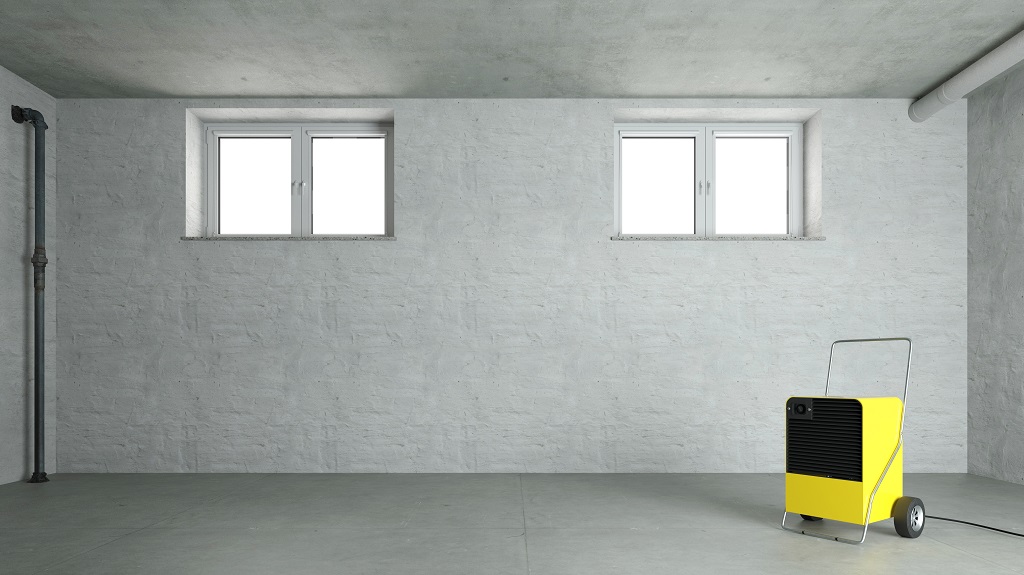
- Dehumidification Systems: Basements are prone to humidity, which can lead to mold and musty odors. Dehumidifiers are essential components of basement ventilation systems, helping to maintain optimal humidity levels. Consider systems that integrate dehumidification for comprehensive moisture control.
- Ductwork and HVAC Integration: If your basement is part of your home’s HVAC system, integrating it with your existing ductwork can be a viable option. This allows you to regulate temperature and air quality in sync with the rest of your home.
- Air Purification: To enhance air quality, consider basement ventilation systems that include air purification features. These systems can remove allergens, pollutants, and odors, creating a healthier environment.
Given the varying weather conditions in the Pennsylvania and surrounding areas, it’s advisable to seek a professional assessment from experts like Pressman Home Services. We consider the specific regional factors and tailor a solution to your basement’s unique needs, ensuring optimal performance regardless of the weather.
Choosing the Right Basement Ventilation System in Pennsylvania
Now that we’ve considered the factors that define the best basement ventilation system, let’s focus on how to make the right choice for your specific needs in the context of Pennsylvania’s regional climate.
- Humidity Control: Pennsylvania’s summers can be hot and humid, which can lead to high indoor humidity levels in basements. To combat this, it’s crucial to choose a ventilation system that effectively controls humidity. Mechanical ventilation systems with built-in dehumidification capabilities can help maintain optimal humidity levels throughout the year.
- Seasonal Temperature Variations: Pennsylvania sees significant variations in temperature between seasons. When selecting a ventilation system, consider one that can adapt to these temperature extremes. Mechanical ventilation systems can provide consistent air quality and temperature regulation, ensuring your basement remains comfortable regardless of the season.
- Winter Weather: Pennsylvania experiences cold winters with the potential for heavy snowfall. In these conditions, it’s essential to choose a ventilation system that prevents condensation and moisture buildup during the heating season. Proper insulation and sealing are also crucial to prevent cold drafts and energy loss.
Remember that every basement is unique, and seeking professional guidance, such as a thorough assessment from experts like Pressman Home Services, is a wise step. We understand Pennsylvania’s climate intricacies and can recommend the ideal ventilation system for your basement’s comfort and health.
Now that you have the answer to “what is the best basement ventilation system?” in Pennsylvania, you can rest assured that with the right system in place, you’re not just enhancing your basement; you’re enhancing your home’s overall well-being. At Pressman Home Services, we offer free inspections to give you the best option for your basement. You can complement your basement ventilation system with our waterproofing services, ensuring you have a safe living environment for the years to come.