Basement flooding can be a homeowner’s worst nightmare. Whether it’s from heavy rain, rising groundwater, or a plumbing mishap, water damage can cause expensive repairs and serious headaches. That’s where a sump pump installation comes in—it’s the unsung hero that keeps your basement dry and your home protected.
But how is a sump pump installation done? Is it something you can DIY, or do you need a professional? And what happens if your basement doesn’t have one? In this guide, we’ll break down everything you need to know about sump pump installation, costs, and why having one is essential for your home.
How Is a Sump Pump Installation?
A sump pump installation is a step-by-step process that involves creating a drainage system to remove excess water from your basement or crawl space. Whether you’re installing a sump pump in a new home or retrofitting an older basement, the process ensures that water is effectively diverted away from your foundation.
Step 1: Choosing the Right Sump Pump
Before installation begins, it’s important to select the right sump pump for your needs. There are two main types:
- Submersible Sump Pump – Sits inside the sump pit and operates quietly underwater. Ideal for finished basements.
- Pedestal Sump Pump – Stands above the pit, making it easier to maintain but louder when running. A good option for smaller sump pits.
A professional will help determine which type is best based on your basement size, water table level, and risk of flooding.
Step 2: Selecting the Installation Location
The sump pump needs to be installed in the lowest part of the basement, where water naturally collects. Professionals will identify the best spot to ensure maximum efficiency and proper drainage.
Step 3: Digging the Sump Pit
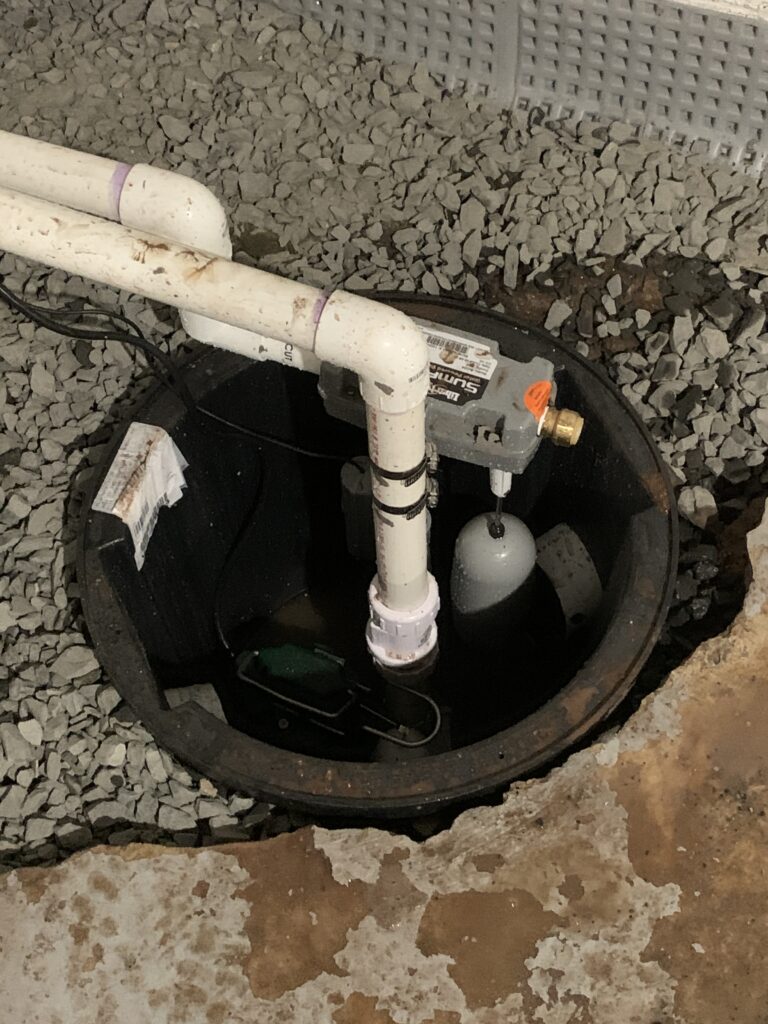
A hole (typically about 2 feet deep and 18 inches wide) is dug into the basement floor. This pit will house the sump pump and collect excess groundwater. The area is lined with gravel to help with drainage and prevent clogging.
Step 4: Installing the Sump Pump
Once the pit is ready, the sump pump is placed inside the basin. A check valve is added to the discharge pipe to ensure water flows out without backing up into the pit.
Step 5: Installing the Discharge Pipe
The sump pump must pump water away from the house. A discharge pipe is installed to direct water at least 10 feet away from the foundation. In some cases, additional drainage solutions like a French drain may be needed for better water management.
Step 6: Connecting the Power Supply
A sump pump requires a reliable power source. It is plugged into a ground fault circuit interrupter (GFCI) outlet to prevent electrical hazards. Some homeowners opt for a battery backup system to ensure functionality during power outages.
Step 7: Testing the System
The final step in sump pump installation is testing. Water is poured into the sump pit to check that the pump activates, removes the water efficiently, and shuts off properly.
While these steps may seem straightforward, a professional sump pump installation ensures that the system is installed correctly and will function reliably when you need it most.
Can I Add a Sump Pump to an Existing Basement?
Yes! If your basement doesn’t already have a sump pump, you can absolutely add one. In fact, installing a sump pump in an existing basement is a smart investment, especially if you’ve noticed water seepage, damp floors, or musty odors.
The process of adding a sump pump to an existing basement is similar to a new installation, but it requires breaking through the concrete floor to create the sump pit.
What If My Basement Doesn’t Have a Sump Pump?
If your basement doesn’t have a sump pump, you might not notice a problem right away—but over time, the risks add up. Without a sump pump installation, your home is more vulnerable to water damage, foundation issues, and mold growth. Here’s what can happen if you don’t have a sump pump:
- Basement Flooding – Without a sump pump, excess water has nowhere to go, leading to potential flooding during storms.
- Mold and Mildew Growth – Persistent moisture creates the perfect environment for mold, which can cause health issues and damage walls, carpets, and furniture.
- Foundation Damage – Over time, water pressure around your home’s foundation can cause cracks and structural problems.
- Higher Repair Costs – Water damage repairs can be expensive, and without a sump pump, you may be dealing with repeated issues.
If you’re noticing signs of moisture or dampness, installing a sump pump could save you from costly repairs and protect your home in the long run.
How Much Does It Cost to Have a Sump Pump Installation?
The cost of a sump pump installation depends on several factors, including the type of pump, labor costs, and whether additional drainage work is needed. While prices can vary, homeowners typically spend between $500 and $5,000 on installation.
Factors That Affect Sump Pump Installation Cost
- Type of Sump Pump – Submersible pumps cost more than pedestal pumps but tend to last longer and operate more quietly.
- New vs. Replacement Installation – If your home already has a sump pit, installing a new pump is cheaper than cutting into the concrete and creating a new drainage system.
- Battery Backup System – A battery backup can add $500–$1,500 to the total cost but ensures the pump keeps running during power outages.
- Additional Drainage Work – If your basement needs extra waterproofing, such as a perimeter drain system, the cost can increase significantly.
While the upfront cost might seem high, a sump pump can save you thousands in potential water damage repairs, foundation fixes, and mold remediation.
A professional sump pump installation ensures everything is set up correctly, giving you peace of mind that your basement will stay dry when you need it most.
Professional Sump Pump Installation
Many homeowners wonder, how is a sump pump installation best handled? While some attempt a DIY approach, hiring a professional is the smartest choice to ensure the job is done correctly. A professional will determine the best location for the sump pump, set up the drainage system properly, and make sure the discharge pipe directs water away from your home’s foundation. Improper installation can lead to pump failure, water pooling in the wrong areas, or even foundation damage. Additionally, local building codes may have specific requirements for sump pump installation, which a professional will ensure your system complies with.
When you choose Pressman Home Services, you get expert installation with quality workmanship and long-lasting results. Our team assesses your basement, installs the sump pump with precision, and thoroughly tests the system to ensure reliable operation. Don’t wait until your basement floods—take action now with a professional sump pump installation from Pressman Home Services. Contact us today to schedule your installation and keep your home dry and protected.