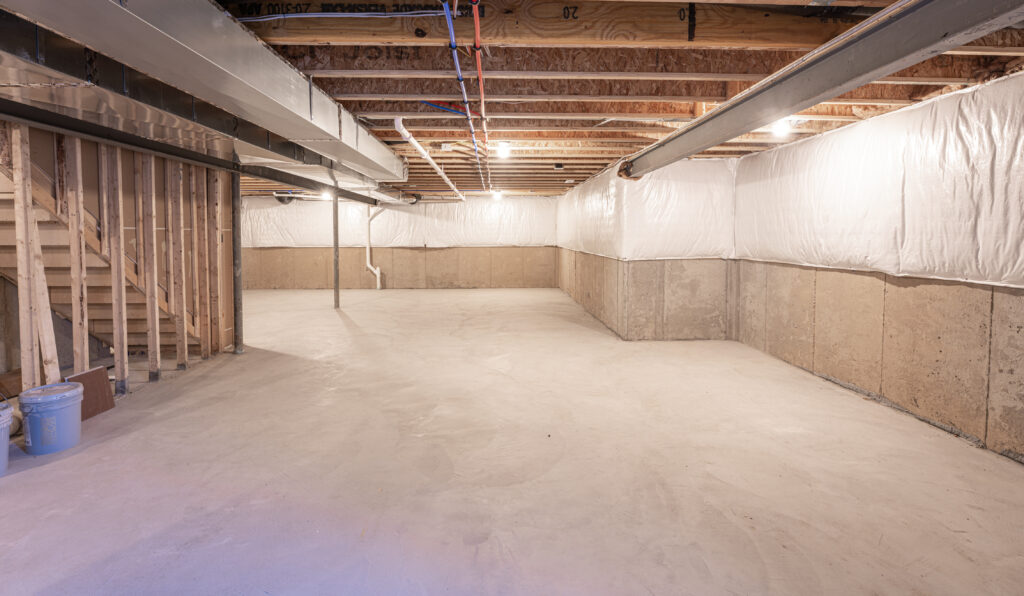
If your basement turns into a swimming pool every time the skies open up, you’re not alone. Bucks County homeowners know all too well how basement flooding during heavy rain can turn a peaceful Sunday into a soggy disaster. When the storms roll in, and the ground becomes waterlogged, water starts looking for the path of least resistance—and for many homes, that means straight into the basement.
But here’s the good news: you don’t have to live with the fear of the next big storm ruining your floors, your storage, or even your foundation. Basement waterproofing for heavy rains isn’t just possible—it’s essential. And when done right, it can protect your home for decades.
Whether your home has already been hit with flood damage or you’re just seeing the warning signs (like musty smells or damp walls), this guide is here to help you act fast. We’ll walk you through what actually works to keep water out, when it’s time to bring in a professional, and how to choose a reliable basement waterproofing contractor right here in Bucks County.
Basement Waterproofing for Heavy Rains: What Actually Works
When storm clouds gather and the weather forecast starts flashing flood warnings, your basement shouldn’t be the first casualty. The truth is, basement waterproofing for heavy rains isn’t a one-size-fits-all fix—it’s a combination of smart strategies, layered defenses, and the right tools working together.
Let’s break down the options, from inside-out protection to storm-ready tech that can save your home from a messy (and expensive) disaster.
Interior vs. Exterior Waterproofing
If you’ve been Googling solutions, you’ve probably seen the debate: Interior or exterior waterproofing? The answer? Both have their place—and sometimes, you need a combo.
Interior waterproofing
Interior waterproofing is all about managing water that’s already made its way inside or is putting pressure on your basement walls. Think of it like having a built-in water evacuation plan. This might include:
- Interior drain tile systems
- Vapor barriers
- Wall sealants and waterproof paint
- Sump pump installations
These solutions are less invasive and can be installed relatively quickly, especially helpful when you’re trying to stop basement flooding during heavy rain in a pinch. If you’re in a time crunch before the next storm, interior fixes are your fastest line of defense.
Exterior waterproofing
Exterior waterproofing, on the other hand, gets to the root of the issue—stopping water before it ever touches your foundation. This is a more long-term, permanent approach, but it’s also more intensive (think excavation). Common methods include:
- Exterior membranes and sealants
- Drainage boards
- Waterproof coatings on the outside of foundation walls
Here in Bucks County, where homes vary from new builds to historic charmers with stone or block foundations, the best approach often depends on your home’s age and construction style. A skilled basement waterproofing contractor will help you figure out which direction—or combination—makes the most sense.
Sump Pumps and Backup Systems for Heavy Storms
Let’s get one thing straight: if your home doesn’t have a sump pump, and you’re dealing with consistent wet weather, you’re playing a dangerous game.
Sump pumps are the heroes of basement waterproofing for heavy rains. They sit in a pit at the lowest point of your basement and quietly pump water out before it has the chance to rise up and flood your space. Think of them as a bouncer keeping rainwater from crashing the party.
But here’s the kicker—you need a backup. Heavy rains often bring power outages, and a sump pump without electricity is as useful as a screen door on a submarine. That’s where battery backup systems (or even water-powered backups) come in. They keep your pump working even when the grid goes down, which happens more often than we’d like during Bucks County storms.
Pro tip: test your sump pump before every major storm. Just pour a bucket of water into the pit and make sure it kicks on. If it doesn’t, that’s a red flag you don’t want to ignore.
French Drains and Yard Grading Improvements
You know what’s better than waterproofing your basement? Stopping water from getting anywhere near it in the first place. That’s where French drains and yard grading come in.
French drains are like secret underground highways for water. They collect excess groundwater and channel it safely away from your foundation. Installed either inside or outside, they consist of a perforated pipe laid in a gravel-filled trench, directing water toward a safe outlet—often your sump pump system.
Now, yard grading is about reshaping the slope of your lawn so water naturally flows away from your house instead of pooling around the foundation. This might sound basic, but it’s one of the most overlooked (and effective) ways to prevent basement flooding during heavy rain.
When to Get Professional Basement Waterproofing in Bucks County
You know that uneasy feeling when the forecast shows three days of rain and your basement already smells musty? That’s your home waving a big red flag. The truth is, the longer you wait to deal with basement flooding during heavy rain, the worse—and more expensive—the problem gets.
Getting professional basement waterproofing in Bucks County isn’t just about reacting after disaster strikes. It’s about protecting your home before the storm ever arrives. But how do you know when it’s time to stop DIY patching and call in the pros?
Let’s look at the key signs and timing to help you make that decision with confidence.
Warning Signs You Should Never Ignore
Basement water problems rarely show up out of nowhere. They usually start with small signs that homeowners often brush off—until the carpet’s soaked and boxes are floating.
Here are the most common early warning signs that mean it’s time to call a basement waterproofing contractor:
- Musty odors that linger even after cleaning
- Efflorescence (white powdery deposits) on basement walls
- Cracks in foundation walls or floors, even small ones
- Damp spots or discoloration on walls, especially near the floor
- Peeling paint or bubbling drywall
- A sump pump that runs constantly or fails to turn on
- Water stains or puddles that show up during or after storms
One homeowner in Newtown kept chalking up a “little basement dampness” to normal weather — until a surprise August downpour brought six inches of water into her finished basement. By the time Pressman Home Services got the call, she had thousands in carpet and drywall damage that could’ve been avoided if the early signs were addressed.
Don’t let your home send distress signals that get ignored. If you’re seeing any of these issues, it’s time to act.
Preparing Your Basement Before the Next Heavy Rain
Here in Bucks County, heavy rains aren’t a question of if—they’re when. And with more intense storms becoming the norm, prepping your basement in advance is crucial.
Here’s a quick pre-storm checklist to help you get ahead:
- Test your sump pump. Pour in water and make sure it turns on and drains properly.
- Install or upgrade a battery backup system for your pump.
- Seal any visible cracks in foundation walls with hydraulic cement.
- Clear your gutters and downspouts so water is diverted away from your home.
- Extend downspouts at least 6–10 feet away from the foundation.
- Check the grading around your home—soil should slope away, not toward, the foundation.
- Move valuables off the basement floor, especially electronics, books, or anything sentimental.
If you’re already dealing with water seepage, it’s not too late. Emergency waterproofing measures—like installing temporary drain systems or backup sump systems—can still be implemented before the storm hits.
But for long-term protection, professional basement waterproofing for heavy rains is the move that will actually keep your home dry storm after storm.
How Fast You Should Act After a Flooding Event
Flooding can feel overwhelming. The water’s there, your basement smells like a swamp, and you’re not sure what to do first. Here’s the bottom line: time is not your friend.
You should contact a basement waterproofing contractor within 24–48 hours after a flooding event. The sooner the water is removed and the area is assessed, the less likely you’ll deal with:
- Mold and mildew growth (which can start in as little as 24 hours)
- Structural damage to floors and walls
- Electrical hazards
- Ruined insulation and drywall
- Long-term air quality issues
Don’t just mop and dehumidify—get the problem inspected by a pro who knows what to look for, especially when it comes to hidden water behind walls or under floorboards.
At Pressman Home Services, we’ve seen how fast basement floods turn into six-figure foundation issues—especially in older Bucks County homes that were never designed for today’s wild weather. We’ve also seen how much damage can be prevented with a timely response and the right waterproofing plan.
Frequently Asked Questions About Basement Waterproofing for Heavy Rains
When you’re dealing with basement waterproofing for heavy rains, the questions tend to come flooding in—literally and figuratively. Whether you’ve just had your first leak or you’re deep in research mode after years of damp, musty smells, these are the most common concerns homeowners in Bucks County bring up.
Let’s tackle them head-on with clear answers to help you protect your home, your family, and your sanity.
Why does my basement flood only during heavy rain?
Great question—and one we hear all the time.
If your basement stays dry most of the year but suddenly floods during major storms, it’s likely due to hydrostatic pressure. That’s when saturated soil around your foundation starts pushing water inward. And because heavy rain increases the amount of water in the ground, it creates more pressure. Even a small crack or weak seal in your foundation can become a water entry point under that kind of stress.
In other words, your basement may seem fine in mild weather, but when it pours, any hidden vulnerabilities are exposed. Basement flooding during heavy rain is your home’s way of saying, “Help, I can’t hold this water back anymore!”
This is why basement waterproofing for heavy rains focuses not just on stopping current leaks, but on reinforcing your entire system to handle future storms.
How quickly should I act after basement flooding?
Immediately. No, seriously—right away.
After water enters your basement, mold can start growing in as little as 24 hours. Add to that potential damage to drywall, flooring, insulation, and even your foundation, and the repair bill can skyrocket fast.
We recommend calling a basement waterproofing contractor within 24 to 48 hours of any flooding event. Not only can they identify the cause, but they can also prevent future water issues by installing or upgrading the proper waterproofing systems.
Waiting too long only increases risk and cost. The faster you act, the more you save.
Do I need a sump pump if I already have waterproofing?
Yes—almost always.
Here’s the thing: basement waterproofing for heavy rains is most effective when multiple systems work together. Think of your sump pump as the “last line of defense.” It doesn’t prevent water from reaching your basement—it removes it if it does.
Even if you’ve sealed walls and installed French drains, a major storm could still overwhelm your system without a sump pump to actively pump water out. Especially in Bucks County, where intense rainfall can hit without warning, a reliable sump pump (with a battery backup) can be the difference between a dry floor and a disaster.
What’s the best waterproofing solution for older homes in Bucks County?
Bucks County is full of charming older homes—stone farmhouses, historic colonials, and 1950s ranches. But age often comes with foundation quirks.
Older stone or block foundations are typically more porous and prone to seepage. That means your waterproofing plan needs to work a little harder.
In most cases, the best solution for older homes includes a combination of:
- Exterior sealing to keep surface water out
- French drains to manage groundwater
- Interior drainage systems to intercept and redirect leaks inside
It’s not always about choosing one method—it’s about layering solutions to match your home’s structure and the kind of storms we get around here. That’s where an experienced basement waterproofing contractor makes all the difference. A one-size-fits-all fix won’t cut it for these homes.
How can I prevent basement flooding before the next heavy rain?
Prevention is your best friend. Here are smart steps you can take before the clouds roll in:
- Clean your gutters and downspouts. Clogged gutters dump water right at your foundation.
- Extend your downspouts. Make sure water is released at least 6–10 feet away from your house.
- Inspect and test your sump pump. Pour water into the pit to make sure it activates.
- Seal any visible cracks. Use hydraulic cement or waterproof sealant to patch up walls or floors.
- Improve your yard’s grading. The land around your home should slope away, not toward it.
All of these steps work together to reduce the amount of water pressing against your foundation. But if you’ve already experienced basement flooding during heavy rain, or you’re constantly worried about what the next storm will bring, it may be time for a more permanent solution—like professional basement waterproofing in Bucks County.
Choosing the Right Basement Waterproofing Contractor in Bucks County
If you’ve made it this far, you already know that basement waterproofing for heavy rains isn’t a luxury—it’s a necessity. Whether you’re dealing with water seepage, foundation cracks, sump pump issues, or full-on flooding, you need a basement waterproofing contractor who knows how to solve the problem fast and for good.
But with so many companies out there, how do you choose the right one?
Start local. At Pressman Home Services, we live and work in the same communities we serve. We know the soil types, the older foundations, the common weather patterns, and yes—the way a surprise downpour can wreak havoc on a basement in minutes.
We’re proud to provide basement waterproofing in Bucks County, Montgomery County, Philadelphia, and parts of New Jersey. Whether you’re in Doylestown, Levittown, Newtown, or across the river in Cherry Hill, our team is ready to help you keep your basement clean, dry, and protected—no matter how heavy the rain gets.
So if you’re searching for a trusted basement waterproofing contractor near you, one that actually shows up, cares about the results, and puts your home first—we’re your people.
Call Pressman Home Services today or request a free inspection online. We’ll help you take back control of your basement—and finally make storm season stress-free.