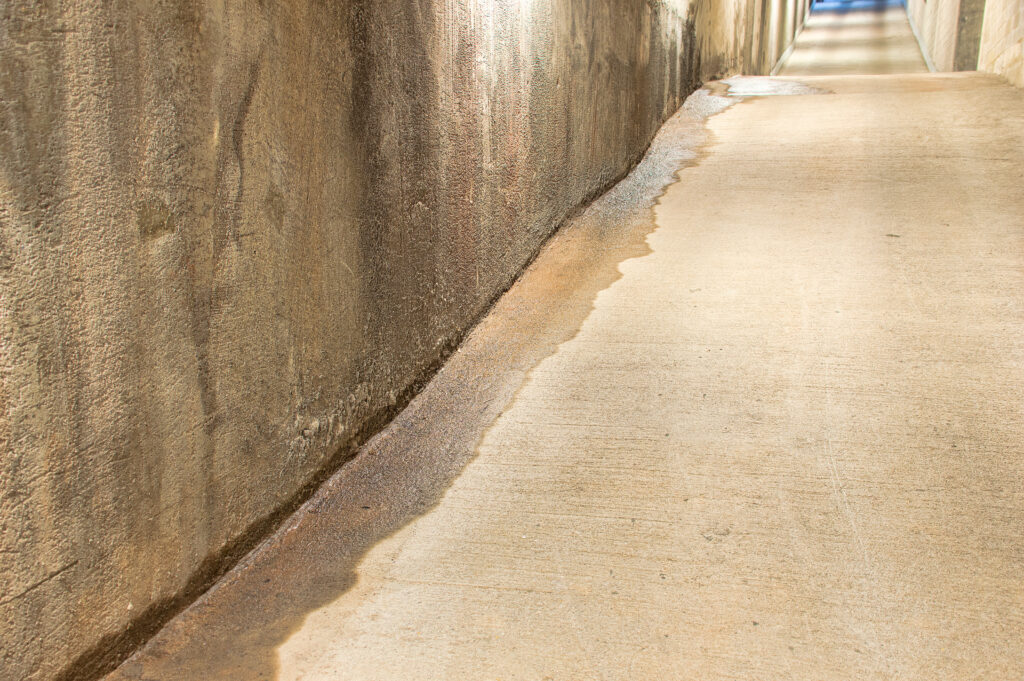
Finding standing water near basement walls can stop any homeowner in their tracks. One day your basement feels dry and usable, and the next you’re noticing damp areas, puddles along the walls, or a musty smell that wasn’t there before. It’s easy to brush it off as a one-time issue after a heavy rain, but basement water problems rarely stay small on their own.
In many homes across Bucks and Montgomery County, basement water issues are tied to how the home was built, how the soil drains, and how water moves around the foundation over time. When water collects near basement walls, it’s often a sign that moisture is pressing against your foundation and looking for a way inside. Left unaddressed, this can lead to bigger concerns that affect your comfort, your health, and even your home’s long-term value.
What is Standing Water Near Basement Walls?
When you see standing water near basement walls, it’s rarely just a surface issue. In most cases, it’s a sign that water is collecting outside your foundation and pushing inward, looking for the easiest path into your basement. Even if the water hasn’t fully seeped inside yet, that pressure alone can create ongoing moisture problems that don’t resolve on their own.
In towns like Doylestown, New Hope, Yardley, and surrounding Bucks County communities, this issue is especially common. Many homes in these areas are older or historic, built long before modern drainage systems and waterproofing methods were standard. Stone foundations, aging mortar, shallow footings, and outdated grading can all make it easier for water to gather near basement walls instead of draining away from the home.
Another factor is how the land itself behaves. Local soil tends to hold moisture, especially after periods of steady rain. When the ground becomes saturated, water has nowhere to go, so it settles along the foundation. Over time, that moisture builds up, increasing the chances of basement dampness, leaks, or visible pooling along the walls.
What’s important to understand is that standing water near basement walls doesn’t always show up as a dramatic flood. Sometimes it starts subtly — damp spots that never quite dry, a faint musty smell, or condensation that seems to linger longer than it should. These early signs often point to the same underlying issue: water isn’t being properly directed away from your home.
For homeowners in historic areas, this doesn’t mean something was “built wrong.” It simply means the home may need updated protection to handle today’s weather patterns and groundwater conditions. Identifying what the standing water is telling you early makes it much easier to choose the right fix before the problem grows into something more costly.
Common Problems Caused by Standing Water Near Basement Walls
Seeing standing water near basement walls isn’t just an inconvenience. Over time, that moisture can create a chain reaction of problems that affect both your home and the people living in it. Even small amounts of water, when left unchecked, can slowly wear down materials and create conditions that are hard to reverse.
Foundation Pressure and Cracking
When water builds up in the soil around your home, it puts constant pressure on the foundation walls. This pressure doesn’t go away on its own, especially during wet seasons. As the soil expands with moisture, it can push against the foundation, leading to small cracks or widening existing ones. Once cracks form, water has an even easier path inside, allowing standing water near basement walls to turn into active leaks.
Mold, Odors, and Indoor Air Quality
Moist environments are ideal for mold and mildew growth. When water lingers near basement walls, humidity levels inside the basement often rise, even if you don’t see visible water everywhere. Over time, this can lead to musty odors and poor air quality that spreads to other parts of the home. Many homeowners are surprised to learn that basement moisture can affect the air they breathe upstairs.
Damage to Finished Basements and Storage
Basements are often used as living space, storage areas, or both. When standing water near basement walls becomes a regular issue, flooring, drywall, furniture, and stored belongings are at risk. Even occasional dampness can warp materials, stain walls, and damage items that may not be easy to replace. Finished basements are especially vulnerable because moisture can hide behind walls and under floors.
Long-Term Home Value Concerns
Water problems tend to raise red flags during home inspections. A history of basement moisture or visible water damage can impact your home’s resale value and make buyers hesitant. Addressing the cause of standing water near basement walls early helps protect your investment and prevents minor issues from turning into major objections down the road.
Why Standing Water Near Basement Walls Happens in the First Place
To fix basement water issues for good, it helps to understand why standing water near basement walls shows up in the first place. In most homes, it’s not caused by just one problem. Instead, it’s usually a combination of how water moves across your property, how the soil reacts to rain, and how well the basement is protected.
Poor Drainage Around the Home
One of the most common causes is poor drainage around the foundation. When gutters are clogged, downspouts empty too close to the house, or the ground slopes toward the foundation instead of away from it, rainwater collects where it shouldn’t. Instead of being guided safely away, water settles near the basement walls and begins to soak into the surrounding soil.
Over time, this repeated exposure makes it harder for the area around the foundation to dry out completely, especially during wet months.
Saturated Soil After Heavy Rain
Soil can only absorb so much water. After days of heavy rain or melting snow, the ground around your home can become saturated. When that happens, water has nowhere to go but sideways, pressing directly against the foundation. This pressure often leads to moisture buildup and pooling near basement walls, even if you don’t have visible cracks.
In areas like Bucks and Montgomery County, this is a frequent issue due to soil composition and seasonal weather patterns that bring prolonged rainfall.
Failing or Missing Waterproofing Systems
Many older homes were built before modern waterproofing methods were available. In some cases, waterproofing systems were never installed at all. In others, older systems may have worn out over time. When waterproofing fails, water is no longer managed properly, allowing moisture to collect and linger.
Without effective protection in place, even normal rainfall can contribute to recurring basement dampness and water buildup along the foundation.
Basement Waterproofing Solutions That Actually Fix the Problem
When standing water near basement walls keeps coming back, quick surface fixes usually aren’t enough. The most effective approach is to manage how water moves around and beneath your home, not just mop it up after it appears. That’s where proven basement waterproofing services come into play, focusing on long-term protection instead of temporary relief.
Interior Drainage Systems
Interior drainage systems are designed to collect water before it spreads across the basement floor. These systems guide water along the perimeter of the basement and safely direct it away from the foundation. They’re especially effective for homes where water consistently shows up along the walls rather than from a single leak.
For many homeowners, this type of solution provides reliable protection without major disruption to the exterior of the home.
Sump Pump Solutions
A sump pump works hand in hand with interior drainage by actively removing water from beneath the basement. When groundwater levels rise, the pump turns on and redirects water away from the foundation. This is one of the most common and effective wet basement solutions for homes that experience repeated water buildup during heavy rain.
Modern sump pump systems are designed to operate quietly and efficiently, offering peace of mind even during severe storms.
Exterior Waterproofing (When Needed)
In some cases, the best solution starts outside the home. Exterior waterproofing addresses water before it ever reaches the basement walls. This approach may be recommended when there are ongoing drainage issues or when older foundations need added protection.
While not necessary for every home, exterior waterproofing can be an important part of a comprehensive plan when interior systems alone aren’t enough.
Why Surface Fixes Don’t Last
Homeowners often try sealants, patches, or waterproof paint as a first step. While these may improve appearances temporarily, they don’t relieve the pressure caused by water in the surrounding soil. As long as water continues to build up outside, standing water near basement walls is likely to return.
Lasting solutions focus on controlling water movement, not just covering up the symptoms.
Signs It’s Time to Call a Basement Waterproofing Company
It’s not always easy to know when a basement water issue has crossed the line from “minor annoyance” to something that needs professional attention. Many homeowners wait, hoping the problem will go away on its own. But when standing water near basement walls becomes a pattern instead of a one-time event, it’s usually a sign that the home needs more than a quick fix.
If you’re noticing any of the following, it may be time to speak with a professional who specializes in long-term basement protection:
- Standing water after every storm
If water appears in the same areas whenever it rains, it often means water isn’t being directed away from your foundation properly.
- Water lines or staining on basement walls
Discoloration or visible lines on walls can indicate repeated moisture exposure, even if the basement isn’t currently flooded.
- Musty smells or damp air
Persistent odors or a clammy feeling in the basement often point to ongoing moisture problems that can’t be solved with ventilation alone.
A professional evaluation can help identify whether the issue is drainage-related, foundation-related, or tied to aging waterproofing systems. Addressing these warning signs early can prevent more extensive damage and help protect your home before the next heavy rain.
Local Basement Waterproofing Solutions for Homeowners in Bucks & Montgomery County
Homes throughout Bucks and Montgomery County face unique challenges when it comes to basement water issues. From older construction styles to local soil conditions that hold moisture, it’s not uncommon for homeowners to deal with standing water near basement walls even when there hasn’t been extreme weather. This is especially true in areas with historic homes, where foundations were built long before modern drainage and waterproofing standards.
Local experience matters when addressing basement water problems. A solution that works in one region may not be effective in another. That’s why homeowners benefit from working with professionals who understand how water behaves in this area and how different foundation types respond over time. The right approach focuses on protecting the home as a whole, not just treating the visible symptoms.
Reliable basement waterproofing services are designed to match the specific needs of each home, whether that means improving drainage, managing groundwater, or reinforcing basement protection systems. When done correctly, these solutions help prevent recurring moisture issues and give homeowners confidence during heavy rain and changing seasons.
Get a Professional Basement Waterproofing Evaluation Near You
If you’re dealing with standing water near basement walls, getting a professional evaluation is the best way to understand what’s really going on and what it will take to fix it for good. A thorough inspection can uncover hidden moisture issues and identify which wet basement solutions make the most sense for your home and budget.
At Pressman Home Services, we specialize in helping local homeowners protect their basements and foundations with proven, long-term solutions. Our team understands the construction styles, soil conditions, and water challenges common throughout Bucks and Montgomery County, and we take the time to recommend options that truly work.
If basement water has you concerned, don’t wait for the problem to get worse. Contact Pressman Home Services today to schedule a professional basement waterproofing evaluation and take the first step toward a drier, healthier home.