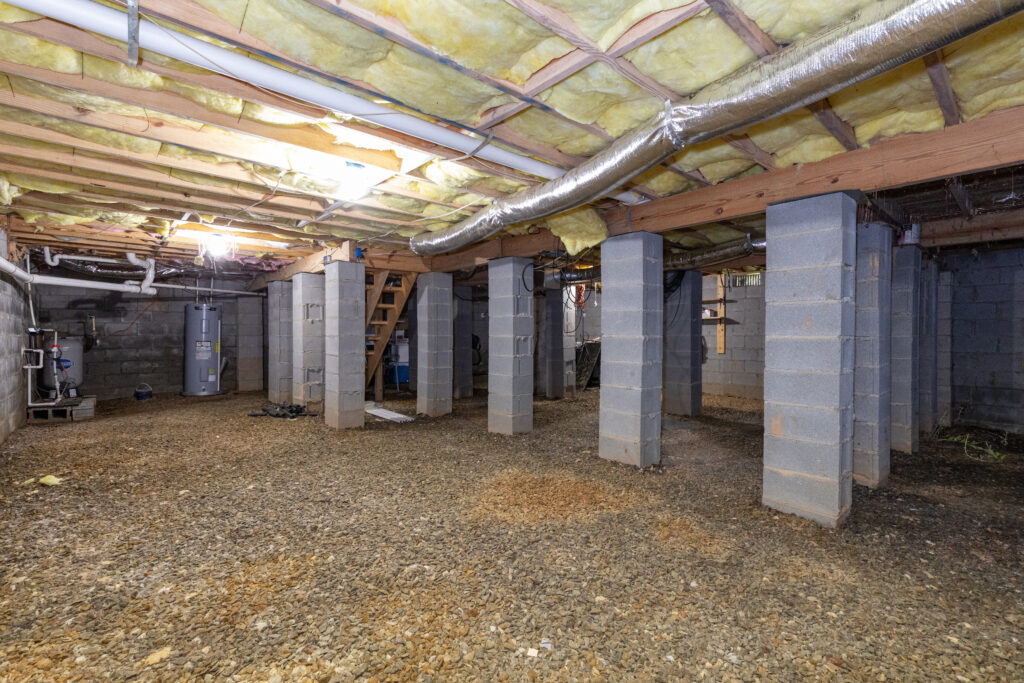
Humidity under your home can feel like one of those “invisible problems”… until it isn’t. Maybe you’ve noticed a musty smell that won’t go away, floors that feel a little bouncy, or indoor air that suddenly seems damp no matter how much you run the AC. In many Bucks County and Montgomery County homes, that moisture starts in the crawl space—where warm air, damp ground, and poor airflow can quietly team up and cause trouble.
The good news is you don’t have to guess your way through it. This guide breaks down how crawl space ventilation for moisture control works, what causes crawl space humidity in the first place, and when it’s time to bring in a pro. Whether you’re trying to prevent mold, protect wood framing, or stop humidity from creeping into your living space, the right approach to crawl space ventilation for moisture control can make your home feel cleaner, drier, and more comfortable
Why Crawl Space Moisture Is a Serious Problem for Your Home
Many homeowners rarely think about what’s happening beneath their floors. After all, the crawl space is hidden and out of sight. But when moisture starts to build up under your home, it can quietly create a long list of problems—from musty smells to structural damage. That’s why many homeowners begin looking into crawl space ventilation for moisture control once they notice humidity issues or signs of dampness inside their house.
Moisture trapped in a crawl space doesn’t just stay there. It can slowly move upward into your home, affecting indoor air quality, wood framing, insulation, and even energy efficiency. Over time, excessive humidity may lead to mold growth and wood rot. Taking steps toward proper crawl space ventilation for moisture control can help reduce these risks and protect your home from long-term damage.
Common Causes of Crawl Space Moisture and Humidity
Moisture rarely appears in a crawl space for just one reason. In most homes, humidity problems are the result of several small issues working together—outside moisture, poor airflow, or hidden leaks. When these problems go unnoticed, they can quickly lead to damp conditions that make crawl space ventilation for moisture control an important part of protecting the home.
Understanding where the moisture comes from is the first step toward effective crawl space moisture control. Below are some of the most common causes homeowners encounter.
Poor Drainage Around the Foundation
One of the most common sources of crawl space moisture starts outside the home. When rainwater or melting snow doesn’t drain properly away from the foundation, it can slowly seep toward the crawl space. Over time, this moisture enters through small cracks, porous concrete, or the soil beneath the home.
Clogged gutters, short downspouts, or poor grading around the yard can all contribute to this problem. When water constantly collects near the foundation, it increases humidity levels below the home and creates the perfect environment for damp soil and mold growth. In these cases, improving drainage and adding crawl space ventilation for moisture control can help reduce excess humidity.
High Outdoor Humidity Entering the Crawl Space
In many parts of Pennsylvania, especially during the warmer months, outdoor air carries a lot of humidity. When this humid air enters a crawl space through vents or small openings, it can quickly raise moisture levels inside the space.
Warm humid air meeting cooler surfaces—such as pipes, ductwork, or wooden beams—often leads to condensation. Over time, that condensation adds moisture to the crawl space environment. Proper crawl space ventilation for moisture control helps regulate airflow and reduce the amount of humidity trapped beneath your home.
Plumbing Leaks Beneath the Home
Small plumbing leaks under a home often go unnoticed for long periods of time. A slow drip from a pipe, water heater line, or drainage pipe can gradually add significant moisture to the crawl space environment.
Because crawl spaces are rarely inspected regularly, these leaks may continue for months before homeowners notice the signs. Damp insulation, wet soil, or musty odors inside the home can all indicate hidden plumbing problems. Addressing leaks quickly is an important step toward effective crawl space moisture control and preventing long-term damage.
Standing Water or Damp Soil
Another common cause of crawl space moisture is simply the ground itself. Soil naturally releases moisture into the air, especially after rain or during humid weather. Without protection, this moisture rises and fills the crawl space with damp air.
In some cases, water may even pool in low areas beneath the home. Standing water dramatically increases humidity levels and can create conditions where mold and mildew thrive. Combining proper drainage solutions with crawl space ventilation for moisture control can help reduce this ground moisture and keep humidity levels more stable.
Poor or Blocked Crawl Space Ventilation
Ventilation is one of the most important factors in keeping crawl spaces dry. When vents are blocked, damaged, or insufficient for the size of the space, air circulation becomes limited. Without proper airflow, humidity builds up and remains trapped beneath the home.
Leaves, debris, insulation, or even pests can block crawl space vents over time. When airflow is restricted, moisture levels rise and create an environment where mold, mildew, and wood damage can develop. Ensuring proper crawl space ventilation for moisture control allows humid air to escape and helps maintain healthier conditions beneath the home.
How Crawl Space Ventilation Helps with Moisture Control
When moisture builds up beneath a home, one of the most effective ways to manage it is by improving airflow. A properly designed system for crawl space ventilation for moisture control helps move damp air out while allowing fresh air to circulate through the space. Without this airflow, humidity becomes trapped, creating the damp environment where mold, mildew, and wood damage can develop.
Think of it like opening windows in a humid room. When air is allowed to move freely, moisture has a way to escape instead of settling on surfaces. The same concept applies to crawl spaces. By improving air circulation, homeowners can reduce humidity levels and protect the structural components beneath their homes.
Good ventilation also supports long-term crawl space moisture control by keeping wood beams, insulation, and subflooring drier. Over time, maintaining balanced airflow can help prevent the conditions that lead to rot, mold growth, and unpleasant odors inside the house.
Several elements work together to make crawl space ventilation effective:
- Ventilation fans – Mechanical vent fans help pull humid air out of the crawl space and replace it with drier air. These systems can run automatically when humidity levels rise, helping maintain a healthier environment under the home.
- Improved airflow circulation – Properly placed vents allow air to move through the crawl space instead of becoming trapped in corners or low areas. Better circulation prevents moisture from lingering on surfaces like wood beams or ductwork.
- Balanced humidity levels – When airflow improves, humidity levels are more likely to remain stable. This balance helps prevent condensation on pipes and wood framing, reducing the risk of mold and structural damage.
When installed correctly, crawl space ventilation for moisture control can make a noticeable difference in how dry and healthy the space beneath your home remains. It’s often one of the most important steps homeowners take to stop moisture problems before they lead to larger repairs.
When to Call a Crawl Space Moisture Control Expert
While some minor moisture issues can be improved with simple fixes like clearing vents or extending downspouts, there are situations where professional help becomes the safer and more effective option. Crawl spaces are difficult to inspect, and moisture problems often hide beneath insulation, behind ductwork, or within structural materials. When warning signs start appearing inside your home, it may be time to have an expert evaluate the situation.
Professionals can properly assess humidity levels, identify hidden water sources, and recommend the best solutions for crawl space ventilation for moisture control. If moisture has already caused damage or mold growth, specialized equipment and repairs may be necessary to fully restore the space. Below are some of the most common signs that it’s time to call a professional for crawl space moisture control.
Musty Odors Inside the Home
One of the earliest and most noticeable signs of crawl space moisture is a persistent musty smell inside the home. Even if the crawl space is sealed off from living areas, air from below can still travel upward through small openings in the flooring.
When damp wood, insulation, or soil sits in humid conditions for long periods, it often develops a stale odor. If that smell continues to return even after cleaning or improving ventilation inside the home, the source may be beneath the floor. In these cases, professionals can inspect the crawl space and determine whether improved crawl space ventilation for moisture control is needed.
Mold or Mildew in the Crawl Space
Mold thrives in dark, humid environments, which makes crawl spaces especially vulnerable when moisture levels rise. If mold or mildew begins forming on wooden beams, insulation, or stored materials under the home, it’s a clear sign that humidity levels are too high.
Mold growth not only damages structural materials but can also affect indoor air quality. Because mold spreads quickly, early treatment and proper crawl space ventilation for moisture control are important to stop the problem from worsening.
Higher Indoor Humidity
If your home suddenly feels more humid than usual, the problem may actually be coming from the crawl space. Moist air from below the house can travel upward into living spaces, making rooms feel damp and uncomfortable.
Homeowners sometimes notice that their air conditioner runs longer or that condensation appears on windows and vents. These signs often point to excess humidity below the home, which may require professional crawl space moisture control solutions to resolve.
Warped Floors or Insulation Damage
Moisture can slowly affect the structural materials beneath your home. Wooden floor joists and beams may begin absorbing humidity, which can cause them to swell, weaken, or warp over time. Homeowners might notice uneven flooring, squeaks, or soft spots developing in certain areas of the house.
Insulation in the crawl space can also become saturated with moisture. When insulation becomes wet, it loses its effectiveness and may begin to sag or fall away from the floor. If you see these types of structural warning signs, a professional evaluation and proper crawl space ventilation for moisture control may be necessary to prevent further damage.
Professional Crawl Space Waterproofing in Hilltown
Moisture problems in a crawl space rarely fix themselves. While small improvements like clearing vents or redirecting downspouts may help temporarily, persistent humidity often requires a more complete solution. That’s where professional inspection and repair services can make a real difference. Experienced technicians can identify the exact source of moisture and recommend the right combination of ventilation, drainage improvements, and waterproofing solutions to protect your home long term.
For many homeowners, installing proper crawl space ventilation for moisture control is one of the most effective ways to stabilize humidity levels under the home. When combined with other protective measures—such as vapor barriers or drainage adjustments—it helps prevent damp conditions that lead to mold growth, wood rot, and unpleasant odors. Professional crawl space waterproofing in Hilltown can also stop outside moisture from entering the crawl space in the first place, creating a healthier and more stable environment beneath your home.
At Pressman Home Services, we help homeowners solve crawl space moisture problems with reliable solutions designed for long-term protection. Our team understands how important it is to keep your home dry, safe, and comfortable. Whether the issue is poor airflow, standing water, or persistent humidity, we provide expert recommendations and dependable repairs to restore proper crawl space moisture control.
We proudly serve homeowners across Bucks County and Montgomery County, including communities like Hilltown, Hatfield, North Wales, Warrington, and surrounding areas. If you’ve noticed musty odors, high humidity, or other warning signs of crawl space moisture, our team is ready to help.
Don’t let hidden moisture damage your home over time. If you suspect a problem under your house, professional inspection and proper crawl space ventilation for moisture control can help protect your foundation, improve air quality, and give you peace of mind.
Contact Pressman Home Services today at 215-614-5444 to schedule an inspection or learn more about our crawl space waterproofing and moisture control services.