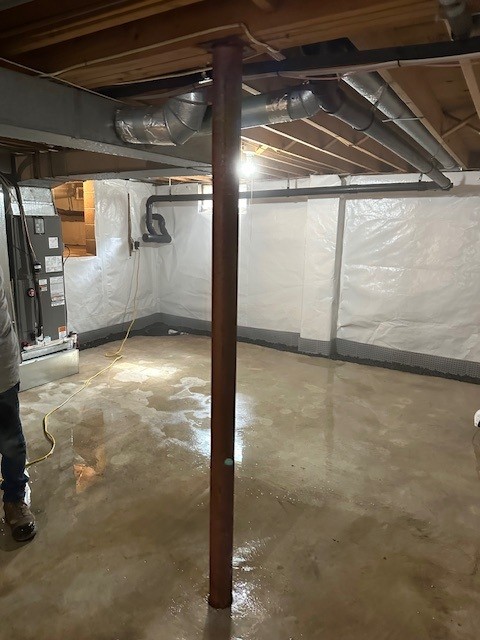
A dry basement should feel like a safe extension of your home—not a place where you worry about moisture, damp odors, or mysterious water stains along the walls. Yet many homeowners discover that water has a way of finding the smallest path into their basement. One of the most common culprits behind these leaks is something happening outside your home: hydrostatic pressure.
When soil around your foundation becomes saturated after heavy rain or rising groundwater, it creates powerful water pressure in basement walls. Over time, that pressure pushes against the concrete, looking for any weak point it can exploit. Even the strongest foundations can eventually develop small cracks or porous areas where water begins to seep through. What starts as a minor damp spot can quickly turn into a bigger problem involving mold, structural stress, and costly repairs.
This is where basement waterproofing for hydrostatic pressure becomes essential. Professional waterproofing systems are designed to relieve that pressure and redirect water safely away from your home before it can cause damage. Instead of constantly reacting to leaks, homeowners can protect their foundation and maintain a dry, healthy basement year-round.
What Is Hydrostatic Pressure in a Basement?
Hydrostatic pressure might sound like a complicated term, but the idea behind it is actually simple. When soil around your home becomes saturated with water, the moisture creates pressure as it pushes against your foundation walls and basement floor. This pressure builds up gradually, especially after heavy rain or when groundwater levels rise. Over time, the force of that water pressing against your home can become strong enough to find its way inside through tiny openings in the concrete.
Think of it like pressing your hand against a sponge filled with water. The harder you push, the more water tries to escape through any available space. The same thing happens around your foundation. The ground surrounding your home absorbs water, and the weight of that moisture creates water pressure in basement walls. Without proper protection, that pressure can eventually force water through cracks, joints, or porous areas in the concrete.
This is why basement waterproofing for hydrostatic pressure is so important for protecting your home. Instead of allowing water to build up around the foundation, waterproofing systems help control how water moves through the soil and redirect it safely away from the structure. By relieving the pressure before it becomes a problem, homeowners can prevent leaks, reduce moisture issues, and keep their basements dry even during periods of heavy rainfall.
Why Water Pressure Builds Up Around Your Foundation
Water doesn’t usually appear in a basement without a reason. In many homes, the problem starts outside, where the soil surrounding the foundation collects moisture. When the ground becomes saturated, the weight of that water begins pressing against the walls and floor of the basement. Over time, this buildup creates the hydrostatic pressure responsible for many basement leaks.
This is exactly why basement waterproofing for hydrostatic pressure is so important. By understanding what causes water pressure to build up around your foundation, homeowners can better recognize the warning signs and take steps to protect their property before leaks begin.
Several common factors contribute to this pressure buildup:
- Soil saturation
When the soil around your home absorbs large amounts of water, it becomes heavier and denser. Clay-heavy soils are especially prone to holding moisture, which increases the amount of pressure pushing against the foundation walls. - Heavy rain
Prolonged or intense rainfall can quickly overwhelm the soil around your home. As the ground fills with water, the excess moisture has nowhere to go but toward the foundation, increasing water pressure in basement walls. - Poor drainage around the home
Improper grading, clogged gutters, or short downspouts can cause water to collect near the foundation instead of flowing away from the house. When water consistently pools around the perimeter, the pressure against basement walls steadily increases. - Rising groundwater levels
In some areas, groundwater levels naturally rise after storms or seasonal changes. When groundwater pushes upward from beneath the foundation, it adds additional pressure beneath the basement floor and along the walls.
When these conditions combine, the pressure around the foundation can become strong enough to push water through even the smallest openings in the concrete. That’s why homeowners often rely on basement waterproofing solutions designed to manage water before it reaches the basement walls.
Understanding these causes is the first step toward preventing leaks. The next step is recognizing the warning signs that hydrostatic pressure may already be affecting your basement.
Signs Hydrostatic Pressure Is Affecting Your Basement
Hydrostatic pressure rarely appears overnight. In many homes, it begins with small warning signs that are easy to overlook. A faint damp spot on the wall, a hairline crack in the concrete, or a musty smell in the basement can all signal that water is slowly forcing its way inside.
Because the pressure builds outside the home, homeowners often notice the symptoms indoors first. Recognizing these early indicators can help you address the problem before it leads to serious damage. This is where basement waterproofing for hydrostatic pressure becomes critical, since professional systems are designed to relieve pressure before water fully penetrates the foundation.
Below are some of the most common signs homeowners notice when hydrostatic pressure starts affecting their basement.
Water Seeping Through Basement Walls
One of the clearest signs of water pressure in basement walls is visible moisture seeping through the concrete. This can appear as damp streaks, wet patches, or slow trickles of water running down the walls. In some cases, the wall may simply feel damp to the touch.
Concrete is naturally porous, which means it can allow moisture to pass through under enough pressure. When the surrounding soil becomes saturated, hydrostatic pressure pushes water through microscopic openings in the concrete. Over time, these small leaks can worsen and lead to persistent moisture problems.
Cracks in Foundation Walls
Foundation cracks are another common sign that pressure is building around your basement. While small hairline cracks can occur naturally as concrete settles, hydrostatic pressure can make these cracks worse by forcing water through them.
Once water enters through a crack, it can gradually widen the opening. Freeze-thaw cycles, shifting soil, and constant moisture exposure may cause the crack to expand further. Without proper basement waterproofing solutions, these small structural weaknesses can eventually lead to more significant foundation damage.
Damp Basement Floors
Hydrostatic pressure doesn’t only affect the walls of your basement. In many homes, water is pushed upward through the basement floor as well. When groundwater rises beneath the foundation, it creates pressure under the slab that can force moisture through tiny pores in the concrete.
Homeowners may notice damp flooring, wet carpet edges, or puddles forming near the wall-floor joint. These signs often appear after heavy rainstorms when groundwater levels are highest. Addressing this issue early with basement waterproofing for hydrostatic pressure can prevent long-term moisture damage to flooring and stored belongings.
White Mineral Deposits (Efflorescence)
Another visible sign of moisture problems is the appearance of white, powdery residue on basement walls. This substance is called efflorescence, and it forms when water moves through concrete and leaves behind mineral deposits as it evaporates.
While efflorescence itself is not dangerous, it is a strong indicator that water is passing through your foundation. In many cases, it’s a sign that hydrostatic pressure is forcing moisture through the concrete from the outside. Identifying this early can help homeowners implement basement waterproofing solutions before leaks become more severe.
Recognizing these warning signs is an important step toward protecting your home. When hydrostatic pressure continues unchecked, it can create the conditions that lead to persistent basement leaks.
How Hydrostatic Pressure Causes Basement Leaks
Once hydrostatic pressure builds up around your home, the water doesn’t simply sit there. It constantly pushes against the basement walls and floor, searching for the easiest path inside. Over time, even strong concrete foundations can develop small weaknesses that allow moisture to slip through.
Imagine pressing a sponge against a wall with water trapped behind it. Eventually, that water will find a small gap to escape. The same thing happens when pressure builds around your foundation. Without basement waterproofing for hydrostatic pressure, the force of the water can push moisture through cracks, joints, and even the concrete itself.
Here are the most common ways hydrostatic pressure leads to basement leaks.
Cracks
Concrete foundations naturally develop small cracks as a home settles over time. While many of these cracks start out harmless, hydrostatic pressure can turn them into entry points for water.
When the soil outside becomes saturated, water pushes against the walls with increasing force. If there is even a tiny crack present, moisture will begin working its way through it. As the pressure continues, more water enters the basement, often making the crack larger over time.
This is one of the reasons homeowners turn to basement waterproofing solutions that include professional crack repair and sealing. Properly repairing these openings helps prevent water from using them as a pathway into the home.
Wall-Floor Joints
The joint where the basement wall meets the floor is another vulnerable spot. This seam exists because the floor and the walls are poured at different times during construction. While the joint is structurally sound, it can still allow water to seep through under enough pressure.
When groundwater builds beneath the foundation, hydrostatic pressure pushes water toward this seam. Once the pressure becomes strong enough, moisture can begin seeping through the wall-floor joint and collecting along the basement perimeter.
Many waterproofing systems are designed specifically to capture water at this point and redirect it away from the home. This is a key part of basement waterproofing for hydrostatic pressure, since it relieves pressure before leaks spread across the basement floor.
Porous Concrete
Even without visible cracks, water can sometimes move through concrete itself. Concrete may appear solid, but it actually contains microscopic pores that allow moisture to pass through under the right conditions.
When water pressure in basement walls becomes strong enough, moisture can slowly migrate through these tiny openings. This often results in damp walls, peeling paint, or persistent humidity inside the basement.
Over time, this constant moisture can contribute to mold growth, unpleasant odors, and damage to stored items. Professional waterproofing systems help manage this pressure by controlling how water moves around the foundation, preventing it from being forced through the concrete.
Understanding how hydrostatic pressure causes leaks helps explain why proper waterproofing is so important. The goal isn’t just to patch visible leaks—it’s to manage the water surrounding your home before it can push its way inside.
Basement Waterproofing Solutions That Stop Hydrostatic Pressure
When hydrostatic pressure builds around a home, simply sealing visible leaks is rarely enough. The real solution is to manage how water moves around the foundation and relieve the pressure before it pushes moisture into the basement. That’s why many homeowners rely on basement waterproofing for hydrostatic pressure to protect their homes from long-term water damage.
Professional waterproofing systems are designed to capture, redirect, and remove water before it has a chance to enter the basement. Instead of fighting against the pressure after leaks appear, these methods control the flow of groundwater around the structure.
Below are some of the most effective basement waterproofing solutions used to stop hydrostatic pressure and keep basements dry.
Interior Drainage Systems
Interior drainage systems are one of the most common and reliable methods for controlling hydrostatic pressure. These systems are installed along the perimeter of the basement floor, just inside the walls. Small channels collect water that seeps through the concrete or enters at the wall-floor joint.
Once the water is captured, it flows through the drainage system and is directed toward a sump pump, where it can be safely removed from the home.
Think of this system like a hidden gutter for your basement. Instead of allowing water to spread across the floor, the drainage channel quietly collects and redirects it before it becomes a problem. Interior drainage is a key part of basement waterproofing for hydrostatic pressure because it helps relieve pressure building around the foundation.
Sump Pumps
A sump pump works hand-in-hand with interior drainage systems. It sits inside a specially designed basin, known as a sump pit, typically located at the lowest point of the basement.
As water collects in the drainage system, it flows into the sump pit. Once the water level reaches a certain point, the pump automatically activates and pushes the water away from the home through a discharge line.
This process prevents groundwater from accumulating beneath the basement floor. By continuously removing water, sump pumps reduce water pressure in basement walls and help prevent flooding during heavy rainstorms or periods of high groundwater.
Modern sump pump systems can also include backup batteries to ensure they continue working during power outages, when basements are often most vulnerable to flooding.
Exterior Waterproofing Membranes
Exterior waterproofing is another powerful way to stop water before it ever reaches your basement walls. This method involves applying a protective waterproof membrane along the outside of the foundation.
During installation, soil around the foundation is carefully excavated to expose the exterior wall. A waterproof coating or membrane is then applied to the concrete surface, creating a barrier that prevents moisture from penetrating the foundation.
Drainage boards or protective layers may also be installed to direct water downward toward exterior drainage systems. Together, these elements create a shield that blocks groundwater and helps relieve pressure building against the walls.
Exterior systems are often considered one of the most comprehensive basement waterproofing solutions because they address the problem directly at the source—outside the home.
Foundation Crack Repair
Foundation cracks are one of the most common entry points for water. Even a small crack can allow moisture to seep into the basement when hydrostatic pressure builds in the surrounding soil.
Professional crack repair techniques seal these openings and prevent water from entering through the foundation. Methods such as epoxy injection or polyurethane sealing are commonly used to fill the crack and restore the wall’s integrity.
While crack repair is effective at blocking individual leak points, it works best when combined with other waterproofing systems that address hydrostatic pressure. Together, these methods form a complete strategy for basement waterproofing for hydrostatic pressure, protecting both the structure of the home and the health of the indoor environment.
By combining drainage systems, pumps, protective membranes, and structural repairs, homeowners can effectively manage the water surrounding their homes and prevent the conditions that lead to basement leaks. These solutions work together to keep basements dry and foundations protected, even during heavy rain or rising groundwater levels.
Professional Basement Waterproofing Protects Your Home Long Term
Hydrostatic pressure is not a one-time issue—it’s a constant force working against your foundation whenever the soil around your home becomes saturated. Without the right protection in place, that pressure can slowly lead to leaks, structural cracks, and ongoing moisture problems. That’s why many homeowners turn to basement waterproofing for hydrostatic pressure as a long-term solution rather than relying on temporary fixes.
Professional waterproofing systems are designed to address the root of the problem by controlling water before it enters your basement. By installing the right combination of drainage systems, sump pumps, and structural repairs, experts can reduce water pressure in basement walls and keep moisture from damaging your home’s foundation.
If you’ve noticed signs of water intrusion or suspect hydrostatic pressure may be affecting your basement, it’s best to address the problem early. The team at Pressman Home Services specializes in reliable basement waterproofing solutions that protect your foundation and keep your basement dry year-round.
Contact Pressman Home Services today to schedule a professional inspection and learn how the right waterproofing system can safeguard your home for years to come. A dry basement isn’t just about comfort—it’s about protecting the structure and value of your home.