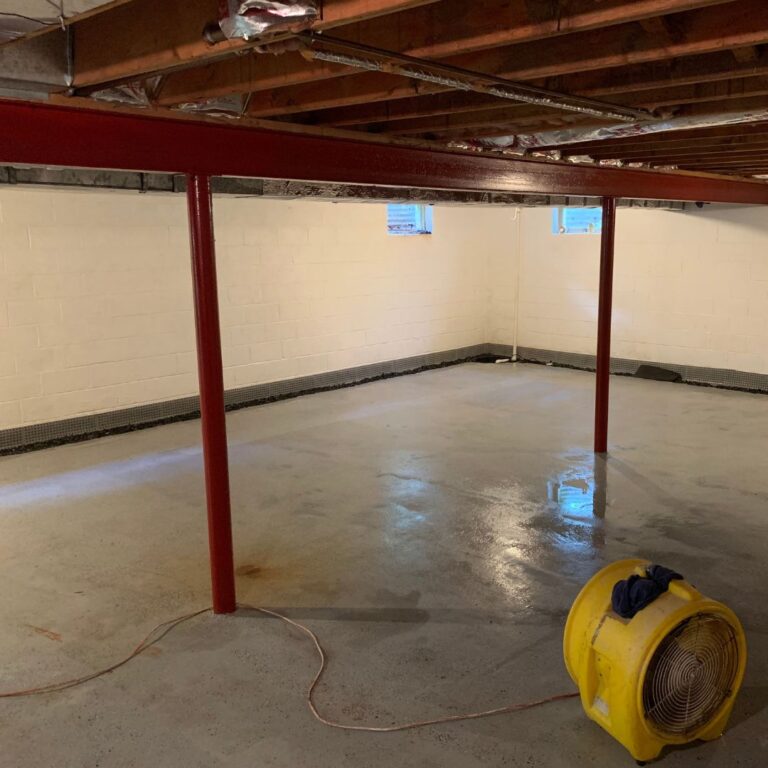
Beneath the scenic beauty and historic charm of Bucks County lies a hidden challenge for homeowners: the unique soil conditions that can threaten the health of your basement. The diverse composition of the region’s soil, from clay to silt and sandy loam, plays a crucial role in how water interacts with your home’s foundation. Without proper precautions, these natural factors can lead to water intrusion and costly damage. Understanding these conditions is the first step toward protecting your home. Let’s explore Bucks County soil conditions that make basement waterproofing essential and how tailored solutions can keep your home dry and safe.
How Bucks County’s Soil Conditions Impact Basement Waterproofing Needs
Bucks County, Pennsylvania, is known for its charming towns like Doylestown, Newtown, and Bensalem, rich history, and scenic landscapes. Yet, beneath the picturesque surface lies a challenge many homeowners may not consider: the soil beneath their homes. Bucks County soil conditions play a critical role in determining how water interacts with home foundations, making basement waterproofing in Bucks County not just beneficial but essential.
From clay-rich soils that expand and contract to silt that holds water like a sponge, understanding how the ground affects your home’s foundation can mean the difference between a dry, protected basement and a waterlogged nightmare.
Bucks County’s Common Soil Types and Their Challenges
The soil in Bucks County is diverse, often a mix of clay, silt, and sandy loam. Each soil type presents unique challenges when it comes to basement waterproofing:
- Clay-Rich Soils: Known for their ability to expand when wet and contract when dry, clay soils create pressure on basement walls, potentially leading to cracks and water intrusion.
- Silt: This soil type holds moisture, creating a high-risk environment for pooling water around your home.
- Sandy Loam: While sandy soils drain quickly, they can also direct water toward your foundation without proper management.
How Clay-Rich Soil Contributes to Water Intrusion
Homes in Newtown, Doylestown, and surrounding areas often sit on clay-heavy soil. When it rains, clay absorbs water and swells, exerting pressure on basement walls. This phenomenon, known as hydrostatic pressure, can cause cracks in the foundation, making it easier for water to seep into your basement. During dry periods, the clay contracts, creating voids around the foundation that allow water to enter during the next rainfall.
For example, a homeowner in Doylestown faced recurring basement leaks due to clay expansion, which led to visible wall cracks. Bucks County basement waterproofing professionals recommended installing an exterior drainage system to relieve pressure, and it successfully protected the home from further damage.
The Issue with Silt and Poor Drainage
Silt-heavy soils retain water, which can lead to poor drainage and pooling around a home’s foundation. This is a common problem in areas like Warminster and Levittown. When rainwater accumulates in silt-heavy soil, it creates a moist environment that can saturate basement walls over time, causing issues like efflorescence (a white, powdery residue) and structural damage.
In many cases, basement waterproofing in Bucks County involves strategies to improve drainage around homes built on silt-heavy soils. Installing French drains, sump pumps, and vapor barriers can help direct water away from the foundation, reducing the risk of water intrusion.
Sandy Loam and Water Flow Challenges
Sandy soil, prevalent in parts of Bensalem, allows water to drain quickly. While this may seem beneficial, it can lead to unique challenges for homeowners. Fast-draining soil can direct water toward a home’s foundation, overwhelming existing drainage systems. Without proper basement waterproofing solutions, this can result in water pooling around the foundation and seeping through weak points.
Homeowners in Bensalem have successfully mitigated these issues by working with professionals to install perimeter drainage systems and waterproof coatings, protecting their basements from unexpected water flow challenges.
Hydrostatic Pressure: The Silent Force Damaging Your Foundation
Hydrostatic pressure is the force exerted by standing water on your home’s foundation. This pressure can cause cracks and leaks, leading to basement flooding. Bucks County homeowners, particularly those living in low-lying areas, often experience significant hydrostatic pressure due to a high water table and heavy rainfall.
In one instance, a Newtown homeowner experienced severe basement flooding after a particularly heavy rainstorm. The water buildup around the home created intense pressure that cracked the basement walls, allowing water to flow in. With professional basement waterproofing services, including a combination of exterior drainage and interior sealants, the issue was resolved.
How Soil Conditions Affect the Effectiveness of Waterproofing Solutions
Not all basement waterproofing solutions are created equal. The effectiveness of a waterproofing strategy often depends on the specific soil conditions around a home. For example:
- Clay soils require solutions that relieve pressure, such as exterior drainage systems.
- Silt-heavy soils benefit from improved grading and moisture barriers.
- Sandy soils need careful management of water flow to prevent accumulation around the foundation.
Understanding soil conditions is crucial to creating a lasting solution for Bucks County basement waterproofing.
Pressman Home Services’ Approach to Soil-Specific Waterproofing
At Pressman Home Services, we recognize that effective basement waterproofing starts with a thorough understanding of soil composition. Our team conducts detailed soil analysis before recommending customized solutions. Whether it’s installing sump pumps, French drains, or exterior coatings, our goal is to provide tailored solutions that address the unique challenges posed by Bucks County’s diverse soil types.
For example, a homeowner in Doylestown with clay-rich soil benefited from a combination of an exterior waterproofing membrane and a French drain system. This approach relieved hydrostatic pressure and redirected water away from the home, keeping the basement dry even during heavy rainfall.
Proactive Steps Homeowners Can Take
While professional basement waterproofing in Bucks County is essential, homeowners can also take proactive steps to protect their homes:
- Improve Grading Around Your Home: Ensure the ground slopes away from the foundation to prevent water from pooling.
- Install Gutters and Downspouts: Properly functioning gutters direct water away from your home, reducing the risk of soil saturation.
- Use Dehumidifiers: Keeping your basement’s humidity under control can prevent mold and mildew growth.
- Regular Inspections: Schedule routine inspections with professionals to identify and address potential water issues early.
By understanding Bucks County soil conditions, homeowners can take control of their basement’s health and safety.
Bucks County’s diverse soil composition presents unique challenges when it comes to basement waterproofing. From clay-rich soils that exert pressure on foundations to silt that traps moisture, each soil type requires tailored solutions to keep basements dry and safe. At Pressman Home Services, we’re proud to offer expert-driven, soil-specific waterproofing solutions that protect homes in Doylestown, Newtown, Bensalem, Warminster, Levittown, and beyond. Contact us today for a personalized inspection and take the first step toward a water-free basement.