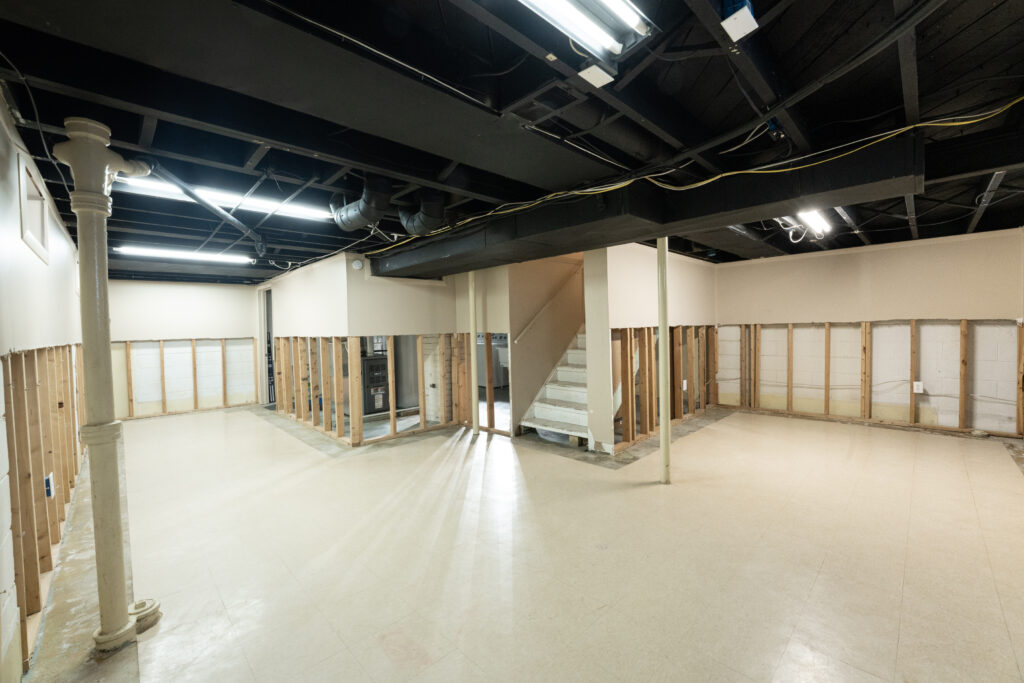
If you’re staring at your basement floor wondering whether it’s too late in the year to fix those moisture issues—good news: yes, you can waterproof a basement in the winter. In fact, for many Bucks County homeowners, waiting until spring could mean costly water damage, mold growth, or worse.
We get it—when the ground is cold and the snow starts falling, calling a waterproofing contractor might feel counterintuitive. But winter isn’t a dealbreaker. In some cases, it’s actually the perfect time to get ahead of the game.
Can You Waterproof a Basement in the Winter? Understanding the Benefits
It’s a question we hear all the time from Bucks County homeowners: “Can you waterproof a basement in the winter?” And the answer is a confident yes. Just because the temperature has dropped doesn’t mean the leaks stop—and neither should your waterproofing plans. In fact, there are some distinct advantages to taking care of these issues before the spring thaw arrives.
Winter Problems Don’t Wait for Warm Weather
Here’s the truth: water doesn’t care what season it is. If you’ve got cracks in your foundation, poor drainage, or moisture sneaking into your basement, winter doesn’t make those problems disappear—it often makes them worse. Snow and ice can build up around your foundation, and when temperatures rise, all that meltwater has to go somewhere. If your basement isn’t properly sealed or protected, it’ll head straight inside.
That’s why basement waterproofing in the winter is more than possible—it’s practical. You’re not just patching up current problems; you’re preventing spring ones.
Faster Scheduling, Faster Fixes
Winter is typically a slower season for home improvement projects. That means homeowners often have more flexibility when it comes to scheduling. With fewer people rushing to fix water damage, it’s easier to get a professional crew out quickly. That also means less time spent waiting and worrying.
Early Intervention Saves Money
Waterproofing early can help you avoid bigger repairs down the line. For example, a small crack in December could turn into a structural nightmare by April if it’s left untreated. Taking action now means fewer surprises—and fewer expenses—later on.
Let’s not forget about energy efficiency, either. Moisture in a basement can lead to humidity that makes your heating system work harder. A properly sealed basement is a warmer, drier, and more energy-efficient space all winter long.
Great for Real Estate Timing
Thinking about selling your home next year? Starting basement waterproofing in Bucks County now gives you a solid head start on pre-listing prep. A dry basement is a major selling point, and having the paperwork to prove recent professional work can put buyers at ease.
Myth Busting: It’s Not All About Exterior Work
A lot of homeowners think waterproofing is purely an outside job that can’t happen when the ground is cold or frozen. While some exterior work may be limited depending on the weather, many professional waterproofing solutions can still be done inside—no matter the temperature. (We’ll walk through those in the next section.)
Common Winter Waterproofing Solutions That Still Work
Even when the temperatures drop, there are still highly effective solutions available for basement waterproofing in the winter—especially when handled by trained professionals. While some exterior methods may be limited due to frozen ground, interior systems and targeted repairs can still be installed with excellent long-term results. And no, we’re not talking about DIY quick fixes or temporary patches from the hardware store. We’re talking about permanent, professional-grade waterproofing systems designed to protect your home for the long haul.
Here are some of the top winter-ready waterproofing methods that experts use in Bucks County homes—even when it’s cold outside.
Crack Injection Repairs
Foundation cracks are one of the most common culprits behind basement moisture—and winter is actually one of the best times to spot them. As the cold air causes materials to contract, small cracks can become more visible. This makes it easier for a pro to identify where the vulnerabilities are and treat them before they get worse.
Professionals use epoxy or polyurethane injection to fill these cracks from the inside. The materials are injected under pressure to completely seal the crack and prevent future leaks. The best part? These repairs cure well in cold weather and don’t require any exterior digging.
If you’ve been wondering, can you waterproof a basement in the winter if you have visible cracks?—the answer is a definite yes, and crack injection is a highly effective solution.
Interior Drainage Systems
Interior drainage systems are a go-to solution when exterior excavation isn’t an option due to frozen soil. These systems work by redirecting water that enters your basement to a sump pump, which then pushes it out and away from your home.
A trench is cut along the inside perimeter of the basement floor, and a drainage channel is installed, typically alongside a layer of gravel and filter fabric. A durable vapor barrier is applied over the wall to channel any seeping moisture directly into the drain system.
This method is perfect for basement waterproofing in Bucks County, where winter weather can change quickly and homes need a year-round strategy for moisture control. Plus, because the work is done inside, it can be completed even during harsh winter conditions.
Sump Pump Installation or Upgrades
A sump pump is your basement’s first line of defense against water intrusion. If you don’t have one—or if your current pump is aging or unreliable—winter is a great time to get ahead of spring melt and upgrade.
Professionals can install a new sump basin, fit a powerful pump, and even add battery backup systems to keep things running during a power outage. An upgraded system can make a huge difference, especially in older Bucks County homes where original waterproofing may no longer be up to today’s standards.
And again, this is not something to try on your own. Sump pump installation involves plumbing, electrical work, and foundation modifications—all best left to experts who do this every day, even when the temperatures drop.
Vapor Barriers & Professional Sealants
Cold weather doesn’t prevent moisture from entering your home, and in fact, condensation and humidity can build up more during the winter when your home is sealed tightly for warmth. That’s why applying professional-grade vapor barriers and sealants is still incredibly important this time of year.
Contractors can apply heavy-duty vapor barriers to basement walls and floors, sealing off moisture at the source. These aren’t the thin plastic sheets you find at the store—they’re engineered materials that can handle constant exposure and help maintain dry, healthy indoor air.
Specialty sealants are also available that bond to concrete and masonry even in cooler temperatures. These treatments form a waterproof barrier that keeps water out and reduces the risk of mold and mildew growth.
If your goal is long-term basement waterproofing in the winter, this combination of sealing and vapor control is essential—and far more reliable than any off-the-shelf paint or caulk solution.
These methods show that can you waterproof a basement in the winter isn’t just a yes—it’s a confident yes, especially when you’re working with a qualified team. Whether you’re sealing cracks, installing drainage, or reinforcing your existing systems, winter is no obstacle for seasoned waterproofing professionals. And best of all, acting now puts you in the best possible position before spring’s big melt.
Why Winter Prep Matters Before the Spring Thaw
Waterproofing your basement in winter isn’t just about fixing what’s already wrong—it’s about staying one step ahead. For Bucks County homeowners, preparing your home before the spring thaw can mean the difference between a dry basement and a costly, stressful mess when the snow and ice begin to melt.
So if you’re still asking yourself, can you waterproof a basement in the winter, think of this: spring runoff doesn’t wait for you to be ready.
When the ground starts to thaw in late February or March, all the snow and ice that’s built up around your foundation starts turning into water. That water needs somewhere to go—and if your basement isn’t sealed up tight, it’s going to find its way in. Cracks that looked harmless in December can become full-blown leaks by April. And if your sump pump hasn’t been checked or your drainage system is clogged, the rising water table can quickly overwhelm your home.
Winter is the perfect time to address these problems proactively. The lower moisture levels give professionals a better view of your foundation’s condition. They can spot early warning signs, repair cracks, and install systems that will be ready before the big melt happens. Waiting until spring often means reacting to damage that’s already begun.
And here’s another thing: when contractors are less busy in the winter, you’re more likely to get faster service. You won’t be stuck waiting behind a long line of springtime emergency calls. Pressman Home Services, for example, can often schedule a full waterproofing system install within days during winter—whereas in the spring, the wait could stretch for weeks.
When Winter Isn’t the Right Time—and What to Do Instead
While winter offers some solid opportunities for waterproofing, there are times when the season works against you. So, can you waterproof a basement in the winter in every situation? Not always—but that doesn’t mean you’re out of options. The key is knowing when it’s worth moving forward and when it’s better to wait for slightly warmer weather—with professional guidance to help you make that call.
Extreme Cold Can Limit Exterior Work
Let’s say we’re in the middle of a January deep freeze and the ground is rock solid. In that case, exterior waterproofing methods—like digging trenches to install perimeter drains or applying coatings to the outside of your foundation—are probably off the table. Frozen soil is tough to work with, and in some cases, it’s downright impossible to excavate without heavy machinery and higher costs.
Even materials like exterior sealants and membranes may not bond correctly in subfreezing temps. Contractors know this, and most won’t attempt these kinds of jobs unless weather conditions improve. That said, interior waterproofing systems (like sump pumps and drainage channels) are still very much on the table, even during a cold snap.
Frozen Ground, Frozen Risk
When the ground is frozen, surface water can’t absorb into the soil properly. Instead, it pools around your foundation—and when that water re-freezes, it expands, putting additional pressure on your basement walls. This freeze-thaw cycle is exactly why waterproofing matters so much in Bucks County, especially in older homes.
But it also presents challenges: attempting to waterproof without first understanding how the freeze-thaw cycle is affecting your structure could lead to short-term fixes that don’t last. That’s why this isn’t a decision to make on your own.
The good news? A professional will assess whether your home is a good candidate for winter waterproofing—or if it’s smarter to take initial steps now (like inspections and planning) and schedule the heavy-duty work for early spring.
Trust a Pro to Guide the Timing
This is where calling in a professional really pays off. An experienced waterproofing contractor doesn’t just sell you a service—they look at your whole situation: the condition of your basement, the forecast, the local freeze depth, the layout of your property, and even what type of soil you’re dealing with.
Maybe your basement has interior issues that can be fixed immediately, giving you better protection for the rest of the winter. Or maybe there’s structural damage that would be better handled when temperatures rise. Either way, you don’t have to guess.
At Pressman Home Services, our waterproofing team knows how to work with Bucks County homes through all four seasons. If the weather won’t allow the full solution right now, we’ll help you stabilize the problem and schedule a permanent fix as soon as conditions allow. And that way, you won’t be scrambling when the first big thaw hits in March or April.
So even if the answer to can you waterproof a basement in the winter is “not right now,” you’re still taking smart steps toward protecting your home. And that’s what matters most.
When to Call a Professional Waterproofing Contractor
Here’s the bottom line: when it comes to protecting your basement from water damage, this isn’t a DIY job—and it’s not something to leave up to chance. If you’re asking, can you waterproof a basement in the winter, the safest way to find out for sure is to talk to someone who does this kind of work every day. That’s where we come in.
At Pressman Home Services, we’ve been helping homeowners across Bucks County, Montgomery County, Philadelphia, and even parts of New Jersey for years. We understand how unpredictable Pennsylvania winters can be—and how fast they turn into rainy springs. That’s why we tailor our waterproofing solutions to your home, your timing, and the weather patterns we know like the back of our hand.
Because we’re a local basement waterproofing company, we’re not just reading the forecast—we’re living it, right alongside you. That matters. We know the clay-heavy soils in Montgomery County, the older basements in Bucks, and the freeze-thaw challenges Philly rowhomes face every single winter. We’re not guessing—we’re using real-world experience to keep your home safe.
Call Pressman Home Services Today
If your basement’s showing signs of trouble—or you just want peace of mind before the snow melts—call Pressman Home Services today. We’ll help you figure out whether basement waterproofing in the winter is the right move for your home, and we’ll guide you every step of the way.