If you’ve noticed damp patches on your basement walls, a faint musty smell after rain, or white chalky deposits creeping across the concrete, you’re probably wondering whether a basement wall sealant can fix the problem — or whether you need something more serious. It’s one of the most common questions our team hears at Pressman Home Services, and the honest answer is: it depends. Does sealing a basement wall really work? Yes — but only under the right conditions. In this guide, we’ll walk you through exactly when sealant is an effective solution, when it falls short, and how to tell the difference so you can make the right call for your home.
What Is Basement Wall Sealant?
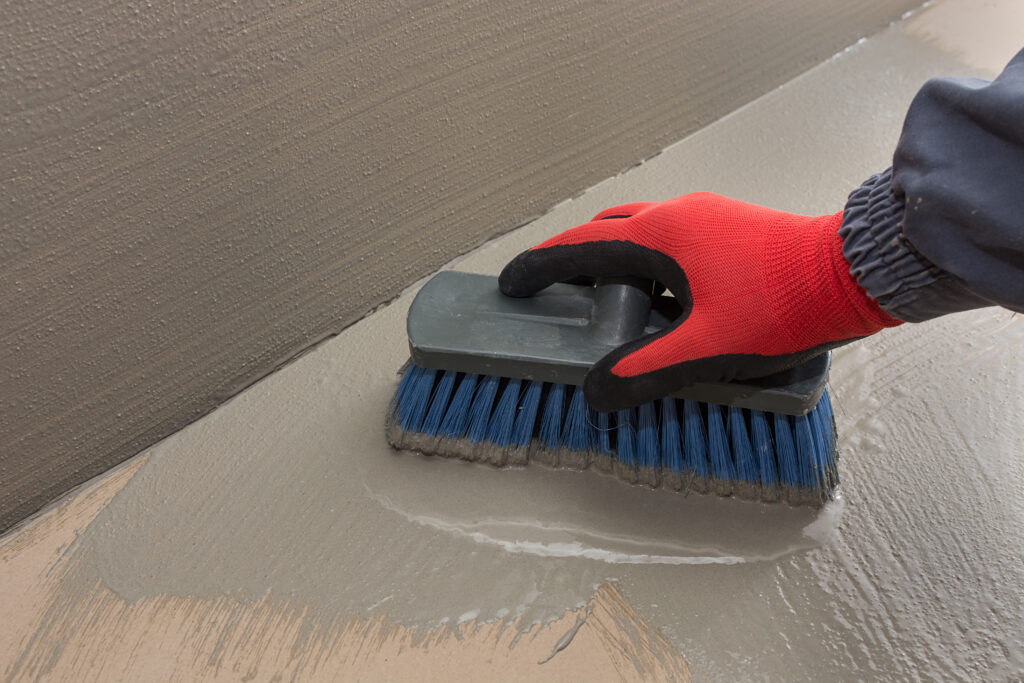
Basement wall sealant is a protective coating applied directly to the interior surface of basement walls — typically concrete, cinder block, or masonry. It works by creating a water-resistant barrier that slows or stops moisture from passing through the wall surface. You’ll find it sold under various names at hardware stores: waterproofing paint, masonry sealer, or concrete sealer. The product category is the same, but the formulas vary.
Most basement wall sealants fall into one of three types. Epoxy-based sealants are highly durable and bond well to poured concrete, making them a solid choice for sealing minor surface cracks. Crystalline or elastomeric sealants penetrate deeper into the concrete and react chemically to form a moisture-resistant barrier from within the wall — not just on top of it. And hydraulic cement, while not a sealant in the traditional sense, is commonly used as a first step to plug active cracks or gaps before a basement waterproofing sealant is applied over the top. Each has its place, and choosing the right one starts with understanding what’s actually causing the moisture in your basement.
Does Sealing a Basement Wall Really Work?
The short answer is yes — but with an important caveat. Basement wall sealant is not a one-size-fits-all solution, and its effectiveness depends entirely on what’s causing the moisture in the first place. When applied in the right situation, a quality basement waterproofing sealant can protect your walls, extend the life of your foundation, and keep your basement dry for years. When applied in the wrong situation, it’s little more than a temporary fix that masks a deeper problem. Here’s when sealing actually works.
When Moisture Is Condensation, Not Infiltration
Not all basement moisture comes from outside. In the warmer months, humid air from upstairs or outdoors enters the basement and hits the cool concrete walls — and that temperature difference causes condensation. If your walls feel damp primarily in summer but dry out in cooler weather, condensation is likely the culprit. In this case, a basement wall sealant can meaningfully reduce surface moisture by limiting the amount of vapor that passes through the wall. It won’t replace proper ventilation or a dehumidifier, but as part of a broader moisture management approach, it works well.
When There Are Hairline Cracks With Minimal Water Intrusion
Concrete is a durable material, but it’s not immune to shrinkage and settling over time — especially in older homes across Bucks County and Montgomery County, where housing stock often dates back decades. Small, stable hairline cracks that show minor seepage after heavy rain are a good candidate for sealant treatment. An epoxy-based or crystalline basement waterproofing sealant can fill and bridge these cracks, preventing moisture from working its way through and stopping minor problems before they become major ones. The key word here is stable — if a crack is growing or shows signs of displacement, sealant alone won’t cut it.
When It’s Used as Part of a Broader Waterproofing System
This is where basement wall sealant truly shines. When our team at Pressman Home Services has already addressed the root cause of water intrusion — corrected drainage, installed a sump pump, repaired structural cracks — a quality sealant applied over properly prepared walls adds a meaningful final layer of protection. Think of it as the last line of defense in a well-built system, not the system itself. Used this way, basement waterproofing sealant is a smart, durable investment that complements everything else working to keep your basement dry.
When Sealing Alone Is Not Enough
As effective as basement wall sealant can be in the right circumstances, it has real limits — and understanding those limits can save you from spending money on a fix that won’t last. The most important thing to recognize is that sealant is a surface treatment. It sits on top of the wall, or just beneath it, and it can only do so much when water is entering your basement under pressure or through structural failure. Here’s when sealing alone won’t solve the problem.
Hydrostatic Pressure
This is the most common reason basement wall sealant fails. When water saturates the soil around your foundation — something that happens regularly in Bucks County after heavy rain or snowmelt, thanks in part to the area’s clay-heavy soil that drains slowly — it builds up pressure against your foundation walls. That pressure, known as hydrostatic pressure, pushes moisture through concrete whether it’s sealed or not. No topical coating can withstand sustained hydrostatic pressure over time. The sealant may hold for a season, but eventually it bubbles, peels, and fails — and the water keeps coming. A proper interior drainage system and sump pump are what’s needed here, not a coat of sealant.
Active Leaks or Large Cracks
If water is visibly entering your basement through a crack, gap, or joint — especially after rainfall — you’re dealing with active infiltration, not surface moisture. Applying a basement waterproofing sealant over an active leak is like putting a bandage over a wound that needs stitches. It won’t hold, and the underlying problem will continue to worsen beneath the surface. Large cracks — particularly those wider than a hairline, or cracks that show staining, efflorescence, or displacement — need to be properly repaired first. Our team uses crack injection and hydraulic cement to address the source before any sealant is ever applied.
Foundation Wall Failures
Bowing, bulging, or horizontally cracked basement walls are structural warning signs that go well beyond what any sealant can address. These issues indicate that the soil pressure outside is overwhelming the wall’s ability to hold its position — a problem that worsens over time if left untreated. Applying sealant over a compromised wall doesn’t just fail to fix the problem — it can actually make things worse by concealing the damage and delaying the structural repair that’s genuinely needed. If you notice your walls are no longer plumb or straight, that’s a call to make immediately, not a project to patch with a DIY product.
Poor Exterior Drainage
Sometimes the problem starts well before water ever reaches your foundation wall. If your yard slopes toward your home, your gutters are dumping water against the foundation, or your downspout extensions are too short, you may be directing hundreds of gallons of water straight toward your basement after every storm. No interior basement waterproofing sealant — no matter how good the product — can compensate for that volume of water being driven against your foundation from outside. Grading corrections, downspout extensions, and proper gutter maintenance are exterior fixes that work alongside basement waterproofing services, not something a sealant can replace on its own.
Sealant vs. Waterproofing — What’s the Difference?
These two terms get used interchangeably all the time, but they describe very different things — and confusing them is one of the main reasons homeowners end up with a solution that doesn’t match their problem.
Basement wall sealant is a topical product. It’s applied to the surface of your basement walls to create a moisture-resistant barrier that slows vapor transmission, manages minor condensation, and seals hairline cracks. It’s relatively affordable, widely available, and in the right situation, genuinely effective. But it addresses moisture at the wall — not at the source.
Basement waterproofing is a system. It typically involves a combination of interior drainage channels installed along the perimeter of your basement floor, a properly sized sump pump to move collected water out of the home, exterior grading corrections to redirect surface water away from the foundation, and crack injection or wall stabilization where structural issues are present. At Pressman Home Services, our basement waterproofing services are designed to address water at every point in its path — from the soil outside your foundation to the drain tile beneath your floor — so that water never gets the chance to build up against your walls in the first place.
The distinction matters because choosing the wrong solution doesn’t just waste money — it can delay the repair your basement actually needs and allow water damage, mold, and structural deterioration to quietly worsen in the meantime. If you’re not sure which one your situation calls for, that’s exactly what a professional assessment is for.
Frequently Asked Questions
How Long Does Basement Wall Sealant Last?
The lifespan of a basement wall sealant depends on the product type, the condition of the wall it’s applied to, and how well the underlying moisture issue was addressed before application. In ideal conditions — stable walls, minor condensation, properly prepared surface — a quality sealant can last anywhere from 5 to 10 years. However, if hydrostatic pressure is present or the root cause of moisture wasn’t resolved first, sealant can begin to fail in as little as one to two seasons. That’s why surface preparation and accurate diagnosis matter just as much as the product itself.
Can I Apply Basement Sealant Myself or Do I Need a Professional?
For minor condensation issues or very small hairline cracks on otherwise sound walls, a DIY application of basement wall sealant is a reasonable first step — provided the surface is properly cleaned, etched, and dried before application. Most product manufacturers have detailed instructions, and a careful homeowner can follow them. That said, if you’re not certain what’s causing the moisture, it’s worth having a professional take a look before you invest time and money in a product that may not be suited to your situation. At Pressman Home Services, we offer free estimates, so there’s no cost to getting an expert opinion before you decide.
Does Sealing a Basement Wall Work for All Types of Foundations?
This is a question we hear often, and the honest answer is no — not equally. Poured concrete walls are generally the best candidates for basement waterproofing sealant, as the surface is smooth and consistent. Cinder block or concrete masonry unit walls are more porous and have mortar joints that can be harder to seal effectively. Stone foundations, which are common in older homes throughout Bucks County and surrounding areas, present even greater challenges — the irregular surface and multiple joint lines make full sealing very difficult without a more comprehensive approach. The foundation type is always one of the first things our team evaluates during an assessment.
What’s the First Step if My Basement Is Already Leaking?
Don’t reach for the sealant just yet. If water is actively entering your basement, the first step is to identify where it’s coming from and why. Is it seeping through a crack, coming up through the floor, or entering around a window well? Is it happening during rain, or is it a slower, persistent issue? The source and pattern of the leak determine the right solution. Document what you’re seeing — take photos, note when it happens, and mark where on the wall the moisture appears. Then reach out to a professional. Our team at Pressman Home Services will assess the full picture and recommend basement waterproofing services that actually match what your basement needs — not just the quickest fix.
Protect Your Basement the Right Way — Call Pressman Home Services
When it comes to your basement, the right solution starts with an honest assessment — not a product off a hardware store shelf. Does sealing a basement wall really work? It can, and in the right situations it works well. But knowing whether your basement needs a simple sealant application, a full set of basement waterproofing services, or something in between takes experience, a trained eye, and familiarity with the kinds of homes and soil conditions we deal with every day across Bucks County, Montgomery County, and the surrounding areas of Pennsylvania and New Jersey.
At Pressman Home Services, we’re a family-run, owner-operated company. Master Plumber Ross Pressman and our team are on every job from start to finish — no subcontractors, no handoffs, no shortcuts. Whether the issue is minor condensation on a well-built wall or persistent seepage driven by hydrostatic pressure against a clay-heavy Bucks County foundation, we’ll tell you exactly what’s going on and exactly what it takes to fix it properly. We don’t upsell. We don’t patch problems that need real solutions. We do the job right the first time, because that’s what your home deserves.
If you’ve noticed moisture, staining, musty odors, or any of the warning signs covered in this article, don’t wait for the problem to get worse. Reach out to our team, and we’ll schedule a free estimate at your home. We’ll assess your basement, walk you through our findings, and give you a clear, honest recommendation — no pressure, no guesswork.
Your basement is part of your foundation. Let’s make sure it’s protected.