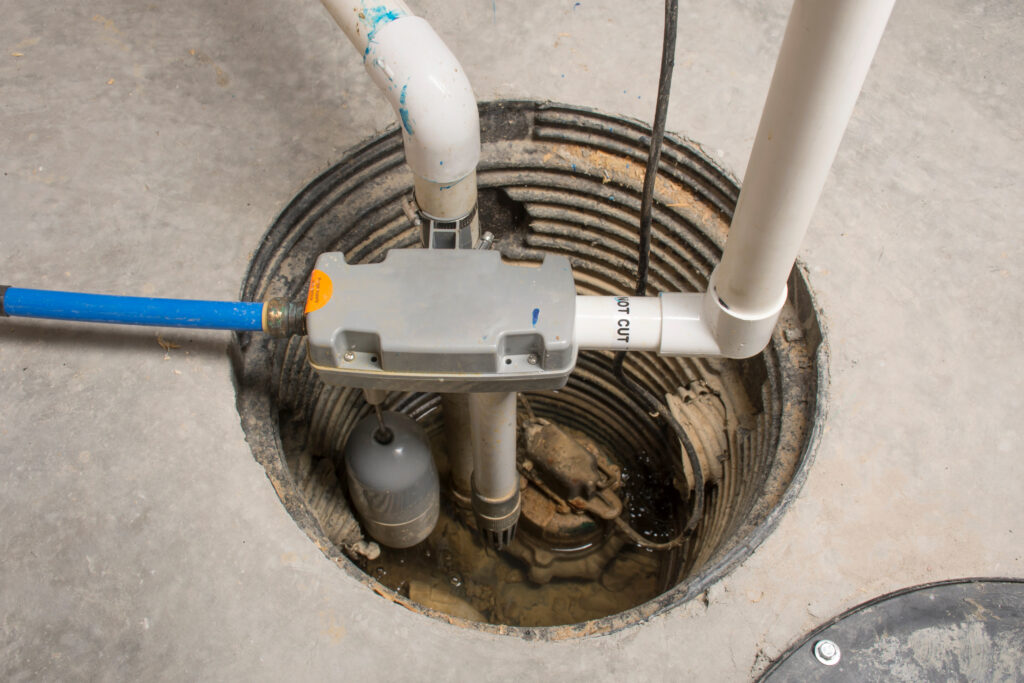
A sump pump is a crucial component in safeguarding your home from flooding and water damage, particularly during heavy rain or in areas with high water tables. Knowing how to check if sump pump is working can save you from unexpected disasters and costly repairs. Routine checks and maintenance ensure your pump is ready when needed.
In this guide, we’ll explain how to check if sump pump is working, troubleshoot common problems, and maintain your system for optimal performance.
How to Check if Sump Pump Is Working
If you’ve ever wondered how to check if sump pump is working, the process is simple but vital. Regular testing ensures your pump will function during emergencies. Here’s how to do it:Inspect the Power Supply
Ensure your sump pump is plugged into a working outlet. Check the circuit breaker to confirm there’s no power disruption. Many pump failures happen simply because the unit isn’t receiving power.Pour Water into the Sump Pit
To simulate rising water levels, pour a bucket of water into the sump pit. If your pump is working properly, it should activate once the float switch rises. If it doesn’t turn on, this indicates an issue that needs further investigation.Examine the Discharge Pipe
Ensure the discharge pipe is free of blockages and directing water away from your home’s foundation. If water isn’t flowing properly, there may be an obstruction in the line.Listen for Strange Noises
During operation, the pump should run smoothly and quietly. Grinding or rattling noises might indicate mechanical issues or debris inside the pump. By performing these checks, you’ll know how to check if sump pump is working and avoid unexpected flooding in your home.Why Is My Sump Pump Not Kicking On?
If your sump pump doesn’t activate when needed, there could be several reasons:- Power Failure: Ensure the pump is connected to a reliable power source and that there hasn’t been a circuit breaker trip.
- Clogged Float Switch: Debris in the sump pit can cause the float switch to stick, preventing the pump from activating.
- Obstructed Intake or Discharge Lines: Blockages can stop water from entering or exiting the pump properly.
- Burned-Out Motor: If the pump motor has failed, it won’t activate even if the float switch works.
How to Test Sump Pump Battery
For homes with a battery backup sump pump, regular testing ensures reliable operation during power outages. Here’s how to test it:Visual Inspection
Check the battery for any signs of corrosion, bulging, or leakage.Measure Voltage
Use a multimeter to check the battery’s voltage. A healthy sump pump battery should measure between 12 and 14 volts.Simulate a Power Outage
Unplug the main pump and allow the backup system to take over. The pump should activate and operate as it would during a real outage.Test the Alarm
Most battery systems include an alarm that sounds when the battery is low or malfunctioning. Make sure it’s functional. Regular battery testing is as essential as knowing how to check if sump pump is working since your backup system is your safety net during emergencies.How Do You Troubleshoot a Sump Pump?
Troubleshooting your sump pump can help identify and resolve issues before they become significant problems:- Power Check: Ensure the pump is plugged in and receiving power.
- Float Switch: Confirm the float switch moves freely and isn’t obstructed by debris.
- Clear the Impeller: Remove the pump from the pit and check the impeller for debris or damage.
- Inspect the Discharge Line: Look for clogs or obstructions in the pipe.
Sump Pump Maintenance in Bucks County
Homeowners in Bucks County should prioritize regular sump pump maintenance due to the region’s weather patterns and water table levels. Maintenance tasks include:- Cleaning the Pit: Remove sediment and debris that could clog your pump.
- Testing the System: Knowing how to check if sump pump is working ensures you’re prepared for emergencies.
- Inspecting Backup Systems: Ensure battery backups or generators are functional.