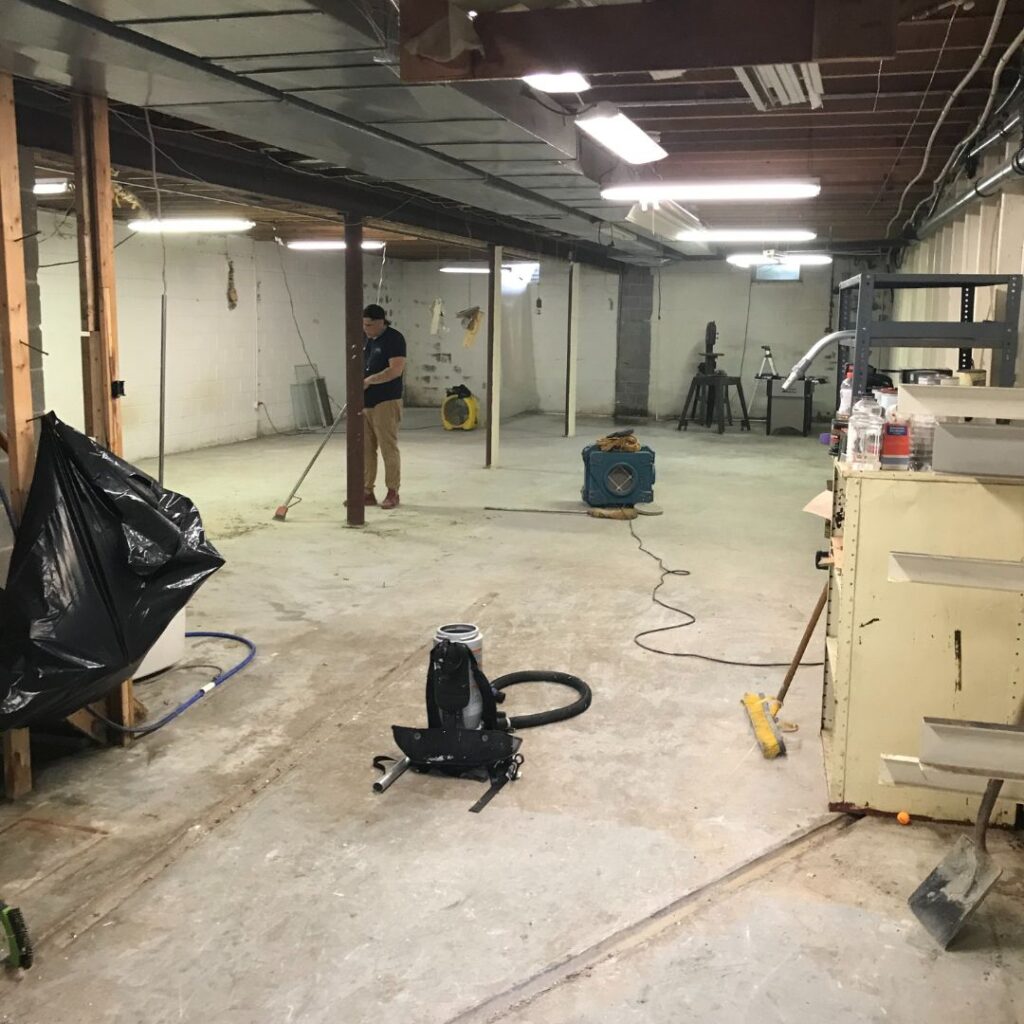
If you’ve ever noticed a damp, musty odor in your basement, you’re not alone. Basements are notorious for moisture-related issues, even when no standing water is visible. These concerns can range from hidden leaks to high humidity, all of which can lead to unpleasant smells and even structural damage over time.
In this blog, we’ll dive into the most common basement moisture issues, their causes, and how to tackle them effectively. Whether you’re dealing with white powdery residue on your walls, constantly running sump pumps, or health risks from a damp basement, we’ve got the answers. Explore the frequently asked questions below and discover how Pressman Home Services can help keep your basement dry, safe, and odor-free.
Why Does My Basement Smell Damp? Answers to Your Top Questions About Basement Moisture
A damp smell in your basement is often caused by excess moisture in the air, even when there’s no visible water. This moisture can result from high humidity levels or hidden leaks that are not immediately obvious. Porous materials like concrete, wood, and drywall are notorious for absorbing moisture over time, which creates the musty odor many homeowners recognize. In these damp environments, mold spores and mildew thrive, contributing to both the smell and potential health risks.
But a damp smell isn’t the only issue basement owners face. Below, we’ll explore other common moisture-related concerns, from condensation and efflorescence to the effects of hydrostatic pressure on your foundation. Let’s dive into these frequently asked questions and provide the answers you need to protect your basement and home.
“Why Are My Basement Walls Moist to the Touch?”
Moist walls in a basement are often caused by water vapor transmission. This happens when moisture from the surrounding soil passes through the porous concrete walls due to hydrostatic pressure. The moisture can also condense on cool basement walls during humid weather, creating dampness without visible water. Sealing the walls with a waterproof coating, using vapor barriers, and improving drainage around the home’s exterior can reduce moisture transfer and keep your basement dry.
“What is Hydrostatic Pressure and How Does It Affect My Basement?”
Hydrostatic pressure refers to the force exerted by standing water in the soil surrounding your home’s foundation. This pressure can push water through small cracks or gaps in basement walls and floors. If left unchecked, it can lead to structural damage, including bowed walls or even foundation shifts. Proper basement waterproofing solutions—like installing French drains, exterior drainage systems, and sump pumps—can relieve hydrostatic pressure and prevent water intrusion.
“How Does Soil Composition Around My Home Affect Basement Waterproofing?”
The type of soil around your home plays a significant role in water retention and drainage. Clay-heavy soil expands and contracts with moisture, creating pressure on basement walls, while sandy soil may drain too quickly, directing water toward the foundation. Understanding soil composition helps determine the best waterproofing methods, such as improving exterior drainage for clay soil or redirecting water flow with trench drains.
“Why Do My Basement Walls Have a White Powdery Residue?”
This white powdery substance is called efflorescence, caused by water passing through concrete or brick walls and bringing dissolved salts to the surface. While efflorescence is not harmful itself, it indicates that moisture is seeping through the walls. Effective basement waterproofing can stop water intrusion and prevent this buildup.
“Why is My Sump Pump Constantly Running (Even During Dry Weather)?”
A sump pump that runs continuously may indicate a high water table, issues with groundwater infiltration, or problems with the float switch. It could also be a sign that your drainage system is overwhelmed, even in dry conditions, due to improper grading or excess moisture in the soil. Ensuring proper drainage around your home and addressing the source of water accumulation can reduce wear and tear on your sump pump.
“Is Waterproof Paint Enough to Keep My Basement Dry?”
Waterproof paint may provide a temporary barrier against moisture, but it is not a long-term solution for significant water intrusion issues. If the underlying causes, such as cracks, hydrostatic pressure, or poor drainage, are not addressed, water can still enter through weak spots. Comprehensive basement waterproofing measures—including exterior solutions, sump pumps, and interior drainage systems—are more effective at keeping basements dry.
“What Are the Health Risks of a Damp Basement?”
A damp basement can lead to mold and mildew growth, which releases spores that may cause respiratory issues, allergies, and other health problems. Prolonged exposure can exacerbate asthma and other chronic conditions. Additionally, damp environments attract pests, creating further health and hygiene concerns. Proper basement waterproofing reduces moisture levels, preventing these health risks.
“Why is Water Leaking at the Base of My Basement Wall?”
Water pooling at the base of a basement wall typically results from poor exterior drainage, hydrostatic pressure, or gaps in the joint where the floor meets the wall (known as cove joints). Sealing the cove joint and improving exterior drainage can mitigate this issue, while interior drainage systems can also help relieve pressure.
“Why Do I Have Condensation on My Basement Windows and Walls?”
Condensation occurs when warm, moist air comes into contact with cool surfaces like basement windows or walls. This is a common issue in humid climates or during temperature changes. Using dehumidifiers, improving insulation, and ensuring your basement is properly sealed can reduce condensation.
“How Can a Damp Basement Affect My Home’s Resale Value?”
A damp basement can negatively impact your home’s resale value by signaling water issues and potential mold problems to prospective buyers. Proper basement waterproofing increases your home’s marketability by ensuring a dry, healthy environment, which appeals to buyers seeking peace of mind.
A damp-smelling basement is a common issue many homeowners face, and it’s often the result of excess moisture caused by factors like humidity, hidden leaks, or poor drainage. While addressing these issues with solutions such as dehumidifiers and improved ventilation can help, it’s essential to consider more comprehensive waterproofing measures for long-term protection. Whether it’s fixing cracks, managing hydrostatic pressure, or improving drainage around your home, ensuring your basement remains dry is key to maintaining a healthy, safe environment.
If you’re wondering, “Why does my basement smell damp?” and need expert help to eliminate moisture problems, don’t hesitate to reach out to Pressman Home Services. Our team is ready to provide tailored basement waterproofing solutions that fit your home’s unique needs. Contact us today to schedule a consultation and protect your home from the damaging effects of moisture.