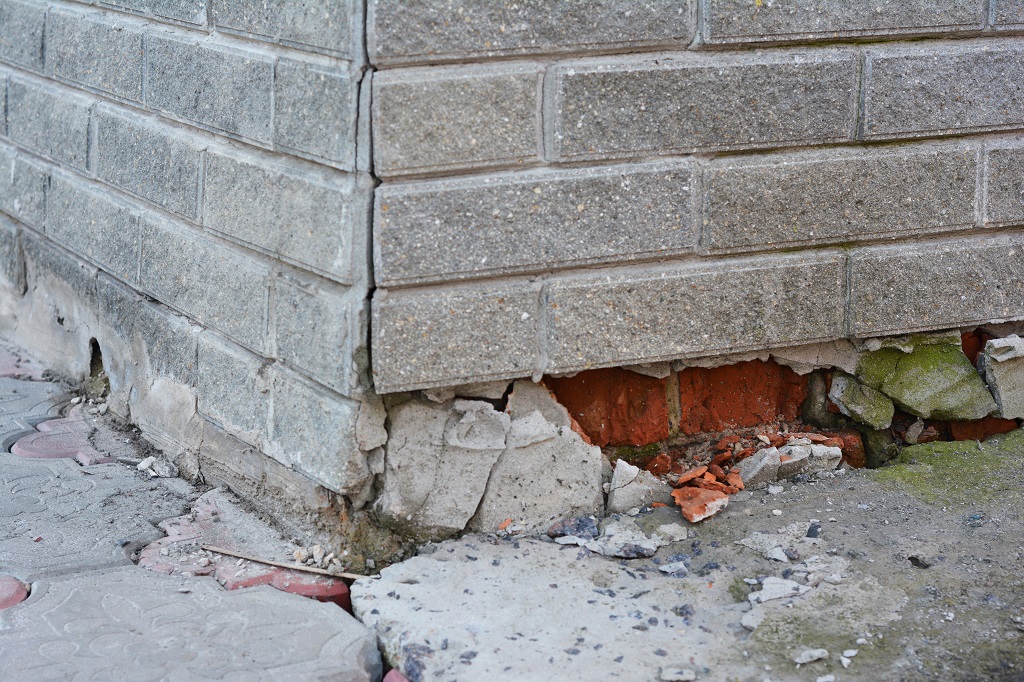
When you notice a crack in the foundation wall, it’s natural to wonder, is a crack in the foundation serious? In this comprehensive guide, we will delve into the world of foundation cracks, examining what they are, whether they should cause concern, and the steps to take if you discover one. Your home’s integrity is at stake, and understanding the nuances of foundation cracks is crucial.
What is a Crack in Foundation Wall
Understanding the nature of a crack in a foundation wall is the first step in assessing its seriousness. Foundation cracks can take various forms and may be caused by a range of factors. Here, we’ll explore the common types of foundation cracks and what they may indicate:
- Horizontal Cracks: Horizontal cracks, especially wider ones, can be a sign of significant structural issues. These cracks often result from lateral pressure on the foundation, such as from expanding soil or hydrostatic pressure from groundwater. They are closely associated with water-related problems, as water pressure can exert force on the foundation walls, leading to these cracks.
- Diagonal Cracks: Diagonal cracks can be a cause for concern, as they may indicate differential settling or structural stress. While they can result from various factors, including water-related issues like poor drainage, they should be inspected by a professional to determine the exact cause.
- Stair-Step Cracks: Stair-step cracks, especially in brick or block foundation walls, can be linked to water damage issues. These cracks can form due to the expansion and contraction of materials caused by moisture exposure, among other factors.
Now that we’ve covered the common types of foundation cracks, the next section will address the crucial question: is a Crack in the Foundation Serious? We’ll explore the signs to look for and when it’s time to take action.
Is a Crack in the Foundation Serious?
The presence of a foundation crack doesn’t automatically signify a major problem, but it does warrant attention and evaluation. To determine whether a crack in the foundation is serious, consider the following factors:
- Width of the Crack: Generally, wider cracks are of greater concern. Cracks less than 1/8 inch wide are often considered minor and may be a result of normal settling. However, cracks wider than 1/4 inch or those that continue to widen should be inspected promptly.
- Vertical vs. Horizontal Orientation: Vertical cracks are often less concerning than horizontal ones. Horizontal cracks, especially if they’re widening, can indicate structural stress and may require immediate attention.
- Location of the Crack: The location of the crack is crucial. Cracks near corners, where stress is concentrated, or those close to the middle of a wall may be more concerning.
- Interior vs. Exterior Cracks: Cracks on the interior walls may indicate settling and may not be as serious as cracks on the exterior walls. Exterior cracks can expose the foundation to moisture infiltration.
- Associated Issues: Consider other signs, such as doors or windows that no longer close properly, sagging floors, or gaps between the walls and ceilings. These symptoms may indicate more significant structural issues.
How to Fix a Crack in Foundation Wall
Addressing a crack in the foundation wall is crucial to prevent further damage and maintain the structural integrity of your home. Here are the general steps to follow when fixing a foundation crack:
- Inspection: Begin by thoroughly inspecting the crack to assess its size, location, and any associated symptoms like water infiltration or structural issues.
- Clean and Prepare: Clean the crack and the surrounding area to ensure proper adhesion of repair materials. Remove any loose debris, dirt, or old sealants.
- Seal Small Cracks: For hairline or small cracks, a simple epoxy or polyurethane injection may be sufficient. These materials effectively seal the crack and prevent water intrusion.
- Patch Larger Cracks: Wider cracks may require more extensive repairs. This may involve applying hydraulic cement, epoxy-based mortars, or even installing carbon fiber or steel reinforcements to stabilize the foundation.
- Address Water Issues: If the crack is associated with water infiltration, it’s crucial to address drainage and moisture problems to prevent further damage. This may include improving gutters, downspouts, and grading around the foundation.
- Professional Evaluation: In cases of extensive or recurring cracks, it’s essential to seek a professional evaluation from experts like Pressman Home Services. We can determine where the water damage to your foundation comes from and recommend comprehensive solutions to prevent future issues.
Don’t wait until the next heavy rainfall or structural issue arises. Your home deserves the best protection, and Pressman Home Services is here to deliver it. Reach out to us now and take the proactive step towards a secure, dry, and structurally sound home. Your peace of mind begins with a simple call or message to Pressman Home Services, your trusted partner for basement waterproofing services.