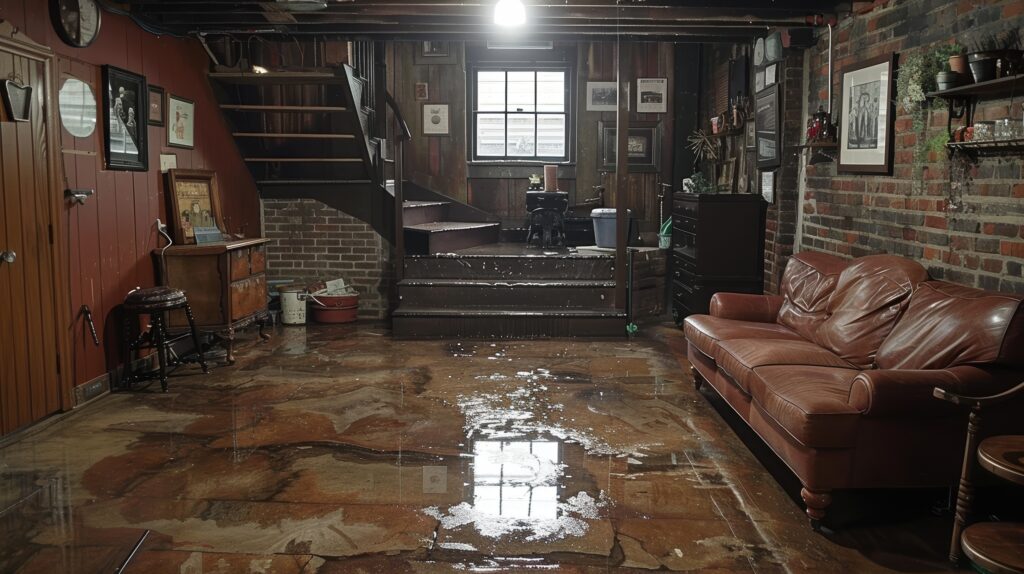
Dealing with a flooded basement is one of the most frustrating experiences for homeowners. Not only can it lead to extensive property damage, but it can also encourage mold growth and affect your family’s health. The best way to address basement flooding is to prevent it before it happens. This comprehensive guide will explain the causes of basement flooding, how to prevent flood in basement spaces, and steps to recover if water intrusion occurs.
Why Does My Basement Flood When It Rains?
When the rain starts pouring, your basement can quickly become a hotspot for water accumulation. Several factors contribute to this issue:
1. Poor Drainage Systems
Gutters and downspouts are your home’s first line of defense against rainwater. When clogged with leaves or debris, they overflow, dumping water directly near your home’s foundation. Over time, this pooled water finds its way into your basement.
Prevention Tip: Clean your gutters at least twice a year and make sure downspouts extend at least three feet from the foundation. Install gutter guards to minimize debris buildup.
2. Improper Yard Grading
If your yard slopes toward your home instead of away, rainwater naturally flows toward the foundation, pooling around the basement walls. This increases the risk of leaks and seepage.
Prevention Tip: Regrade your yard to slope away from the house. If you have landscaping, use plants or retaining walls to channel water safely away.
3. Foundation Cracks
Cracks in the foundation, even small ones, act as entry points for water. Over time, hydrostatic pressure caused by saturated soil forces water through these gaps.
Prevention Tip: Regularly inspect your basement for cracks. Use epoxy injections or hydraulic cement to seal them before they become bigger problems.
4. Sump Pump Failures
A sump pump is designed to keep your basement dry by pumping out excess water. If it fails during heavy rain—whether due to power loss or mechanical issues—your basement becomes vulnerable to flooding.
Prevention Tip: Install a battery or water-powered backup system for your sump pump. Test it regularly to ensure it’s functioning properly.
5. Clogged or Broken Drain Tiles
Drain tiles (or French drains) are underground pipes that direct water away from your home. If these clog or collapse, they stop working, and water pressure builds around your basement.
Prevention Tip: Hire a professional to inspect your drain tiles every few years and clear blockages as needed.
How to Prevent Flood in Basement
The good news is that you can take steps to keep your basement dry even during the heaviest rainstorms. Here’s how:
1. Waterproof Your Basement
- Apply a waterproof coating to the interior walls and floors.
- Install a vapor barrier to block moisture.
- Consider exterior waterproofing, such as applying a membrane to the foundation walls.
2. Install a Sump Pump and Backup System
A reliable sump pump is essential for homes in flood-prone areas. Choose a model that can handle large volumes of water, and add a backup system to ensure it operates even during power outages.
3. Extend Downspouts
Redirect rainwater away from your home with downspout extensions. These inexpensive attachments can prevent water from pooling around the foundation.
4. Check for Leaks in Plumbing
A leaking pipe or appliance can also contribute to basement flooding. Regularly inspect your plumbing system and repair any leaks promptly.
5. Install Window Well Covers
Basement windows can let in water if they are poorly sealed or if the surrounding wells fill up. A clear, durable window well cover keeps out rain while allowing light to enter.
6. Invest in Drainage Solutions
If heavy rain consistently overwhelms your property, consider advanced solutions like:
- French drains
- Curtain drains
- A dry well to collect and disperse water underground
How to Get Musty Smell Out of Basement After Flood
Even after you remove the water, a basement flood often leaves behind a musty smell caused by mold and mildew. Here’s how to banish it for good:
Step 1: Remove Excess Moisture
Use a wet/dry vacuum to extract any remaining water. Follow up with industrial fans and dehumidifiers to thoroughly dry the space.
Step 2: Clean Affected Surfaces
Scrub floors, walls, and other hard surfaces with a mixture of warm water and white vinegar, which is effective at killing mold and neutralizing odors. For severe cases, use a mold-killing cleaning product.
Step 3: Replace Damaged Materials
Water-damaged carpets, drywall, and insulation are breeding grounds for mold and must be removed. Replace these materials with mold-resistant options if possible.
Step 4: Improve Ventilation
Open windows and doors to let fresh air circulate through the basement. If ventilation is limited, use air movers or fans to enhance airflow.
Step 5: Use Odor Absorbers
Natural deodorizers like baking soda or activated charcoal can absorb lingering smells. Place them in bowls around the basement and replace them every few days.
Will a Dehumidifier Help a Flooded Basement?
The short answer is yes—but only after you’ve removed standing water. Dehumidifiers are not designed to handle large amounts of water but are excellent for drying out damp air and preventing further issues.
Benefits of a Dehumidifier After a Flood:
- Reduces humidity levels to discourage mold and mildew growth.
- Helps eliminate musty odors.
- Protects stored items like clothing, books, and furniture from moisture damage.
Pro Tip: Choose a dehumidifier with a built-in pump for continuous drainage, so you don’t need to empty the tank frequently.
Advanced Prevention Techniques
For those in flood-prone areas, consider these additional measures:
1. Install a Backflow Prevention Valve
If heavy rains cause sewage to back up into your home, a backflow prevention valve will stop it from entering your basement.
2. Upgrade to Permeable Paving
Replace concrete walkways and driveways with permeable materials that allow rainwater to soak into the ground rather than pooling near your home.
3. Consider a Basement Drain System
A professionally-installed interior drainage system can capture water at the base of your foundation and channel it to your sump pump.
FAQs About Basement Flooding
Q: How often should I clean my gutters?
At least twice a year—more frequently if your home is surrounded by trees.
Q: Can I waterproof my basement myself?
DIY waterproofing works for minor issues, but professional services are recommended for severe problems like hydrostatic pressure.
Q: Does home insurance cover basement flooding?
Standard policies may not cover water damage unless you have a specific flood insurance rider. Check with your provider to understand your coverage.
Basement flooding is a problem that requires vigilance, maintenance, and smart prevention strategies. By understanding how to prevent flood in basement spaces, you can keep your basement dry, safe, and free from water damage. Whether it’s adding a sump pump, sealing foundation cracks, or improving drainage, proactive measures will save you time, money, and stress in the long run.
Take the time to assess your basement today—because when the next big storm hits, you’ll want to be prepared.