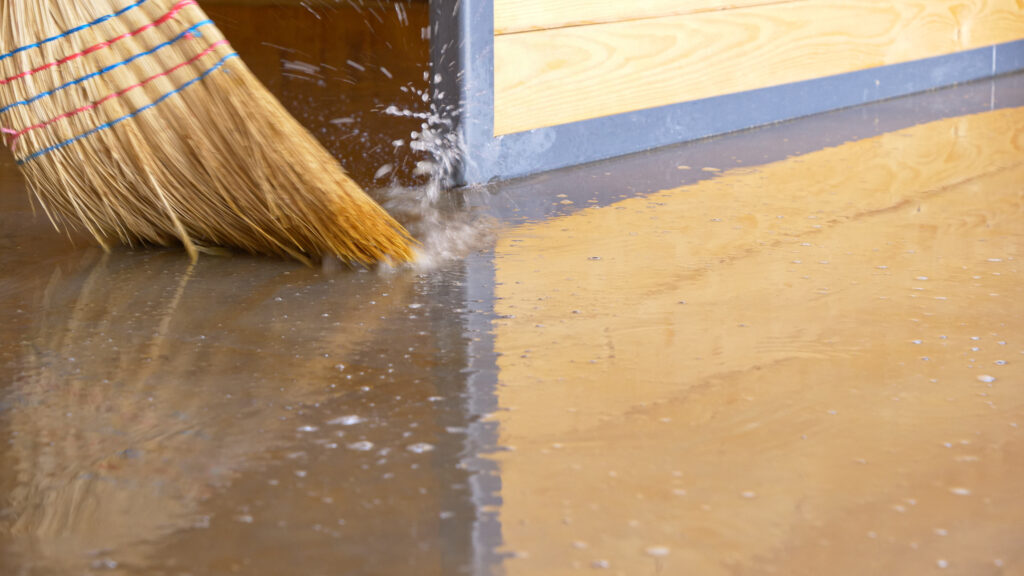
Standing water in your basement isn’t just an inconvenience—it’s a serious problem that can lead to mold, structural damage, and costly repairs. Whether it’s caused by heavy rainfall, a clogged drain, or foundation cracks, knowing how to get rid of standing water in basement quickly is crucial. In this guide, we’ll walk you through the causes, solutions, and prevention methods to keep your basement dry.
What Causes Standing Water in Basement?
Before tackling the water problem, it’s important to identify where it’s coming from. Some of the most common causes include:
1. Poor Drainage Around the Foundation
If your yard slopes toward your house instead of away from it, rainwater can pool around your foundation and seep into your basement. Clogged or improperly installed gutters can make this problem worse.
2. Cracks in the Foundation or Basement Walls
Even the smallest cracks in your basement walls or floor can let in water. Over time, expanding and contracting soil, hydrostatic pressure, and general wear can make these cracks worse, allowing more water to seep in.
3. Clogged or Malfunctioning Sump Pump
If you have a sump pump and still see water pooling, it might not be functioning properly. A clogged intake, power failure, or a broken float switch could prevent it from pumping water out effectively.
4. Sewer Backup or Drain Clogs
If your basement drain is clogged, water has nowhere to go. Tree roots, grease buildup, or debris in the sewer line can also cause water to back up into your basement.
5. Heavy Rainfall or Rising Water Table
Periods of heavy rain can overwhelm drainage systems and push water into your basement. If your home is built in a low-lying area, groundwater can rise and seep through the basement floor.
How to Get Rid of Standing Water in Basement
If you discover standing water in your basement, act fast to prevent mold and structural damage. Here’s a step-by-step approach to how to get rid of standing water in basement:
1. Ensure Safety First
- Turn off the electricity in the affected area to avoid electrical hazards.
- Wear waterproof boots and gloves before entering the water.
2. Identify the Source
- Check for visible leaks, cracks, or signs of water entry.
- Look for clogged floor drains or a malfunctioning sump pump.
3. Remove the Water
- For small amounts of water: Use towels, a mop, or a wet/dry vacuum.
- For several inches of water: A submersible pump or a sump pump can quickly remove standing water.
- For severe flooding: Consider calling a professional water removal service.
4. Dry Out the Basement
- Use fans, dehumidifiers, and open windows to circulate air and speed up drying.
- Remove wet carpets, furniture, and other absorbent materials to prevent mold growth.
5. Clean and Disinfect
- Use a bleach solution or a commercial disinfectant to clean floors, walls, and any affected surfaces.
- Throw away any contaminated or damaged items that can’t be salvaged.
How to Unclog a Basement Drain with Standing Water
If the standing water in your basement is due to a clogged drain, follow these steps to clear it:
1. Remove Surface Water First
Before attempting to unclog the drain, use a wet/dry vacuum to remove as much water as possible.
2. Check for Visible Blockages
Remove any debris, dirt, or objects covering the drain. Sometimes, leaves, hair, or other materials can create a simple blockage.
3. Use a Plunger
A heavy-duty plunger can help loosen minor clogs. Ensure you create a tight seal and apply firm pressure to break up the blockage.
4. Try a Drain Snake or Auger
A plumber’s snake can reach deep into the drainpipe and break up clogs. Feed the snake into the drain, rotate it, and pull out any debris causing the blockage.
5. Use a Drain Cleaning Solution
Pour a mixture of hot water and baking soda, followed by vinegar, into the drain to break down grease and buildup. For stubborn clogs, a commercial drain cleaner may help.
6. Call a Plumber If Necessary
If your drain is still clogged after multiple attempts, it could be due to a deeper issue, like tree root infiltration or a collapsed pipe. A professional plumber can inspect and fix the problem.
Preventing Standing Water in Your Basement
Once you’ve removed the water, take steps to ensure it doesn’t come back:
1. Improve Drainage Around Your Home
- Keep gutters clean and downspouts directed away from the foundation.
- Regrade your yard if necessary to prevent water from pooling near the house.
2. Seal Cracks and Waterproof Your Basement
- Apply a waterproof sealant to any visible cracks in walls or floors.
- Install a basement waterproofing system if water intrusion is a recurring issue.
3. Maintain Your Sump Pump
- Test your sump pump regularly to ensure it’s working properly.
- Keep the intake screen clean and clear of debris.
4. Install a Backup Pump or Battery System
- A backup sump pump or battery-powered pump can keep water out in case of power failure.
5. Schedule Regular Plumbing Inspections
- Have a plumber check your drains, sewer lines, and sump pump at least once a year to catch potential problems early.
Knowing how to get rid of standing water in basement is essential for protecting your home from water damage and mold. Whether the problem is due to a clogged drain, poor drainage, or foundation cracks, taking swift action can prevent bigger issues down the line. If standing water is a recurring problem, investing in professional waterproofing solutions can give you peace of mind and keep your basement dry year-round.