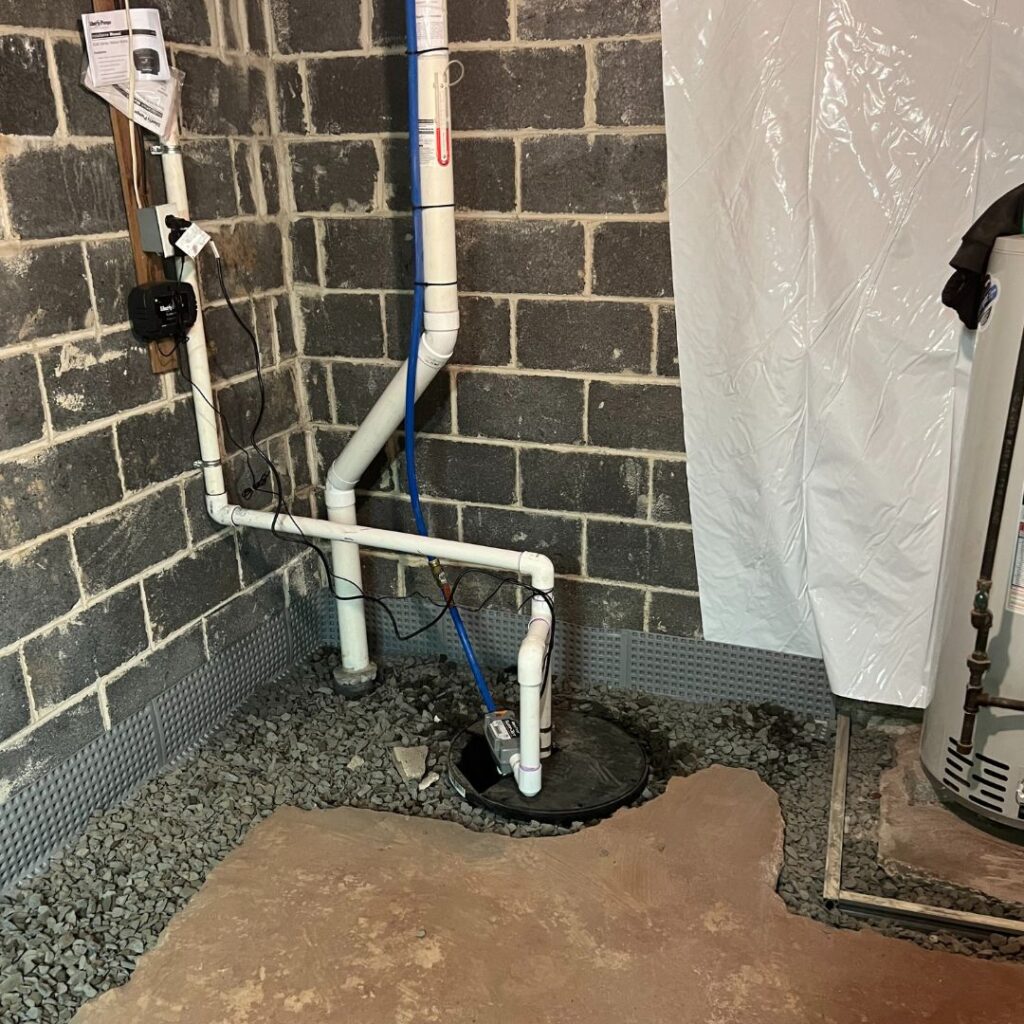
Imagine waking up to a heavy storm and knowing, without a second thought, that your basement is safe and dry. That peace of mind comes from a hardworking device most people forget about—your sump pump.
Tucked away in a corner of the basement, the sump pump quietly stands guard against flooding, water damage, and mold growth. But like any hardworking appliance, it needs a little TLC to keep doing its job right. When it fails, the consequences aren’t just inconvenient—they can be downright catastrophic.
This is where sump pump maintenance tips come into play.
Why Sump Pump Maintenance Matters
In PA, we’re no strangers to heavy, lingering rain. Between spring storms and fall downpours, even homes that feel dry can face groundwater pressure that puts a sump pump to the test.
The real danger? It only takes one failed storm cycle to leave your basement flooded. And while rain may be common, water damage should never be.
What Your Sump Pump Actually Does
Think of your sump pump as a quiet little security guard posted in the basement. It sits in a pit (called the sump basin), waiting to jump into action when water starts to rise. Once triggered, it pumps that water out and away from your home’s foundation—keeping everything dry and protected.
But if that pump is clogged, broken, or improperly installed, it won’t do its job. That’s how a few inches of rain can turn into several feet of water damage.
The Real Cost of a Wet Basement in PA
A flooded basement is more than an inconvenience—it’s expensive. In Pennsylvania, where many homes have finished basements or store HVAC systems downstairs, the damage can add up fast:
- Ruined flooring, drywall, and insulation
- Destroyed furniture and personal items
- Electrical hazards
- Mold growth within 24–48 hours
The average cleanup and repair cost from basement flooding? Often $5,000 or more. And if mold takes hold, the price tag climbs quickly.
That’s why sump pump maintenance tips aren’t just helpful—they’re financially smart.
Mold Is a Major Threat in Humid Climates
PA’s rainy weather and humid summers are the perfect recipe for mold. When water sneaks into your basement—even just a little—it creates a damp environment that mold loves. And once mold starts growing, it doesn’t stay put.
It can creep into walls, insulation, furniture, even the air your family breathes.
Sump pump maintenance is one of the best defenses you have to prevent mold before it begins. Prevention is way easier (and cheaper) than remediation.
Peace of Mind Starts with a Simple Routine
The good news? Avoiding basement floods doesn’t require complicated tools or expensive equipment. All it takes is a few minutes of attention every season—and a solid understanding of what to look for.
In the next section, we’ll share the Top 7 Sump Pump Maintenance Tips that every Pennsylvania homeowner should know. These easy-to-follow steps can help keep your basement dry, your family safe, and your home protected—rain or shine.
Top 7 Sump Pump Maintenance Tips Every Pennsylvania Homeowner Should Know
Rainstorms in Pennsylvania don’t exactly ask for permission. One minute it’s sunny—next thing you know, your street is a river and your backyard’s a bog. That’s why sump pump upkeep isn’t something you do once and forget. It’s a habit, like checking your smoke detector or changing your HVAC filter.
Here are seven sump pump maintenance tips that can save your basement—and your wallet—when the clouds roll in.
1. Test Your Sump Pump Every Season
This is the golden rule: don’t wait for a storm to find out your pump doesn’t work.
How to test it:
- Grab a bucket of water and slowly pour it into the sump basin.
- The pump should kick on once the water reaches the “float” level and start pumping it out.
- If it hesitates, buzzes but doesn’t pump, or doesn’t turn on at all—there’s a problem.
Testing once per season is ideal, but add a bonus check before any major rain event.
2. Clean the Sump Basin
Over time, the basin can collect dirt, mud, pebbles—even leaves or critters if the lid isn’t sealed. That debris clogs the pump, wears out the motor, or jams the float switch.
Quick fix: Unplug the pump, scoop out any sludge, and wipe down the walls of the pit. Keeping the area clear helps your pump last longer and run more efficiently.
3. Check the Float Switch
The float switch is what tells your sump pump, “Hey, it’s time to work.” If it gets stuck, the whole system fails.
Make sure the float:
- Moves freely up and down.
- Isn’t rubbing against the basin wall or tangled in debris.
- Isn’t waterlogged or damaged.
This is one of the simplest yet most overlooked sump pump maintenance tips—and it’s a leading cause of unexpected failure.
4. Inspect the Discharge Line
Your pump may be working perfectly, but if the water has nowhere to go, you’re in trouble.
What to check:
- Make sure the discharge pipe isn’t blocked by mulch, mud, or animal nests.
- Look for signs of cracking, freezing, or shifting.
- Verify that it’s directing water at least 10–20 feet away from your home’s foundation.
Bonus tip: Install a backflow valve to stop water from reversing direction during flash floods—a common issue in PA neighborhoods with older infrastructure.
5. Clean or Replace the Pump’s Filter or Screen
Many sump pumps have a small intake screen or filter near the base. It’s a dirt magnet. A clogged screen chokes the pump and reduces flow, causing overheating and burnout.
Take a flashlight and give it a look:
- If it’s covered in grime, scrub it with warm water and a toothbrush.
- If it’s cracked or missing, replace it right away.
This tiny part plays a big role in pump health.
6. Make Sure the Power Source Is Reliable
A sump pump without power is just a fancy paperweight.
Here’s what you can do:
- Plug the pump directly into a GFCI outlet—no extension cords.
- If your area is prone to power outages (looking at you, rural PA), invest in a battery backup system.
- Test the backup monthly and replace the battery every 2–3 years.
The best sump pump maintenance tips are all about preparation—and nothing prepares you better than having a backup ready to go.
7. Schedule a Professional Inspection
Even if you’re the DIY type, it’s smart to get a pro’s eyes on your system once a year—especially before peak rain seasons.
A qualified technician can:
- Identify worn-out components.
- Check the pump’s amperage and efficiency.
- Ensure your setup is compliant with local building codes.
This small investment now can prevent thousands in flood damage later.
Following these sump pump maintenance tips isn’t just about avoiding disasters—it’s about taking control. When the next rainstorm hits Pennsylvania (and you know it will), your pump will be ready to go. No surprises, no stress.
How to Tell If Your Sump Pump Is Failing—Before It Quits on You
In Pennsylvania, a failing sump pump doesn’t announce itself with fanfare. It gives you little signs—a strange noise here, a musty smell there. Catch those early, and you avoid disaster. Miss them, and you could be bailing out your basement with a mop and a shop vac during the next storm.
This section walks you through the warning signs that your sump pump might be on the verge of failure—and what you can do about it before the rain starts falling.
1. Strange Noises During Operation
Sump pumps aren’t silent, but they shouldn’t sound like a garage band warming up either.
Common red flags:
- Grinding or rattling: Could mean debris in the impeller or a failing motor.
- Gurgling: Often from improper discharge piping or a bad check valve.
- Buzzing with no action: The motor’s trying to run, but something’s jammed.
If your pump sounds different than usual, don’t ignore it. A little noise today could mean no protection tomorrow.
2. It’s Running All the Time
A sump pump that never shuts off isn’t doing a better job—it’s wearing itself out. And fast.
This usually means:
- The float switch is stuck or misaligned.
- The check valve is missing or broken.
- Groundwater is constantly entering due to poor drainage around the home.
In Pennsylvania, where we get those long, steady rains, an overworked sump pump can burn out in a single weekend. If your system runs constantly—even when it’s dry—it’s time for a closer look.
3. Visible Rust or Corrosion
Rust doesn’t just look bad—it can wreck your pump’s internal components and jam moving parts.
Take a flashlight and inspect:
- The float mechanism
- Discharge pipe
- Motor housing
Some discoloration is normal over time, especially in older systems. But thick rust, corrosion flakes, or water stains are signs your unit’s wearing out—and fast.
4. Vibrating or Shaking While Running
If your sump pump jiggles, bounces, or shifts position while it’s on, there’s trouble.
This often means:
- The impeller (the part that pushes water) is damaged or off-balance.
- Debris got inside and is throwing it off.
- The pump isn’t mounted securely in the basin.
Left unchecked, this kind of vibration can cause internal damage and lead to a full breakdown during the next storm.
5. Water Is Backing Up
Let’s say your pump is running, but the water level in the basin isn’t going down—or worse, your basement still floods.
This might mean:
- A clogged discharge pipe.
- A broken check valve allowing water to return.
- A pump that’s underpowered for your home’s needs.
No matter the cause, this is the ultimate red flag. A working sump pump should be moving water out efficiently. If it’s not, you’re on borrowed time.
6. It’s Over Seven Years Old
Even with perfect maintenance, sump pumps don’t last forever. Most standard models max out around 7–10 years—less if they’re running frequently.
If your pump is past the seven-year mark and showing any of the signs above, replacement should be on your radar.
Think of it like tires on your car: Sure, they might technically still work—but do you really want to find out they’re bad while you’re driving in a storm?
7. Musty Smells or Damp Air
Your nose knows. If your basement starts to smell musty, or you notice humid, clammy air, moisture is getting in somewhere. Even if there’s no standing water, that means your pump may not be keeping up—or working at all.
This is especially true in Pennsylvania’s warm, wet months, where mold can start forming in under 48 hours.
What to Do If You Spot These Signs
The moment you suspect your sump pump is struggling, act fast:
- Check the power and float switch.
- Test the pump with water to confirm it’s functioning.
- Inspect the discharge pipe outside.
- Call in a pro if something feels off.
Most importantly, don’t wait for the next downpour to “see if it works.” Because by then, it’s already too late.
Sump Pump Maintenance in Bucks County—Protect Your Home with Local Expertise
If you live in Bucks County, you know how quickly a steady rain can turn into a serious situation. From Perkasie to Doylestown, Yardley to Warrington, basements are under constant threat from rising groundwater and backed-up storm drains—especially in older homes with charming (but leaky) foundations.
That’s why sump pump maintenance isn’t just a good idea—it’s a must.
Whether your home sits near the Neshaminy Creek or on a hillside with heavy runoff, having a reliable, well-maintained sump pump is key to keeping your basement dry and your home protected year-round.
The Pressman Home Services Advantage
At Pressman Home Services, we understand the unique drainage challenges that come with living in Bucks County. Our team has been helping local homeowners protect their properties for years with proactive sump pump inspections, cleanings, repairs, and replacements.
Here’s why your neighbors choose us:
- Fast, local response when storms are in the forecast
- Thorough inspections that catch problems before they turn into floods
- Honest recommendations—we never push what you don’t need
- Top-quality replacements if your pump is outdated or underpowered
- Friendly, expert techs who treat your home like their own
Whether your pump is acting up or you just want the peace of mind that it’s storm-ready, we’ve got you covered.
Don’t Wait for the Water to Rise
Your sump pump might sit quiet most of the year—but when you need it, you really need it. If you’re not sure whether your system is working properly, let us take a look. We’ll run full diagnostics, clean the basin, check the discharge line, and make sure everything’s ready for the next big storm.
Book your sump pump maintenance service with Pressman Home Services today.