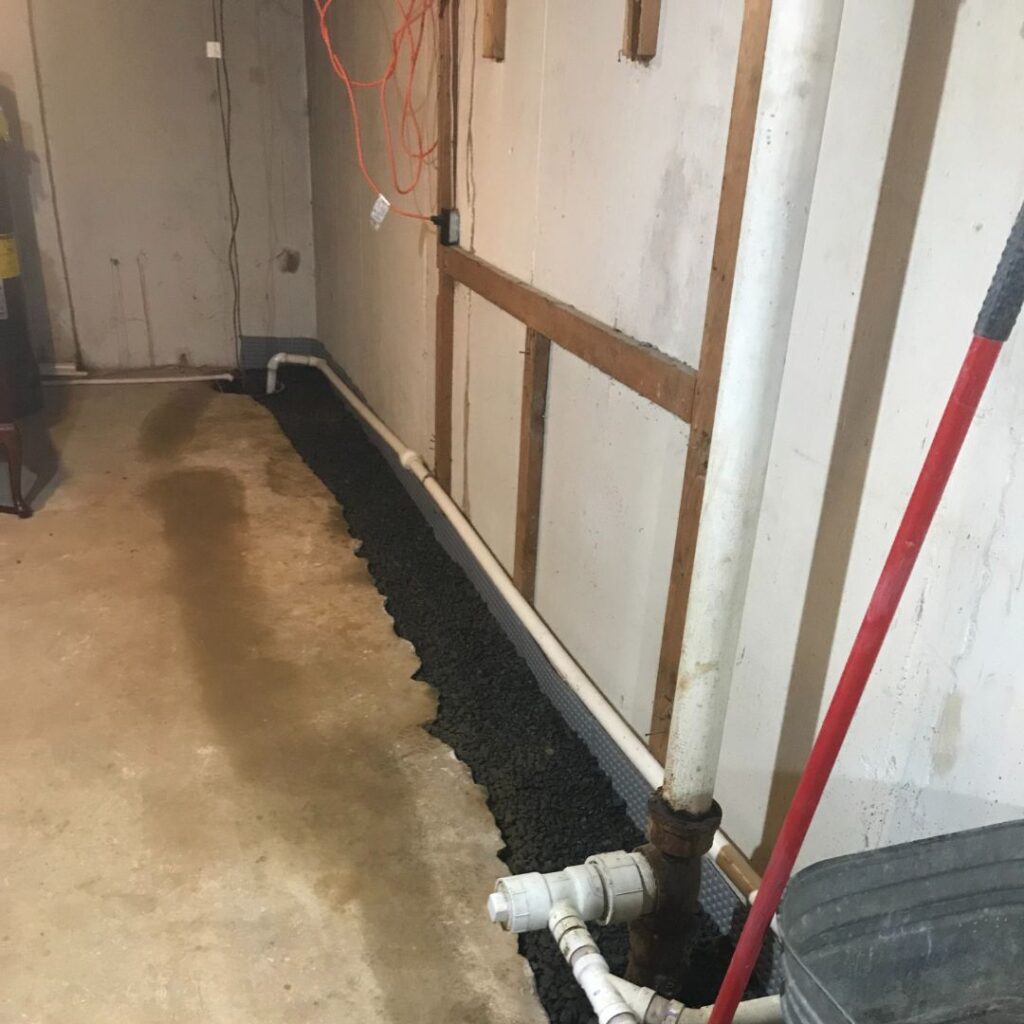
When water starts pooling around your home’s foundation, it’s not just an inconvenience—it’s a red flag. Whether you’re battling soggy landscaping or mysterious basement dampness, the right drainage solution can save you thousands in repairs. That’s where a French drain comes in.
But here’s the million-dollar question: how close—or how far—should a French drain be from your foundation?
Understanding the correct French drain distance from foundation isn’t just about digging a trench and calling it a day. It’s about smart planning, preventing future problems, and protecting your biggest investment—your home. Just like placing a fire extinguisher too far from the kitchen would be pointless, a French drain that’s too close or too far from your house won’t do the job it’s meant to do.
What Are the Rules for French Drains?
French drains are designed to guide water away from areas where it can do harm—plain and simple. But there’s a difference between slapping one in the yard and installing it so it actually works. Here are the key rules homeowners should follow:
1. Always Plan for Slope
A French drain needs gravity on its side. A minimum slope of 1%—or 1 inch per 8 feet—is needed to keep water flowing in the right direction. Think of it like a waterslide for rainwater. No slope, no slide.
2. Use the Right Materials
Your French drain should include perforated pipe, gravel, and a proper landscape fabric to keep out debris. Cheap shortcuts now lead to expensive headaches later.
3. Mind the Water Source
Don’t just chase symptoms. Identify the actual water source. Is it a downspout? A hill sloping toward your home? Your neighbor’s sprinkler runoff? The French drain must intercept that water before it reaches the foundation.
4. Respect Setbacks
Municipal codes often dictate how far drainage systems must be from property lines, sidewalks, and structures. A poorly placed drain can backfire—literally—pushing water where it’s not wanted.
Knowing the rules helps you understand where and how to install. But let’s get to the meat of it: how close can you go to your home?
Best French Drain Distance from Foundation
Ideally, install the French drain 4 to 6 feet away from the foundation. This gives enough buffer to catch surface water and subsurface runoff before it can make trouble. In clay soil or areas with heavy rain, even 8 feet might be best.
If your home is the castle, water is the invading army. The goal? Keep the army at the gate, not let it build a moat under your basement.
Too Close (Under 3 Feet)?
Putting the French drain too close might not allow it to intercept water early enough. It also risks undermining your foundation if water movement shifts soil underneath your home’s footing. You’re solving one problem by creating another.
Too Far (Over 10 Feet)?
Now you’re playing defense way too deep. A French drain too far from the home may allow water to soak into the soil and creep toward your foundation before it’s captured. Think of it like trying to catch a leak using a bucket across the room—it just won’t work.
How Deep Should a French Drain Be Next to a House?
Depth matters just as much as distance. If your French drain isn’t low enough to catch water below the surface, then it’s like an umbrella with holes—it gives a false sense of security.
General Guidelines:
- Minimum Depth: 12–18 inches for surface water control.
- For Basement Protection: 24–36 inches or more, going slightly below the basement floor level to stop water from sneaking in through the foundation wall.
Imagine a French drain as the goalie of your home’s defense system. The deeper the water source (like groundwater rising during a storm), the deeper the goalie needs to dive. That’s why you don’t want a shallow trench pretending it’s solving your basement flooding problem.
Soil Conditions Matter
In sandy soil, water drains quickly—so a shallower trench might suffice. In clay or compacted soil, water sits and seeps horizontally. That’s where deeper and more strategically placed drains shine.
Remember: Drainage + Direction
Your French drain should always slope downward away from the home, and empty into a safe outlet: a dry well, swale, or municipal storm drain. If it just dumps water a few feet downhill, guess what? That water might loop back.
French Drain vs. Other Drainage Solutions
Not all water problems wear the same disguise. Some show up as a swampy backyard after every rainstorm. Others are sneakier—slow leaks, damp basements, mold creeping up the walls. So how do you know if a French drain is the best fix?
Let’s compare.
1. French Drains: The Subsurface Strategist
French drains are perfect when the problem runs deep—literally. These drains are built to redirect groundwater that accumulates around your foundation. Their strength lies in preventing water from pooling near your home, where it can weaken footings and lead to basement flooding.
Because the French drain distance from foundation is a key factor in its effectiveness, this system acts like a moat that keeps water from ever reaching the castle walls. When placed 4–6 feet from the foundation and at a proper depth, it stops water before it becomes a structural issue.
Best for: Subsurface water, soggy soil, and foundation protection.
2. Surface Drains (Catch Basins): The Water Vacuum
These drains collect water from the surface—think puddles on your lawn or driveway. They connect to underground pipes that carry water away quickly.
They don’t target groundwater and won’t do much for water that seeps through soil slowly. Unlike French drains, they’re more like emergency exits for rainfall.
Best for: Standing water, heavy rainfall runoff, paved areas.
3. Gutters and Downspouts: The First Line of Defense
It sounds obvious, but many drainage problems start with broken, misdirected, or clogged gutters. If your downspouts dump water right next to the house, even the best French drain won’t keep up.
Extending downspouts 6–10 feet away from your home might solve minor issues without a full French drain install.
Best for: Roof runoff, minor wet spots near the house.
2. Dry Wells: The Discreet Disposers
Dry wells are underground chambers that collect water and let it slowly percolate into the surrounding soil. They’re often used in tandem with French drains as a final discharge point.
They don’t intercept water like a French drain; they receive it. That’s a big difference.
Best for: Handling water from French drains or sump pumps, especially when connecting to a municipal storm system isn’t feasible.
5. Swales: The Subtle Slopers
Swales are shallow ditches graded to guide water away over long distances. They’re more about redirection than interception. You’ll often see them in large, open areas.
Compared to a French drain, they don’t have gravel or perforated pipe, so they don’t handle deep or persistent saturation well.
Best for: Surface drainage across large yards, guiding stormwater flow.
So, Which One Do You Need?
If your lawn turns to soup every time it rains or if you’re seeing water in the basement, a French drain is often the go-to. Why? Because it tackles the root issue: groundwater migration.
The ideal French drain distance from foundation ensures it catches water before it invades your home. But if the issue is surface-level or roof runoff, then catch basins, gutters, or even a dry well might do the trick.
Don’t Let Drainage Drain Your Wallet—Call Pressman Home Services
Still wondering if your French drain is doing its job—or if your yard needs one at all?
You’re not alone. Many homeowners install French drains thinking they’re a one-size-fits-all fix. But the truth is, the success of your system hinges on planning. It hinges on precision. And most importantly, it hinges on getting that French drain distance from foundation just right.
That’s where we come in.
At Pressman Home Services, we specialize in smart, customized drainage solutions. We don’t just dig trenches—we diagnose problems, protect homes, and leave your landscape better than we found it. Whether you’re seeing water in the basement, soggy soil, or simply want to be proactive, our team has the tools, the experience, and the know-how to help.
Call us today to schedule your consultation. Let’s build a barrier that keeps water where it belongs—far away from your foundation.