Few things cause more stress for a homeowner than walking downstairs and finding water where it doesn’t belong. A damp smell, dark stains along the walls, or standing water after a storm are often signs of a deeper issue. One of the most common and misunderstood causes is groundwater in basement spaces. Unlike a burst pipe or appliance leak, groundwater problems start outside your home and slowly work their way in.
In communities like Doylestown, Warrington, Yardley, and Warminster, changing soil conditions, heavy rainfall, and aging foundations make basements especially vulnerable. This guide explains how groundwater causes basement problems, what basement flooding from groundwater really means, and what homeowners can do to protect their property long-term.
How Does Groundwater Flood a Basement
To understand basement water problems, it helps to picture your home as a boat sitting in wet soil. After heavy rain or snowmelt, the ground around your foundation becomes saturated. That water has to go somewhere. When the soil is full, water pushes outward and downward, creating pressure against basement walls and floors.
This pressure, often called hydrostatic pressure, forces groundwater through any available opening. Cracks in the foundation, porous concrete, gaps around utility lines, and the joint where the wall meets the floor are all common entry points. Even homes that have never had water issues before can suddenly experience leaks when weather patterns change.
In older homes throughout Warminster and Yardley, foundations were not always built with modern drainage systems. Over time, materials settle and small cracks widen. As groundwater levels rise, these weak spots allow moisture to seep in. This is how groundwater in basement areas becomes a recurring issue rather than a one-time event.
Another factor is poor exterior drainage. Clogged gutters, short downspouts, or soil that slopes toward the house all direct water back to the foundation. When water pools near the base of your home, the risk of basement flooding increases dramatically.
Basement Flooding from Groundwater
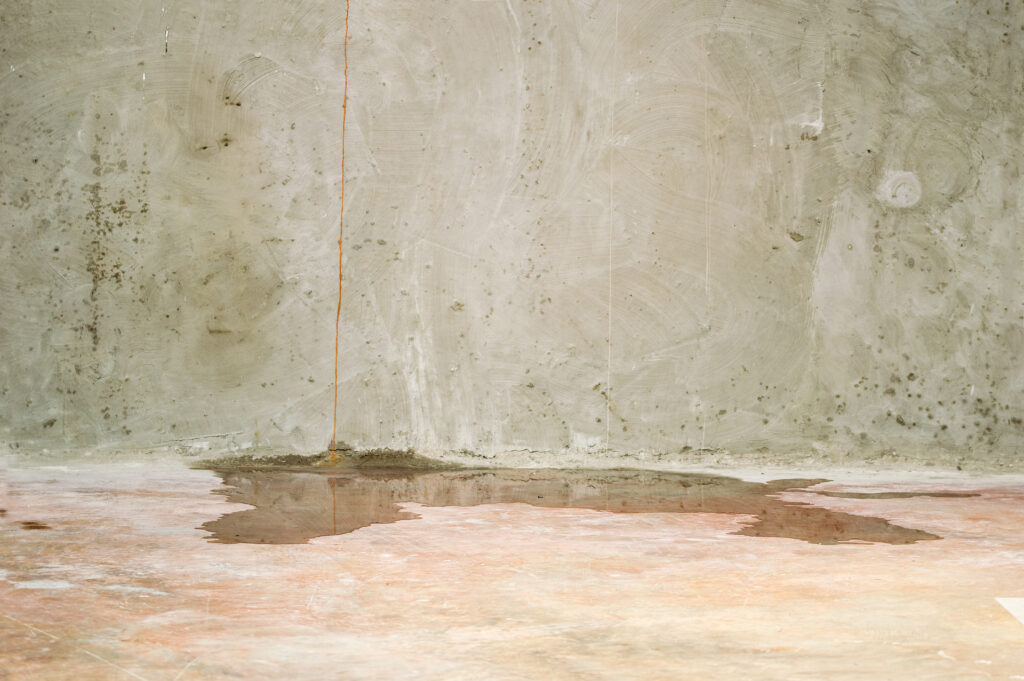
Basement flooding from groundwater is different from surface flooding. It doesn’t always happen all at once, and it isn’t always dramatic. Sometimes it starts as damp walls, peeling paint, or a musty odor that never seems to go away. Other times, after a heavy storm, water may appear along the edges of the basement floor.
In areas like Doylestown and Warrington, clay-heavy soils can worsen the problem. Clay holds water longer than sandy soil, keeping pressure against your foundation for days after rain stops. This prolonged exposure increases the chances of basement flooding from groundwater, especially during wet seasons.
Repeated flooding can cause serious damage over time. Moisture weakens foundation walls, rusts metal supports, and damages stored belongings. Mold growth is another major concern. Even small amounts of water can create an unhealthy environment, especially for children, seniors, or anyone with allergies.
Homeowners often feel frustrated because they clean up the water, only to see it return. That’s because basement flooding from groundwater is not a surface problem. Until the water outside your home is properly managed, it will keep finding its way inside.
Signs You Have Groundwater in Basement Areas
Before water becomes visible, there are warning signs that shouldn’t be ignored:
White, chalky residue on basement walls
Damp or cold-feeling walls
Warped wood or bubbling paint
A persistent musty smell
Rust on appliances or shelving
These clues suggest ongoing moisture intrusion. Catching the problem early makes it much easier to fix groundwater in basement spaces before costly repairs are needed.
How to Keep Groundwater out of Basement
Keeping water out of your basement requires a combination of exterior and interior strategies. Think of it like an umbrella and a raincoat working together. One without the other leaves you exposed.
First, manage water around your home. Make sure gutters are clean and downspouts extend several feet away from the foundation. In neighborhoods like Yardley and Warrington, even small drainage improvements can significantly reduce groundwater pressure.
Next, check the grading around your house. Soil should slope away from the foundation, not toward it. If water collects near the walls after rain, regrading may be necessary.
Sealing visible cracks is another step, but it’s rarely enough on its own. Many homeowners try DIY sealants, only to discover that water finds new paths. That’s why professional solutions are often needed to truly fix groundwater in basement areas.
Interior systems, such as perimeter drains and sump pumps, are designed to collect and redirect groundwater before it spreads across the floor. When properly installed, these systems actively relieve pressure and prevent basement flooding from groundwater, even during heavy storms.
Basement Waterproofing for Groundwater Issues
When water problems persist, professional basement waterproofing services provide the most reliable solution. These systems are designed to manage groundwater at its source, rather than reacting after damage occurs.
Basement waterproofing often includes:
Interior drainage systems that collect water along basement edges
Sump pumps that safely remove water from the home
Vapor barriers to reduce moisture intrusion
Foundation crack repairs for targeted problem areas
Unlike surface-level fixes, these methods address groundwater in basement conditions comprehensively. A properly waterproofed basement stays dry year-round, even during extreme weather.
For homeowners dealing with repeated basement flooding from groundwater, waterproofing also protects property value. A dry, healthy basement can be used for storage, living space, or future renovations without fear of water damage.
Protecting Your Home and Investment
Your home is one of your biggest investments. Allowing ongoing moisture problems puts that investment at risk. Whether you’ve already experienced basement flooding from groundwater or are seeing early warning signs, taking action now can prevent serious damage later.
If you’re looking to fix groundwater in basement areas for good, professional help makes all the difference. At Pressman Home Services, we specialize in reliable, long-lasting solutions tailored to local homes in Doylestown, Warrington, Yardley, Warminster, and surrounding communities.
Our team understands local soil conditions, weather patterns, and construction styles. We offer trusted basement waterproofing services that keep homes dry, healthy, and protected year-round. If groundwater is threatening your basement, now is the time to stop it at the source and reclaim your space with confidence.