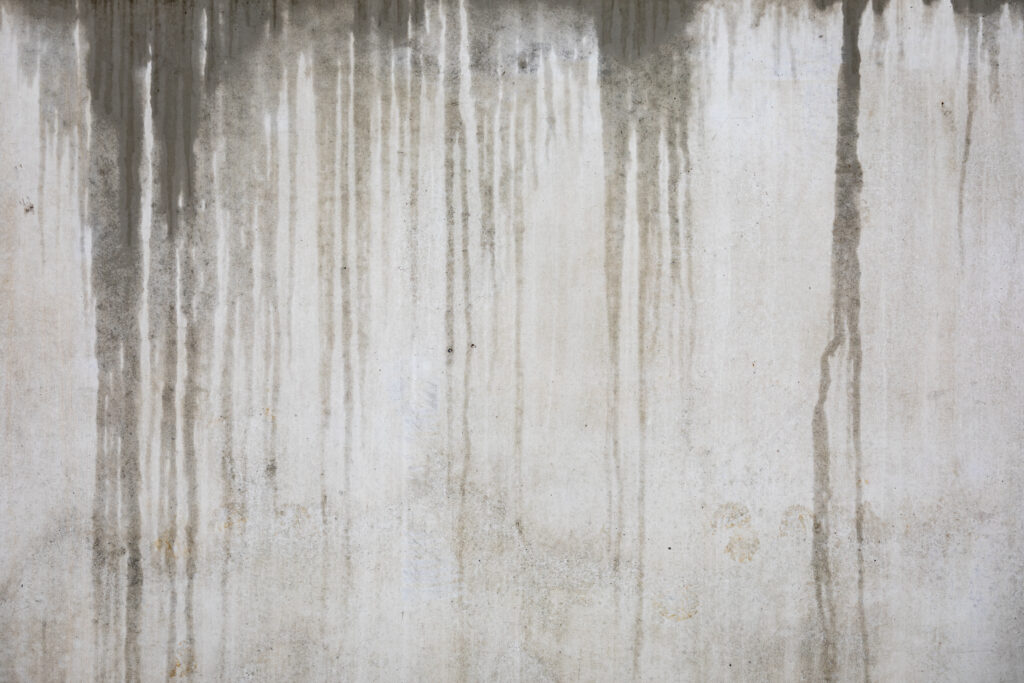
Homeowners across Bucks County—from Doylestown and Warrington to Yardley and Warminster—regularly deal with moisture-related basement issues. One of the most misunderstood problems is basement walls sweating. While it may look harmless at first, this condition often signals deeper moisture concerns that shouldn’t be ignored.
Basements in Southeastern Pennsylvania face unique challenges thanks to our humid summers, cold winters, and clay-heavy soil. Understanding why moisture forms, how it affects your home, and what you can do about it is key to protecting both your property and your family’s health.
Understanding Wet Basement Problems in Southeastern Pennsylvania
Wet basement problems are incredibly common in older and newer homes alike. Even houses that have never flooded can experience moisture buildup on basement walls. High humidity, temperature differences, and poor ventilation all play a role. In many Bucks County homes, basements were built decades ago without modern moisture control systems in mind.
A wet basement wall doesn’t always mean water is pouring in from outside. Sometimes the issue is condensation forming on cool concrete surfaces. Other times, it’s a combination of groundwater pressure and humid indoor air. Either way, moisture that’s allowed to linger can damage walls, floors, stored belongings, and even the air you breathe.
Why Are My Basement Walls Sweating
Basement walls sweating happens when warm, moist air comes into contact with cooler concrete walls. Think of it like a cold glass of iced tea on a summer day. The moisture in the air condenses on the outside of the glass. Your basement walls behave the same way.
In Bucks County, summer humidity is often the main trigger. Outdoor air sneaks into the basement through windows, doors, and small cracks. When that warm air hits the naturally cool concrete walls below ground, condensation forms. Over time, this repeated moisture exposure leads to visible dampness, water droplets, and staining.
Other contributing factors include:
Poor air circulation in the basement
Unsealed concrete walls
Improper grading outside the home
High indoor humidity from laundry, showers, or cooking
Left unaddressed, basement walls sweating can evolve into more serious wet basement problems, including mold growth and material deterioration.
Is It Normal for Concrete Walls to Sweat?
It may be common, but it’s not something you should consider “normal” or safe. Concrete is porous by nature, meaning it absorbs and releases moisture easily. While concrete walls can handle some moisture, persistent condensation is a sign that the environment isn’t properly controlled.
A small amount of condensation during extreme temperature swings may happen occasionally. However, ongoing basement walls sweating is a red flag. Moisture that sits on walls can soak into framing, insulation, and drywall, creating the perfect breeding ground for mold and mildew.
If you notice a consistently wet basement wall, it’s time to investigate the cause rather than chalk it up to seasonal changes.
Common Signs of a Wet Basement Wall
Not all moisture problems announce themselves with puddles on the floor. Some warning signs are subtle but important to catch early:
Damp or darkened patches on concrete walls
White, chalky residue (efflorescence)
Musty odors that linger
Peeling paint or bubbling wall coatings
Warped wood or rusting metal nearby
Homeowners in places like Yardley or Warminster often assume these signs are just part of having a basement. In reality, they’re indicators of ongoing moisture intrusion or condensation issues.
Basement Walls Sweating vs. Active Water Leaks: Knowing the Difference
It’s important to understand whether you’re dealing with condensation or an actual leak. Basement walls sweating usually appears as evenly spread moisture or droplets across large areas of wall. Active leaks, on the other hand, tend to show up as:
Dripping water from a crack or joint
Pooled water near the base of the wall
Moisture that worsens immediately after rain
Both situations fall under wet basement problems, but they require different solutions. A professional inspection can determine the source and prevent unnecessary repairs.
How to Stop Basement Walls From Sweating
Stopping condensation requires controlling moisture and temperature. Some homeowners try quick fixes, but lasting results come from addressing the root cause.
Common strategies include:
Improving ventilation and airflow
Using a properly sized dehumidifier
Sealing foundation walls with vapor barriers
Insulating basement walls correctly
While a dehumidifier can help reduce humidity, it’s often not enough on its own. Without sealing the walls or managing exterior moisture, basement walls sweating will likely return.
DIY Mistakes That Can Make Basement Moisture Worse
Well-meaning DIY efforts sometimes backfire. Painting over a wet basement wall without addressing moisture traps water inside the concrete. Storing cardboard boxes against damp walls encourages mold. Even running fans can push humid air around without removing moisture.
Another common mistake is ignoring exterior drainage issues. Clogged gutters, short downspouts, and poor grading can all contribute to wet basement problems, even if the moisture seems to be coming from inside.
Long-Term Risks of Ignoring Basement Walls Sweating
Moisture doesn’t just stay on the walls. Over time, it affects the entire home. Persistent basement walls sweating can lead to:
Mold and mildew growth
Wood rot in framing and stairs
Increased allergens and respiratory issues
Reduced home value
For families in Bucks County towns like Warrington or Yardley, these risks aren’t worth taking lightly. What starts as minor condensation can turn into costly repairs if left untreated.
Basement Waterproofing Services for Wet Walls
Professional basement waterproofing services are designed to solve moisture problems at their source. Instead of temporary fixes, these services focus on long-term protection.
Depending on your home’s needs, solutions may include:
Interior wall sealing systems
Vapor barriers to block moisture transfer
Drainage improvements
Humidity control systems
An experienced local contractor understands how Bucks County soil, weather, and construction styles affect basement moisture.
How Professional Basement Waterproofing Services Solve the Root Problem
The goal of professional basement waterproofing services is not just to dry the walls but to prevent moisture from returning. A proper system manages water both outside and inside the foundation, keeping your basement dry in every season.
For homeowners dealing with repeated basement walls sweating, professional intervention often saves money in the long run by preventing mold remediation, structural repairs, and damage to stored belongings.
Serving Doylestown, Yardley and Surrounding Towns
Pressman Home Services proudly helps homeowners across Bucks County tackle wet basement problems. From historic homes in Doylestown to newer builds in Warrington and family homes in Yardley and Warminster, we understand the unique challenges each area presents.
Our team has seen firsthand how basement walls sweating can impact comfort, health, and home value—and we know how to fix it the right way.
If you’re tired of dealing with basement walls sweating, musty smells, or ongoing moisture concerns, Pressman Home Services is here to help. Our professional basement waterproofing services are designed for Bucks County homes and backed by real local experience.