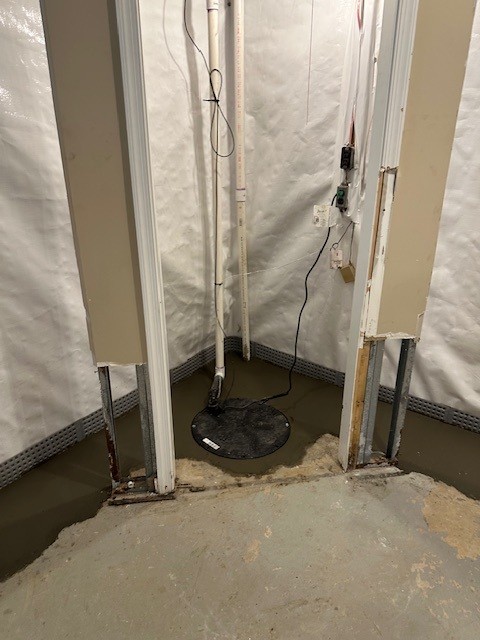
Few things make a homeowner’s stomach drop faster than walking into the basement and seeing water where it doesn’t belong. Maybe it’s after a heavy rain, or maybe it seems to come out of nowhere. Either way, when a sump pump stops doing its job, the damage can happen fast. In many cases, the problem traces back to one common issue homeowners don’t think about until it’s too late: a clog. That’s where clogged sump pump repair becomes more than just a plumbing term—it becomes the difference between a dry basement and costly repairs.
In Bucks and Montgomery County, basements work hard. Older and historic homes, in particular, rely on sump pumps to manage groundwater that naturally builds up around the foundation. When debris, dirt, or sediment blocks the system, water has nowhere to go. The result is often flooding, damaged belongings, and lingering moisture that can lead to mold and structural problems.
What Causes a Clogged Sump Pump?
A sump pump doesn’t clog overnight for no reason. In most homes, especially throughout Bucks and Montgomery County, clogs build up slowly as everyday conditions inside and outside the home take their toll. Understanding what causes these blockages helps homeowners recognize risks early and avoid emergency clogged sump pump repair when the basement is already taking on water.
Below are some of the most common reasons sump pumps become clogged, explained in plain, homeowner-friendly terms.
Dirt and Sediment Washing Into the Sump Pit
Over time, groundwater carries small particles of dirt, sand, and soil toward your foundation. That material eventually settles into the sump pit. During heavy rain, the water churns everything up, pulling sediment straight into the pump intake. Little by little, that buildup restricts water flow until the pump can’t keep up anymore.
This issue is especially common in older homes where sump pits were installed years ago and may not have proper liners or covers.
Gravel From the Drainage System
Many sump systems are surrounded by gravel to help direct water toward the pit. While that gravel is helpful, small stones can shift over time and fall into the pit. Once inside, gravel can jam the pump, block the intake screen, or damage moving parts. When this happens, homeowners often discover the problem only after the pump is running nonstop but not removing water—one of the clearest signs that clogged sump pump repair is needed.
Debris From Flooding or Heavy Storms
During severe storms, sump pumps work overtime. Leaves, small sticks, and even bits of roofing debris can get washed into the system through foundation drains. These materials don’t break down easily and can lodge themselves inside the pump or discharge line, stopping water from flowing out of the basement where it belongs.
Lack of Regular Cleaning and Care
Like any mechanical system, sump pumps need attention. Without routine care, sludge builds up in the pit, intake screens clog, and performance drops. Homes without consistent upkeep are far more likely to experience unexpected failures that lead to clogged sump pump repair during the worst possible moment—usually in the middle of a storm.
Aging or Undersized Sump Pumps
In many historic homes throughout the area, sump pumps may be outdated or not sized correctly for current water conditions. Older pumps often struggle to handle modern drainage demands, allowing debris to accumulate faster. As performance declines, clogs become more frequent and more damaging.
Warning Signs You Need Clogged Sump Pump Repair
Most sump pump problems don’t start with a flooded basement. They start with small, easy-to-miss warning signs that something isn’t working the way it should. Homeowners who catch these clues early can often avoid major water damage. Those who don’t usually end up needing urgent clogged sump pump repair during the next heavy rain.
Here are the most common red flags to watch for—and why they matter.
Standing Water in the Sump Pit
One of the clearest visual signs is water sitting in the sump pit when the pump isn’t running or after it has already cycled. Normally, the pump should remove most of the water, leaving the pit relatively empty. When water lingers, it often means debris is blocking the intake or discharge line.
This is one of those “something’s not right” moments homeowners notice while checking the basement and brushing it off—until that standing water turns into overflow.
Sump Pump Running but Not Draining
Hearing your sump pump run nonstop can feel reassuring at first. At least it’s working, right? Unfortunately, when the pump is running but water levels aren’t dropping, that’s a classic sign of a clog. Dirt, sediment, or gravel may be preventing water from moving through the system.
This is a high-risk scenario where clogged sump pump repair becomes urgent, because the motor can burn out while the water keeps rising.
Basement Flooding After Heavy Rain
If your basement floods only during or after heavy rain, your sump pump may already be partially clogged. It might handle small amounts of water but fail once demand increases. This is common in Bucks and Montgomery County, where storms can dump large volumes of water in a short time.
Flooding tied to rainfall is one of the most emotional and stressful signs homeowners face—and one of the most common reasons they search for help too late.
Unusual Noises or Vibrations
A healthy sump pump should sound steady and consistent. Grinding, rattling, or vibrating noises often mean debris is interfering with the pump’s internal parts. These sounds are more than annoying—they’re warnings that damage is already happening.
Ignoring these noises often leads directly to full system failure and the need for professional clogged sump pump repair rather than a simple fix.
Sump Pump Alarm Keeps Going Off
Few things cause panic faster than a sump pump alarm in the middle of the night. These alarms are designed to alert you when water levels are too high or the pump isn’t keeping up. Frequent alarms usually mean there’s a blockage preventing proper drainage.
When alarms go off repeatedly, it’s a sign the system is under stress and your basement may be one storm away from flooding.
Why a Clogged Sump Pump Can Lead to Basement Flooding
A sump pump’s job is simple: collect groundwater and move it safely away from your home before it causes damage. When that system is even partially blocked, the entire process breaks down. This is why a clog isn’t just a minor inconvenience—it’s one of the most common reasons homeowners end up dealing with basement flooding and unexpected clogged sump pump repair.
When debris restricts the pump’s intake or discharge line, water can’t move out of the sump pit fast enough. During dry weather, you might not notice a problem at all. But when heavy rain hits or snow starts to melt, groundwater levels rise quickly. The sump pit fills faster than the clogged pump can handle, and water begins to overflow onto the basement floor.
In homes throughout Bucks and Montgomery County, this risk is even higher. Many properties sit on soil that holds water, and older foundations often allow more groundwater to seep in. Historic homes, in particular, weren’t designed with modern waterproofing systems in mind. When a sump pump in one of these homes becomes clogged, water pressure builds up around the foundation, forcing moisture through cracks, joints, and porous materials.
Another issue is timing. Storms don’t wait for business hours. A clogged sump pump often fails at night or during severe weather, when water is coming in fastest and help is hardest to reach. By the time homeowners realize what’s happening, damage has already started—ruined flooring, soaked drywall, and stored belongings lost to water.
Flooding also creates secondary problems that linger long after the water is gone. Damp basements can lead to mold growth, musty odors, and long-term structural concerns. What started as a simple blockage can turn into a much bigger repair project if clogged sump pump repair is delayed.
This is why addressing clogs early—and understanding how they contribute to flooding—is one of the most important steps in protecting your basement.
How Sump Pump Maintenance Prevents Future Clogs
One of the best ways to avoid emergency clogged sump pump repair is through regular care. Sump pump maintenance isn’t complicated, but it makes a big difference in how well your system performs when you need it most. Think of it like clearing leaves from a gutter—when water can flow freely, problems are far less likely.
Below are key ways routine care helps prevent clogs, explained in simple, practical terms.
- Removes Dirt and Sediment Before It Builds Up
Over time, fine dirt and sludge settle at the bottom of the sump pit. Regular cleaning removes this material before it gets pulled into the pump and blocks the intake.
- Keeps the Intake Screen Clear
The intake screen is designed to protect the pump, but it can easily become covered with debris. Part of proper sump pump maintenance is making sure this screen stays clear so water can flow freely.
- Prevents Gravel and Debris From Jamming the Pump
Small stones or debris can shift into the pit over time. Routine inspections catch these issues early, reducing wear and lowering the risk of needing urgent clogged sump pump repair during a storm.
- Ensures the Pump Turns On and Off Correctly
A pump that runs too long or cycles incorrectly is often struggling with restricted flow. Maintenance helps identify these warning signs before the system is overwhelmed.
- Checks the Discharge Line for Blockages
Clogs don’t always happen in the pit. Leaves, ice, or dirt can block the discharge line outside the home. Regular checks keep water moving away from the foundation where it belongs.
- Extends the Life of the Sump Pump
Clean, well-maintained pumps work more efficiently and last longer. That means fewer breakdowns, fewer emergencies, and less stress for homeowners.
In areas like Bucks and Montgomery County—especially in older or historic homes—routine sump pump maintenance is one of the smartest investments you can make to protect your basement and avoid sudden water damage.
Why Professional Clogged Sump Pump Repair Is the Safer Choice
When a sump pump is clogged, it can be tempting to try a quick DIY fix. But sump pumps are one of those systems where guessing can make the problem worse. Water, electricity, and hidden debris are not a great combination, especially in a basement that’s already under pressure. That’s why professional clogged sump pump repair is the safer choice for homeowners.
A trained technician doesn’t just remove visible debris and hope for the best. They look at the entire system to find out why the clog happened in the first place. In many cases, what looks like a simple blockage is actually a sign of a bigger issue.
Professional service allows us to:
- Safely clear clogs without damaging the pump or discharge line
- Perform proper sump pump maintenance to prevent repeat problems
- Identify worn or failing parts before they cause a breakdown
- Determine if the sump pump is outdated or undersized for the home
- Let you know honestly if repair makes sense—or if replacement is the better long-term option
This is especially important in older and historic homes throughout Bucks and Montgomery County. Some sump pumps were installed decades ago and simply aren’t built to handle today’s water conditions. During a professional inspection, we can tell you if your system still has life left in it or if upgrading now could save you from emergency flooding later.
Choosing professional clogged sump pump repair isn’t about upselling—it’s about making sure your basement is actually protected when the next storm hits.
Don’t Wait for the Next Storm — Get Trusted Sump Pump Repair Near You
Basement water problems rarely give you a warning. One heavy storm, a fast snowmelt, or a sudden rise in groundwater is often all it takes for a small issue to turn into a flooded basement. If your system is struggling, waiting can mean facing water damage, ruined belongings, and expensive repairs. That’s why addressing clogged sump pump repair early is one of the smartest moves a homeowner can make.
Homeowners throughout Bucks and Montgomery County know that not all homes are the same. Many properties in this area—especially older and historic homes—need experienced professionals who understand how foundations, drainage systems, and sump pumps work together. A one-size-fits-all approach doesn’t cut it when protecting a basement that’s been part of a home for decades.
At Pressman Home Services, we’ve helped homeowners who thought their sump pump just needed a quick fix, only to discover the system was outdated, undersized, or no longer reliable. Our team doesn’t just handle the immediate clogged sump pump repair—we take the time to inspect the entire setup, perform proper sump pump maintenance, and explain your options clearly. If a repair makes sense, we’ll fix it. If replacing the pump or addressing another issue will better protect your home, we’ll tell you that too.
When homeowners search for sump pump repair nearby, they’re usually looking for more than speed. They want someone local, experienced, and honest—someone who understands the unique challenges homes in this area face and knows how to prevent future problems, not just patch them.
If your sump pump is showing warning signs or your basement doesn’t feel as dry as it should, don’t wait for the next storm to find out the hard way. Contact Pressman Home Services today to schedule an inspection or service appointment. We’re proud to serve homes throughout Bucks and Montgomery County with reliable solutions that keep basements dry and families protected.