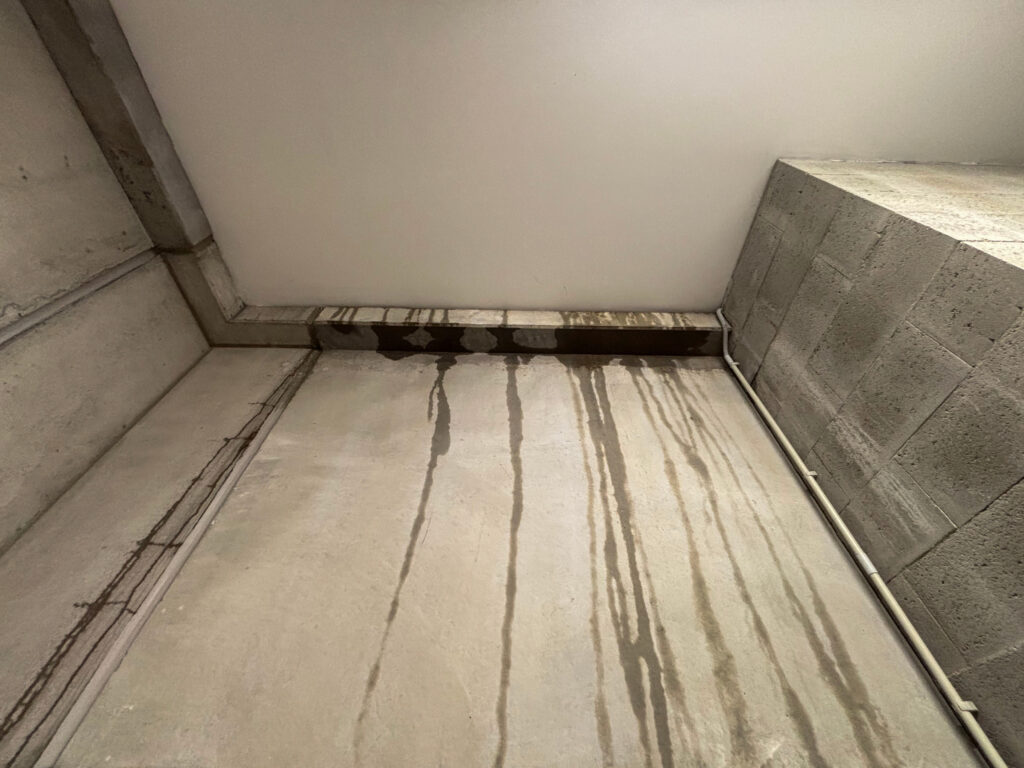
It usually starts with something small. A faint stain. A slow drip. Maybe just a spot that looks a little darker than the rest of your ceiling. Then one day, you realize there’s water leaking from basement ceiling areas that were perfectly fine just weeks ago—and suddenly, it’s not something you can ignore.
For many homeowners, this moment brings a mix of confusion and concern. Where is the water coming from? Is it a plumbing issue? A foundation problem? Or something even more serious hiding behind the walls? The truth is, water leaking from basement ceiling spaces is often a symptom of a deeper issue—and the longer it’s left unaddressed, the more damage it can cause.
Think of your home like a system of interconnected parts. When something goes wrong upstairs—like a leaking pipe, a faulty appliance, or even poor drainage—it doesn’t just stay contained. Water travels. It seeps, spreads, and eventually shows up in places like your basement ceiling, where it becomes visible. And by the time you notice water leaking from basement ceiling surfaces, the problem has often been developing for a while.
Why Is Water Leaking From Your Basement Ceiling?
When you first notice water leaking from basement ceiling areas, it can feel like the problem came out of nowhere. But in reality, water rarely appears without a reason—it travels, it builds up, and it finds the weakest point to show itself.
Your basement ceiling is often the “final stop” for water that started somewhere else. That’s why understanding the root cause is critical. If you only treat the visible damage without fixing the source, the leak will come back—sometimes worse than before.
The Most Common Causes Homeowners Overlook
Many homeowners assume the issue must be something major right away. But more often than not, the cause of water leaking from basement ceiling problems is something subtle that’s been developing quietly over time.
Let’s break down the most common culprits
Plumbing Leaks From Above Floors
This is one of the most frequent reasons behind a basement ceiling leak.
Think about everything happening above your basement—bathrooms, kitchens, laundry rooms. All of these spaces rely on pipes that run through your floors and ceilings. If even a small crack or loose connection develops, water can slowly drip down over time.
What makes plumbing leaks tricky is how hidden they are. You might not see a burst pipe or obvious flooding. Instead, water leaks gradually, soaking into materials until you finally notice water leaking from basement ceiling surfaces below.
Bathroom and Kitchen Water Seepage
Bathrooms and kitchens are high-moisture zones, and they’re notorious for causing hidden leaks.
It’s not always a pipe issue either. Sometimes it’s:
- Worn-out caulking around tubs or sinks
- Loose seals under toilets
- Small gaps where water escapes during daily use
Over time, that moisture builds up and travels downward. What starts as a minor seepage issue upstairs can eventually show up as a steady water leaking from basement ceiling problem.
Foundation Cracks and Structural Issues
Water doesn’t always come from inside your home—it can also come from outside.
If your foundation has cracks or weaknesses, groundwater can seep in, especially after heavy rain. This is where basement waterproofing becomes essential. Without proper protection, water finds its way through even the smallest openings.
Once inside, it doesn’t just stay near the walls. It can move along structural paths and eventually lead to a basement ceiling leak, making it seem like the problem started above when it actually began below or outside.
Poor Basement Waterproofing
If your home lacks proper basement waterproofing, you’re much more vulnerable to leaks.
Water pressure builds up around your foundation over time. Without a system to redirect or block that moisture, it pushes its way inside. This can lead to persistent dampness, pooling water, and eventually water leaking from basement ceiling areas.
It’s like trying to hold back water with a sponge—it might work for a while, but eventually, it gets through.
Condensation vs. Actual Leaks (How to Tell the Difference)
Not all moisture is a true leak.
Sometimes what looks like water leaking from basement ceiling surfaces is actually condensation. This happens when warm, humid air meets cooler surfaces, creating water droplets.
Here’s how to tell the difference:
- Condensation: Light moisture, often in humid conditions, no clear source
- Leak: Consistent dripping, stains, or worsening damage over time
Understanding this distinction is key. Misidentifying the issue can lead to unnecessary repairs—or worse, ignoring a real leak that needs immediate attention.
Why Small Leaks Turn Into Major Damage Fast
A small drip might not seem urgent—but water has a way of escalating problems quickly.
Here’s what can happen if a basement ceiling leak is ignored:
- Mold growth begins within 24–48 hours in damp conditions
- Drywall weakens and sags, eventually needing replacement
- Wood structures rot, compromising your home’s integrity
- Electrical risks increase if water reaches wiring
- Repair costs climb as damage spreads beyond the original area
Think of it like a slow leak in a tire. At first, it’s manageable. But keep driving, and suddenly you’re dealing with a full blowout.
The same principle applies here. What starts as water leaking from basement ceiling areas can quickly turn into a much larger—and more expensive—problem if left untreated.
The Role of Basement Waterproofing in Preventing Leaks
When people think about leaks, they often focus on fixing the immediate problem. But long-term protection requires something more strategic.
That’s where basement waterproofing comes in.
How Waterproofing Protects Your Home Long-Term
Think of waterproofing as a shield around your home. Instead of reacting to water after it gets inside, it stops moisture at the source.
Proper basement waterproofing helps:
- Prevent water intrusion
- Reduce humidity levels
- Protect structural components
- Minimize mold risk
- Extend the life of your home
It’s not just a repair—it’s a long-term investment in your property.
Interior vs. Exterior Waterproofing Solutions
There are two main approaches, interior and exterior waterproofing, and each plays a different role:
- Interior waterproofing focuses on managing water that has already entered. This can include drainage systems and sump pumps.
- Exterior waterproofing stops water before it gets inside, using barriers, sealants, and proper grading.
In many cases, a combination of both provides the best results.
When Waterproofing Is the Real Solution
If you’re repeatedly dealing with water leaking from basement ceiling, patching the problem isn’t enough. That’s like mopping the floor without fixing the leaking pipe.
Recurring leaks, widespread moisture, or signs of foundation issues often point to a bigger need for basement waterproofing.
How Pressman Home Services Fixes Basement Ceiling Leaks
At Pressman Home Services, we understand that no two homes—and no two leaks—are exactly the same.
That’s why we take a diagnostic-first approach.
We don’t just treat the symptom. We find the source.
Our process includes:
- A thorough inspection of plumbing, structure, and moisture sources
- Identifying whether the issue is internal, external, or both
- Providing clear, honest recommendations
- Delivering long-term solutions, not temporary fixes
Whether it’s a simple repair or a full basement waterproofing solution, our team focuses on protecting your home from future problems—not just solving today’s.
Get Expert Help Before the Damage Gets Worse
If you’re noticing water leaking from basement ceiling, don’t wait for it to turn into a major repair.
What starts as a small issue can quickly spiral into structural damage, mold, and costly restoration.
Pressman Home Services is here to help you:
- Identify the real cause
- Fix the problem the right way
- Protect your home for the future
Let Pressman Home Services take the stress off your shoulders.
Whether it’s a hidden plumbing issue, a persistent basement ceiling leak, or a home that needs reliable basement waterproofing, our team is ready to help you fix it fast—and fix it right.
Call at 215-614-5444 today or schedule your inspection with Pressman Home Services—and stop the leak before it spreads.