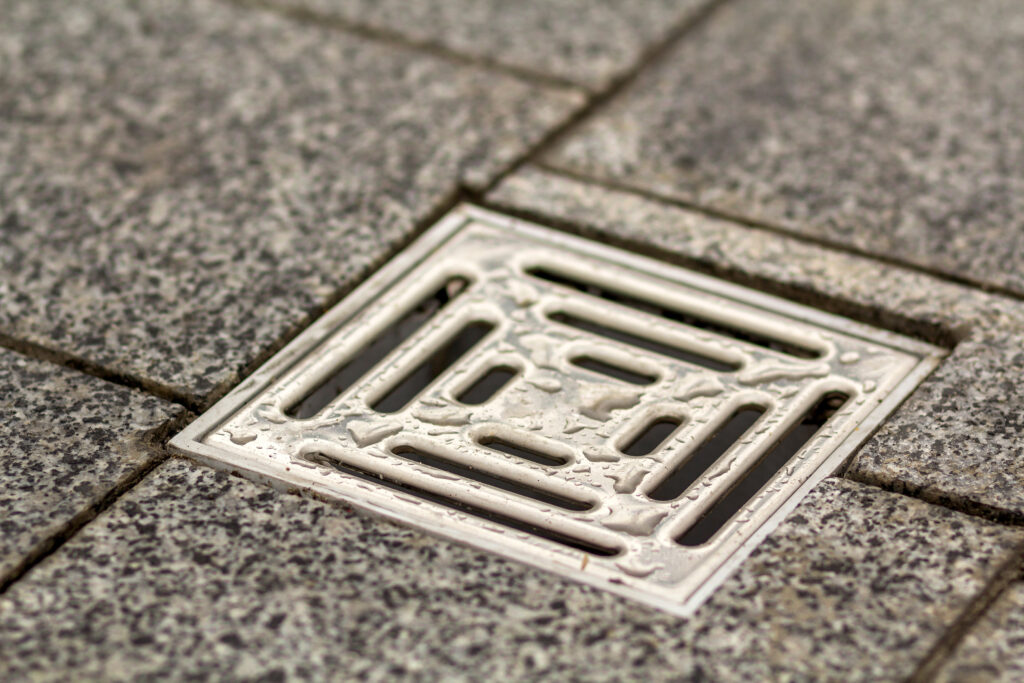
You head downstairs to grab something from the basement and notice it — water sitting in the floor drain. Your first instinct might be to panic, but before you do, take a breath. Standing water in a basement floor drain is one of the most common concerns we hear from homeowners across Bucks County and Montgomery County, and the answer isn’t always cause for alarm. Sometimes it’s completely normal. Other times, it’s an early warning sign of a drainage or plumbing issue that needs attention. In this guide, we’ll walk you through exactly how your basement floor drain works, when standing water is nothing to worry about, and when it’s time to call in a professional. Whether you’re dealing with a slow drain, a backup, or water creeping in after a storm, we’ve got you covered.
How a Basement Floor Drain Is Supposed to Work
Most homeowners don’t think much about their basement floor drain — until something goes wrong. But understanding how this simple fixture works can save you a lot of stress when you spot something unexpected. Your basement floor drain is actually a well-engineered little system, and each part has a specific job to do.
The P-Trap: Why Some Water Is Always There
Here’s something that surprises a lot of homeowners: that small amount of standing water in your basement floor drain? It’s supposed to be there. Beneath the drain cover sits a P-trap — a curved section of pipe shaped like the letter “P” on its side. This curve holds a few inches of water at all times, and that water creates an airtight seal between your basement and the sewer line below. Without it, sewer gases like methane and hydrogen sulfide would have a direct path into your home. So if you see a little water sitting in the drain and there’s no smell, no backup, and no overflow — that’s your P-trap doing exactly what it’s designed to do.
Where the Water Goes After It Drains
When water enters your basement floor drain — whether from a leaky water heater, HVAC condensation, or a heavy rain event — it flows down through the P-trap and into a drainpipe that connects to either your home’s main sewer line or a sump pit. From there, it’s carried safely away from your home. The floor itself is typically sloped ever so slightly toward the drain to help guide water in the right direction. It’s a passive system that works quietly in the background, and most of the time, you’ll never notice it doing its job.
What a Floor Drain Protects Your Home From
Your basement floor drain is your last line of defense against water damage. It collects overflow from appliances, manages minor flooding, and handles the moisture that naturally finds its way into below-grade spaces — especially in areas like Bucks County where clay-heavy soil holds water close to the foundation after heavy rain. Without a functioning floor drain, even a small leak from a water heater or a washing machine hose could turn into a much bigger problem. It also plays a role in protecting your home from sewer gas infiltration, which is why keeping the P-trap filled and the drain clear matters year-round.
When is Standing Water in Basement Floor Drain Normal?
If you’ve spotted water sitting in your basement floor drain and you’re not sure whether to worry, here’s the short answer: in most cases, it’s completely normal. As we covered above, the P-trap is designed to hold a small amount of water — typically 2 to 3 inches — at all times. That water isn’t stagnant or a sign of a problem. It’s doing an important job.
Standing water in a basement floor drain is normal when:
- The water level is low and sits below or flush with the drain cover
- There’s no sewage smell coming from the drain
- Water isn’t rising or spreading onto the basement floor
- No other drains or toilets in the house are slow or backing up
- The water level stays consistent and doesn’t increase over time
One thing to actually watch out for is the opposite problem — a dry floor drain. If your basement drain is rarely used, the P-trap water can evaporate over time, breaking that protective seal and allowing sewer gases into your home. If you notice a sulfur or rotten egg smell near the drain, that’s likely the cause. The fix is simple: pour a pitcher of water down the drain every month or so to keep the trap full. You can also ask our team about installing a trap primer, which automatically maintains the water level for you.
So if you’re seeing a small pool of water sitting quietly in the drain with no other symptoms — breathe easy. That’s your floor drain working exactly as it should.
6 Common Causes of Basement Floor Drain Backup
When the water in your basement floor drain is rising above the drain cover, backing up onto the floor, or coming up when you run other fixtures — that’s a different story. A backup means something is blocking or overwhelming the system, and it’s not something to ignore. Here are the six most common causes we see in homes across Bucks County and Montgomery County:
1. A Clogged Floor Drain
The most straightforward cause. Over time, dirt, debris, hair, soap residue, and sediment build up inside the drain and the pipe below it. Eventually, the buildup restricts flow and water has nowhere to go but back up. This is one of the most common basement floor drain repair calls we get, and in many cases it can be resolved with a professional drain cleaning before it turns into a bigger issue.
2. A Main Sewer Line Blockage
If the clog isn’t in the floor drain itself but further down in your main sewer line, water from multiple fixtures has to go somewhere — and your basement floor drain, being the lowest point in the house, is usually where it surfaces first. Tree root intrusion is a leading cause of main line blockages in older Pennsylvania neighborhoods where large trees have had decades to grow into underground pipes.
3. Tree Root Intrusion
Speaking of tree roots — this deserves its own mention. Roots are naturally drawn to the moisture and nutrients inside sewer pipes. Over time they work their way into small cracks or joints and grow until they cause a significant obstruction. If you have mature trees in your yard and an older home, this is worth having inspected. Our team performs private sewer lateral inspections that can identify root intrusion before it causes a full backup.
4. A Failed or Overwhelmed Sump Pump
Your sump pump and your floor drain work as a team. When the sump pump fails — whether from a power outage, a mechanical issue, or simply being overwhelmed during a major storm — water that would normally be pumped out has to find another exit. That often means it surfaces through the basement floor drain. If your backup only happens during heavy rain events, a failing sump pump may be the culprit rather than a clog.
5. Municipal Sewer System Overload
This one is out of your hands, but it’s more common than most homeowners realize. During heavy downpours — the kind that hit Bucks County and surrounding areas several times a year — the municipal sewer system can become overwhelmed with stormwater runoff. When that happens, water can actually push back through the pipes and up through the lowest drain in your home. If your neighbors experience the same issue after big storms, this is likely the cause.
6. A Broken or Collapsed Drain Pipe
Older homes in our service area — many built in the 1950s, 60s, and 70s — often have original cast iron or clay drain pipes that have deteriorated over decades. A cracked, collapsed, or badly corroded pipe can cause persistent drainage problems that no amount of snaking or cleaning will permanently fix. In these cases, pipe repair or replacement is the right long-term solution, and it’s something our licensed plumbers handle regularly.
When Is It a Plumbing Problem vs. a Waterproofing Problem?
This is one of the most common questions we get — and honestly, one of the most important ones to get right. Misdiagnosing a wet basement can lead to the wrong fix, wasted money, and the problem coming right back. The good news is that there are some clear patterns that point toward one or the other. And sometimes, it’s both.
It’s a Plumbing Problem When…
The water in your basement is tied directly to how you’re using your plumbing. Watch for these signs:
- Water backs up through the floor drain when you flush a toilet, run the washing machine, or use a sink
- You notice a sewage smell coming from the drain or the basement in general
- Multiple drains in the house are slow or gurgling at the same time
- The backup happens regardless of weather conditions
- You see water coming up from the drain rather than seeping through walls or the floor slab
These are classic signs of a blockage or failure somewhere in your drain or sewer system. The solution is basement floor drain repair — whether that’s a professional drain cleaning, sewer line snaking, root removal, or pipe repair. Our licensed plumbers have handled every variation of this across hundreds of homes in Bucks County and Montgomery County, and we’ll tell you straight what the issue is and what it takes to fix it properly.
It’s a Waterproofing Problem When…
The water isn’t coming up through the drain — it’s coming in. This is a different issue entirely, and it calls for a different solution. Signs it’s a waterproofing problem:
- Water appears in the basement during or after heavy rain, even if all drains are clear
- You see moisture seeping through the walls, especially near the base of the foundation
- There’s a damp ring or water staining along the bottom of your basement walls
- Water seems to be coming up through the floor slab itself, not the drain
- The problem is worse in spring when the ground is saturated
In Bucks County and much of southeastern Pennsylvania, clay-heavy soil holds water close to the foundation and creates hydrostatic pressure that pushes moisture through even structurally sound walls. A basement waterproofing service — whether that’s an interior drainage system, a French drain, exterior waterproofing, or a combination — addresses the root cause rather than just managing the symptoms.
When It’s Both
Here’s the reality: in many homes we visit, especially older ones, there’s more than one thing going on. A partially clogged floor drain combined with poor exterior drainage and hydrostatic pressure can create a wet basement that looks like one problem but is actually two. That’s exactly why it helps to work with a company like Pressman Home Services that offers both plumbing and basement waterproofing service under the same roof. We can assess the full picture in a single visit — no finger-pointing between contractors, no guessing. Just a clear answer and a plan to fix it right.
Frequently Asked Questions About Basement Floor Drains
Is it normal to have standing water in a basement floor drain?
Yes, in most cases it is. Your basement floor drain contains a P-trap that holds 2 to 3 inches of water by design — this water creates a seal that blocks sewer gases from entering your home. Standing water in a basement floor drain only becomes a concern when the water level is rising above the drain cover, spreading onto the floor, or accompanied by a sewage smell or slow drainage elsewhere in the house. If the water is sitting quietly at or below the drain cover with no other symptoms, your drain is working exactly as it should.
Why is water backing up through my basement floor drain when it rains?
There are a few possible reasons. The most common are an overwhelmed municipal sewer system, a failing sump pump, or hydrostatic pressure pushing water in through the foundation. If the backup only happens during or after heavy rain events, it’s less likely to be a simple clog and more likely to be a drainage or waterproofing issue. Depending on what’s causing it, the solution could range from sump pump repair to a full basement waterproofing service. If this is happening repeatedly, it’s worth having a professional take a look before the next storm season hits.
How do I know if my basement floor drain is clogged?
The clearest sign is water backing up onto the basement floor when you run fixtures elsewhere in the house — the washing machine, a shower, or a toilet. You might also notice the drain is slow to clear after water enters it, or that there’s a gurgling sound coming from the drain when other plumbing is in use. A persistent sewage smell near the drain can also point to a blockage. If you’re seeing any of these signs, basement floor drain repair sooner rather than later can prevent a minor clog from becoming a major backup.
Should I call a plumber or a waterproofing company for a wet basement?
It depends on the source of the water. If the water appears when you’re actively using plumbing — flushing, washing, draining — that points to a plumbing issue and you need a licensed plumber. If the water shows up during or after rain and seems to be seeping through walls or the floor slab, that’s a waterproofing problem and calls for a basement waterproofing service. If you’re not sure — which is more common than you’d think — contact a company like Pressman Home Services that handles both. We can diagnose the actual source and give you an honest answer in a single visit rather than sending you back and forth between contractors.
How often should a basement floor drain be cleaned?
For most homes, a professional drain cleaning once every one to two years is a reasonable baseline. If your basement drain sees heavy use — from a washing machine, water softener, or frequent flooding — annual cleaning is a good idea. Homes with older clay or cast iron pipes, or with mature trees nearby, may benefit from more frequent inspections given the higher risk of root intrusion and sediment buildup. At Pressman Home Services, we always take a look at the floor drain as part of any plumbing service call so you’re not caught off guard by a buildup you didn’t know was there.
Contact Pressman Home Services
A wet basement or a backed-up floor drain isn’t something you want to sit on. What starts as a slow drain or a small puddle near the floor drain can quickly turn into a sewage backup, water damage, or a mold problem — especially in the older homes and clay-heavy soils we see throughout Bucks County and Montgomery County. The sooner you know what you’re dealing with, the easier and less expensive it is to fix.
At Pressman Home Services, we’re a family-run, owner-operated company. That means when we show up to your home, it’s our team — Master Plumber Ross Pressman and his crew — doing the work from start to finish. No subcontractors, no handoffs, no surprises. Whether you’re dealing with a standing water in basement floor drain situation that’s been nagging at you, a full backup, water seeping through your foundation walls, or something in between, we have the plumbing and basement waterproofing service expertise to diagnose it correctly and fix it right the first time.
We serve homeowners across Bucks County, Montgomery County, and surrounding areas of Pennsylvania and New Jersey. If something in your basement doesn’t look right, don’t wait for it to get worse.
Ready to get to the bottom of it? Reach out to our team and we’ll take it from there.