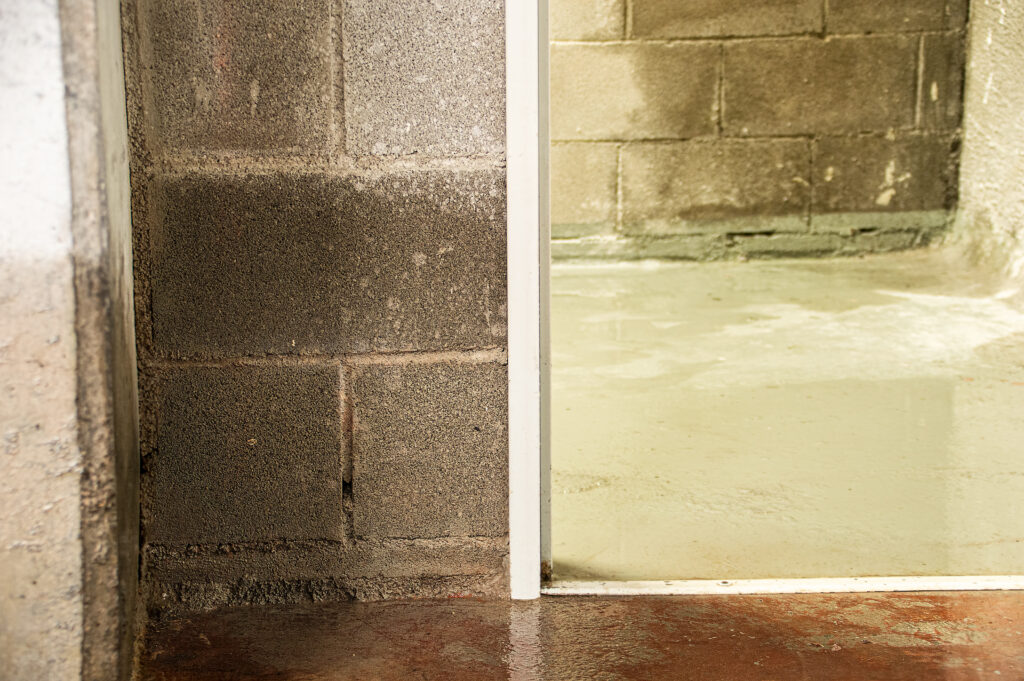
Water in your basement is never a good sign. Whether it shows up as a damp patch on the wall, a puddle after a rainstorm, or that musty smell you just can’t shake, basement water seepage is one of those problems that doesn’t fix itself — and gets worse the longer it’s ignored. If you’ve been wondering how to fix water seepage in basement spaces and what it actually takes to do it right, you’re in the right place.
At Pressman Home Services, we’ve worked in basements across Bucks County and Montgomery County, and we know how common this issue is — especially in older homes sitting on clay-heavy soil that doesn’t drain well. In this guide, we’ll walk you through what basement water seepage is, how to recognize it, why it’s a serious problem, and what a real, lasting fix looks like.
What Is Water Seepage In The Basement?
Basement water seepage happens when water finds its way through your foundation walls or floor — not from a burst pipe or an obvious leak, but through the concrete itself. Over time, water pressure builds up in the soil surrounding your home, and it pushes moisture through small cracks, gaps around pipes, or porous concrete until it ends up inside your basement. It’s a slow, subtle process, which is exactly why so many homeowners don’t catch it until real damage has already been done.
What makes basement water seepage different from other water problems is where it comes from. Rain, snowmelt, and groundwater saturate the soil around your foundation, and when that water has nowhere else to go, it works its way inward. In areas like Bucks County, where clay-heavy soil holds moisture instead of draining it away, this kind of hydrostatic pressure builds up faster than most homeowners expect — making seepage a particularly common issue in our region.
Signs You Have Water Seepage In Your Basement
Basement water seepage doesn’t always announce itself with a puddle on the floor. More often, it shows up in subtle ways that are easy to dismiss — until the damage becomes impossible to ignore. Here are five signs to watch for:
White Chalky Residue On Your Walls
That white, powdery substance on your basement walls is called efflorescence, and it’s one of the earliest signs of water seepage. It forms when water moves through concrete, picks up minerals, and deposits them on the surface as it evaporates. It’s not dangerous on its own, but it’s your wall’s way of telling you that water is actively moving through it.
Damp or Wet Spots After Rain
If you notice damp patches on your basement walls or floor after a heavy rainstorm, that’s a direct sign of water seepage. In our region, spring rains and snowmelt put significant pressure on foundations — and if your basement consistently shows moisture after wet weather, the problem is coming from outside your home, not from condensation.
Musty Smell That Won’t Go Away
A persistent musty odor in your basement is almost always tied to moisture. When water seeps in regularly, it creates the damp environment that mold and mildew need to grow. You may not see mold yet, but if the smell is there, moisture is already present — and mold is likely not far behind.
Visible Cracks In The Foundation Walls
Horizontal, vertical, or stair-step cracks in your foundation walls are more than a cosmetic issue. They are common entry points for basement water seepage, especially horizontal cracks, which can indicate lateral soil pressure pushing against your foundation. Any crack that appears to be growing or shows water staining deserves immediate attention.
Rust Stains or Peeling Paint
Rust stains around floor drains, on metal fixtures, or near wall penetrations are a sign that water has been present long enough to cause oxidation. Similarly, paint that bubbles, peels, or flakes off basement walls is often being pushed off from behind by moisture working its way through the concrete — another clear indicator of basement water seepage.
The Dangers Of Basement Water Seepage
Some homeowners see a damp basement and put it on the back burner — it’s not flooding, so it can wait, right? Unfortunately, that’s rarely how it plays out. Basement water seepage is a slow-moving problem, but the damage it causes compounds over time. Here’s what’s actually at stake if it goes unaddressed:
Mold and Mildew Growth
Mold doesn’t need much to thrive — just moisture, a surface, and time. A basement that seeps water regularly gives mold exactly what it needs. Once mold takes hold, it spreads quickly and can affect your home’s air quality throughout every level of the house. For families with allergies, asthma, or respiratory conditions, this is a serious health concern — not just a basement problem.
Structural Damage To Your Foundation
Water is patient. Given enough time, consistent moisture weakens concrete, corrodes reinforcing steel, and causes foundation walls to crack, bow, or shift. What starts as a minor seepage issue can gradually compromise the structural integrity of your entire home. Foundation repairs are among the most costly home repairs a homeowner can face — and most of them start with water that was left unchecked.
Damage To Belongings and Living Space
For many homeowners, the basement is storage space, a finished living area, or both. Basement water seepage doesn’t discriminate — it ruins flooring, drywall, furniture, and anything else in its path. Beyond the immediate loss, recurring moisture makes it nearly impossible to use your basement as functional space, costing you square footage you’re already paying for.
Lower Home Value and Failed Inspections
Water damage is one of the first things a home inspector looks for — and one of the fastest ways to derail a sale. Evidence of basement water seepage, even if it seems minor, raises red flags for buyers and can significantly reduce your home’s market value. Addressing the problem proactively protects your investment and keeps your options open if you ever decide to sell.
How To Fix Water Seepage In Your Basement
This is the part where a lot of articles will hand you a list of DIY steps and send you on your way. We’re going to be straight with you instead — because when it comes to basement water seepage, the right fix isn’t a weekend project. It’s a permanent solution that protects one of the biggest investments you own.
Why DIY Fixes Fall Short
There’s no shortage of products at the hardware store promising to seal basement walls and stop water for good. Hydraulic cement, waterproofing paint, and crack fillers can seem like a quick, affordable answer — and for very minor surface issues, they might buy you some time. But here’s the problem: these solutions treat the symptom, not the source. Basement water seepage is driven by hydrostatic pressure in the soil outside your foundation. No coat of sealant applied from the inside changes what’s happening on the outside. In most cases, DIY patches fail within a season or two, and by the time homeowners call us, the damage has gotten significantly worse. Doing it right the first time is always less expensive than fixing a failed DIY repair on top of the original problem.
How We Fix Basement Water Seepage
At Pressman Home Services, our approach to basement waterproofing is built around finding the actual source of the water and eliminating it — not covering it up. Depending on what we find, our solutions may include:
- Interior drainage systems that capture water before it can cause damage
- Exterior waterproofing that addresses the problem directly at the foundation wall
- Sump pump installation to actively manage groundwater around your home
- French drain installation to redirect water away from your foundation
- Crawl space waterproofing for homes where moisture is entering from below
Every solution we recommend is based on what your specific basement needs — not a one-size-fits-all package. And because we’re an owner-operated company, Ross Pressman and our team are onsite from start to finish. No subcontractors, no handoffs — just consistent, accountable work.
Our Process
Every job at Pressman Home Services follows the same straightforward approach — no surprises, no pressure, just honest work done right. Here’s what to expect:
- On-site assessment — We inspect your basement thoroughly, identifying exactly where water is entering and what’s driving it
- Soil and drainage evaluation — We look at the conditions around your foundation, including grading, soil type, and existing drainage
- Clear recommendation — We walk you through what we found and what we recommend, in plain language with no upsells
- Full installation — Our team handles everything from start to finish using proven basement waterproofing methods and quality materials
- Final walkthrough — When the job is done, we explain exactly what was done, why it was done, and what to expect going forward
That’s the Pressman standard — owner-operated, hands-on, and accountable from the first visit to the final walkthrough.
Frequently Asked Questions About Basement Water Seepage
What Causes Water Seepage In A Basement?
Basement water seepage is most commonly caused by hydrostatic pressure — the buildup of water in the soil surrounding your foundation. When rain, snowmelt, or groundwater saturates the soil and has nowhere to drain, it pushes against your foundation walls and floor until it finds a way in. Common entry points include cracks in the foundation, gaps around pipe penetrations, and porous concrete that has deteriorated over time. In areas like Bucks County, where clay-heavy soil retains moisture rather than draining it, this pressure builds up faster and more consistently than in areas with sandier, more permeable soil.
How Much Does It Cost To Fix Basement Water Seepage?
The cost of fixing basement water seepage varies depending on the size of your basement, the severity of the problem, and what solution is needed. Because every home and every basement is different, we don’t believe in quoting prices without first seeing the space. What we can tell you is that addressing basement water seepage early almost always costs significantly less than waiting until the damage compounds. Reach out through our contact page for a free on-site estimate — no obligation, no pressure.
Can Water Seepage Damage My Foundation?
Absolutely — and it’s one of the most important reasons not to ignore it. Over time, consistent moisture weakens concrete, corrodes reinforcing steel, and causes foundation walls to crack, bow, or shift. What starts as minor basement water seepage can gradually compromise the structural integrity of your entire home. The earlier the problem is caught and properly addressed through basement waterproofing, the better your chances of avoiding costly structural repairs down the road.
How Long Does Basement Waterproofing Last?
A properly installed basement waterproofing system should last for many years — often decades — when it’s done right with quality materials. The key word is “properly.” Surface-level DIY patches tend to fail within a season or two, while a professionally installed interior drainage system or exterior waterproofing solution is built to handle ongoing hydrostatic pressure year after year. At Pressman Home Services, we stand behind our work and use materials and methods designed for long-term performance, not quick fixes.
Stop Water Seepage Before It Gets Worse — Contact Pressman Home Services
Basement water seepage is not a problem that resolves on its own. Every season it goes unaddressed, the moisture does more damage — to your foundation, your air quality, your belongings, and your home’s value. The good news is that a permanent, professional solution exists, for example, our basement waterproofing services, and getting started is simpler than most homeowners expect.
At Pressman Home Services, we’ve helped homeowners across Bucks County, Montgomery County, and surrounding parts of Pennsylvania and New Jersey take back their basements for good. As an owner-operated company, Ross Pressman and our team are onsite for every job — no subcontractors, no shortcuts, no surprises. Just honest work, done right the first time.
If you’ve noticed any of the signs we covered in this guide — damp walls, efflorescence, cracks, musty odors, or water after rain — don’t wait for the problem to grow. The sooner we assess your basement, the more options you have and the less it costs to fix.
Ready to get started? Reach out through our contact page and we’ll schedule a free on-site assessment at your convenience. No pressure, no obligation — just a straight answer from a team that knows basements.