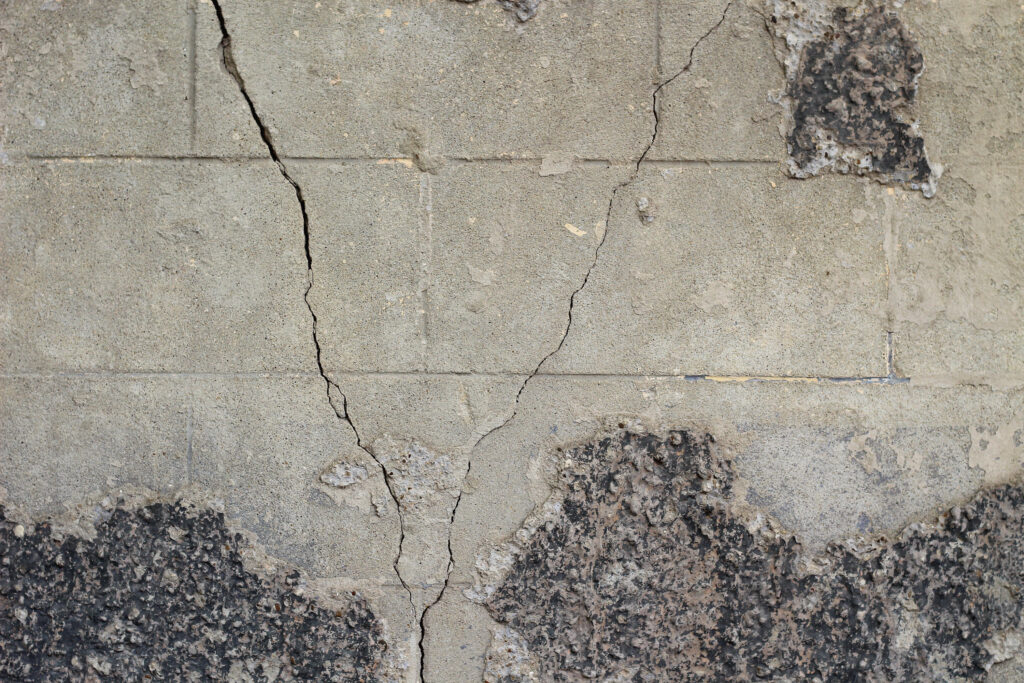
You walk past your basement wall and notice a thin crack running down the concrete. At first, it doesn’t seem like a big deal—just another small flaw in an aging home. But then the question starts creeping in: which foundation cracks are serious and which ones can you safely ignore?
The truth is, not all cracks are created equal. Some are harmless and expected as your home settles over time, while others can signal deeper structural issues that require immediate attention. Knowing the difference isn’t just about peace of mind—it can save you from costly repairs down the road. In this guide, we’ll break down which foundation cracks are serious, what causes them, and when it’s time to consider professional foundation crack repair or even a full foundation repair service.
Why Foundation Cracks Should Never Be Ignored
It’s easy to overlook a small crack in your foundation, especially if it doesn’t seem to change right away. But the reality is, even minor cracks can be early warning signs of bigger issues developing beneath your home. When homeowners ask which foundation cracks are serious, they’re often already seeing the first clues of shifting, pressure, or moisture problems that won’t fix themselves.
Think of your foundation like the roots of a tree—if something starts to go wrong underground, the effects slowly show up everywhere else. Cracks can widen, walls can bow, and floors can become uneven over time. Catching the problem early gives you more options, whether that’s simple foundation crack repair or calling a trusted foundation repair service before the damage becomes more extensive and expensive.
Which Foundation Cracks Are Serious? Understanding the Key Differences
When homeowners start asking which foundation cracks are serious, what they’re really trying to figure out is whether they’re dealing with a cosmetic issue—or a structural warning sign. The shape, direction, and size of a crack can tell a story about what’s happening beneath your home. Let’s break down the most common types so you know what to watch for.
Hairline Cracks vs Structural Cracks
Hairline cracks are thin, often barely noticeable lines that can appear as concrete cures and settles. In many cases, these are normal and don’t pose an immediate threat. However, the key is monitoring them over time.
Structural cracks, on the other hand, are wider, deeper, and often continue to grow. If you’re wondering which foundation cracks are serious, this is where the line starts to become clear. Cracks wider than 1/8 to 1/4 inch, or ones that change over time, may require professional foundation crack repair before they turn into something more severe.
Vertical Cracks: When They’re Harmless (and When They’re Not)
Vertical cracks are one of the most common types found in foundations. They often occur as a home naturally settles over time and, in many cases, are not immediately dangerous.
But here’s the catch—if a vertical crack begins to widen, allows water intrusion, or appears alongside other issues like uneven floors, it may signal a deeper problem. Homeowners trying to determine which foundation cracks are serious should pay close attention to changes, not just the crack itself.
Horizontal Cracks: A Major Red Flag
Horizontal cracks are where things get more serious. These cracks typically indicate pressure pushing against your foundation walls—often from soil expansion or water buildup outside the home.
If you spot a horizontal crack, it’s usually not something to monitor casually. It’s a sign that your foundation could be under significant stress and may require immediate attention from a foundation repair service. In many cases, these cracks are among the clearest answers to which foundation cracks are serious.
Diagonal Cracks and What They Usually Mean
Diagonal cracks often form at a 30 to 75-degree angle and are usually linked to uneven settling. One part of your home may be sinking faster than another, causing stress that shows up as angled cracking.
These cracks can vary in severity. Small, stable diagonal cracks may not be urgent, but larger or expanding ones should never be ignored. If you’re evaluating which foundation cracks are serious, diagonal cracks that continue to grow or appear alongside sticking doors and windows are worth a closer look.
Stair-Step Cracks in Brick or Block Foundations
Stair-step cracks follow the mortar lines in brick or concrete block foundations, creating a step-like pattern. These are often caused by shifting soil or foundation movement.
This type of crack is one of the more telling signs of structural stress. While not every stair-step crack means immediate danger, they frequently indicate the need for professional evaluation. In many cases, homeowners dealing with these patterns end up needing foundation crack repair to stabilize the structure and prevent further movement.
What Causes Serious Foundation Cracks in Homes
Understanding which foundation cracks are serious starts with knowing what causes them in the first place. Cracks don’t just appear randomly—they’re often the result of pressure, movement, or moisture affecting your home over time. Think of your foundation like a rigid shell sitting on constantly changing ground. When that ground shifts, expands, or weakens, the stress has to go somewhere—and it usually shows up as cracks.
Soil Movement and Settlement
One of the most common causes of foundation cracks is soil movement. Over time, the ground beneath your home naturally settles, especially in areas with loose or recently disturbed soil.
While some settling is normal, uneven settlement is where problems begin. If one side of your home sinks more than the other, it creates stress that can lead to larger, more serious cracks. This is often when homeowners start noticing signs that point to the need for foundation crack repair.
Poor Drainage Around the Home
Water is one of the biggest enemies of a stable foundation. When water isn’t properly directed away from your home, it can collect around the base and weaken the soil.
Over time, this leads to expansion, shifting, and pressure against your foundation walls. If you’re trying to figure out which foundation cracks are serious, cracks caused by ongoing drainage issues tend to worsen quickly and require attention from a professional foundation repair service.
Tree Roots and Expanding Soil
Trees can add beauty and shade to your property, but their roots can also cause trouble underground. As roots grow, they can push against the soil and disrupt its stability.
In some cases, roots absorb large amounts of moisture, causing the soil to shrink and shift. This cycle of expansion and contraction creates stress on your foundation, which can lead to cracking over time.
Hydrostatic Pressure Against Foundation Walls
Hydrostatic pressure might sound complicated, but the idea is simple—when water builds up in the soil around your home, it pushes against your foundation walls.
This pressure can become incredibly strong, especially after heavy rain. Over time, it can cause walls to bow, crack, or even shift inward. When evaluating which foundation cracks are serious, cracks caused by this type of pressure are often among the most urgent to address.
Poor Construction or Aging Materials
Not all foundation problems come from outside forces. Sometimes, the issue starts with how the foundation was built—or how it has aged over time.
Low-quality materials, improper construction techniques, or decades of wear and tear can all weaken your foundation. As materials break down, cracks can form more easily and grow more quickly, increasing the likelihood that you’ll need a full foundation repair service rather than a simple fix.
How to Prevent Foundation Cracks From Getting Worse
Once you understand which foundation cracks are serious, the next step is making sure small issues don’t turn into major structural problems. The good news? A lot of foundation damage can be slowed—or even prevented—with the right habits and maintenance. Think of it like maintaining your car: a little attention now can save you from a much bigger repair later.
Managing Water Around Your Home
Water control is one of the most important factors in protecting your foundation. Too much moisture around your home can weaken the soil, while too little can cause it to shrink and shift.
Make sure water flows away from your home, not toward it. This means keeping an eye on where rainwater collects and ensuring your yard slopes slightly away from the foundation. Homeowners who stay proactive here are far less likely to deal with serious cracks that require extensive foundation crack repair.
Maintaining Proper Drainage Systems
Your gutters and downspouts play a bigger role than you might think. When they’re clogged or not positioned correctly, water can pool around your foundation and create long-term pressure.
Regularly cleaning your gutters and extending downspouts at least a few feet away from your home can make a noticeable difference. If drainage issues persist, it may be worth consulting a foundation repair service to evaluate whether additional solutions—like French drains or waterproofing—are needed.
Seasonal Maintenance Tips for Homeowners
Each season brings different challenges for your foundation. In the summer, dry conditions can cause soil to contract, while heavy rains in other seasons can lead to expansion and pressure.
A simple routine—checking for new cracks, monitoring existing ones, and keeping moisture levels consistent—can go a long way. If you ever find yourself questioning which foundation cracks are serious, it’s always better to have a professional take a look early rather than waiting for visible damage to spread.
Don’t Wait Until a Small Crack Becomes a Big Problem
It’s easy to dismiss a small crack as “just part of the house settling,” but that mindset is exactly how minor issues turn into major repairs. By the time the signs become obvious—like widening cracks, sticking doors, or uneven floors—the damage has often already progressed. If you’ve been wondering which foundation cracks are serious, the safest approach is simple: don’t wait to find out the hard way.
The reality is, early action gives you more control. What might start as a simple foundation crack repair can quickly escalate into a larger structural issue if ignored. And the longer you wait, the more likely it is that you’ll need a full foundation repair service instead of a smaller, more affordable fix. Your home is one of your biggest investments—protecting its foundation should always be a priority, not an afterthought.
At Pressman Home Services, we understand how stressful foundation concerns can feel. That’s why our team focuses on honest evaluations, clear explanations, and long-term solutions that actually protect your home—not just patch the problem.
Call Pressman Home Services Today
If you’ve noticed cracks in your foundation or you’re unsure what they mean, don’t leave it to guesswork. Let experienced professionals take a closer look and give you real answers.
- Call 215-614-5444 today to schedule your inspection
- Get peace of mind with a trusted local foundation repair service
- Stop small problems before they turn into costly repairs
Your home deserves a strong, stable foundation—and we’re here to help you keep it that way.