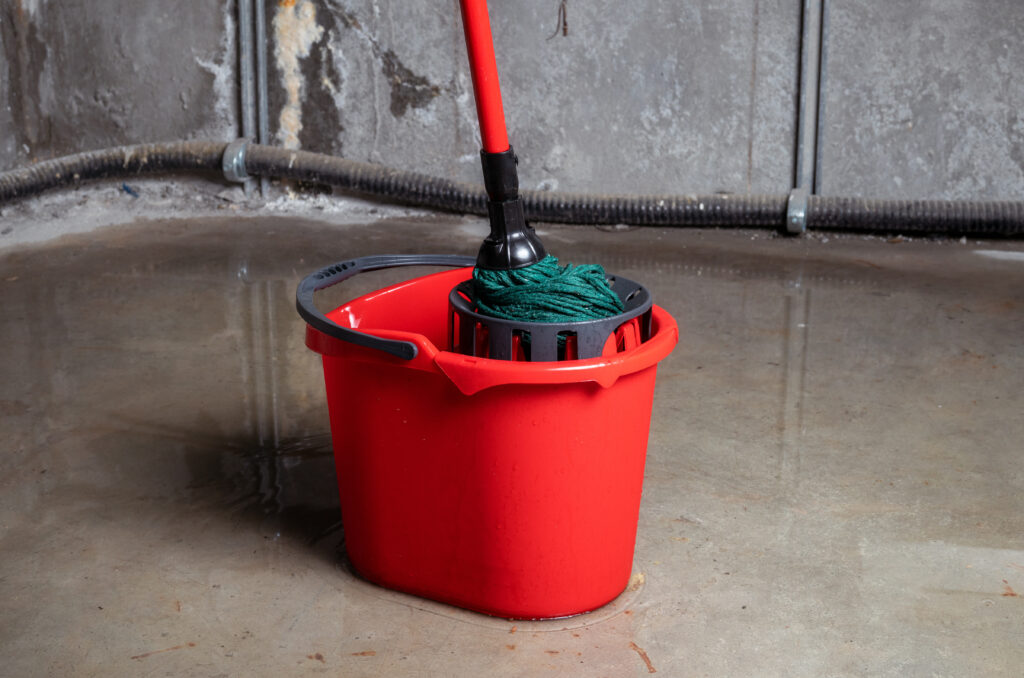
Picture this: a quiet Pennsylvania evening, rain pounding on the roof, the kind of steady drum that usually feels comforting—until you walk downstairs and notice water creeping across the basement floor. It’s not coming from the walls. It’s not dripping from the ceiling. It’s bubbling straight up through the floor drain. For many homeowners in Bucks and Montgomery County, this moment is the difference between a calm night and a frantic scramble for towels, buckets, and a plumber’s number.
In this guide, we’ll break down exactly why it happens, the signs to watch for, the immediate steps to take, and how the right inspection can pinpoint the real issue before it leads to a major flood.
Why Basement Floor Drain Backup During Heavy Rain?
When a storm rolls through and water starts coming up through the basement floor drain, it almost always feels sudden. But behind the scenes, something has been building pressure, blocking flow, or overwhelming the system long before the rain hit. Here are the most common causes homeowners in our area run into—many of which stay hidden until the first heavy downpour.
Heavy Rain Overloading the Main Sewer Line
During a rainstorm, every home in the neighborhood sends water into the same municipal system. Street drains, roof drainage, groundwater—it all funnels into one network. When that network hits capacity, the water inside can’t move forward fast enough.
Imagine a traffic jam on I-95. Cars keep merging, but the road isn’t moving. Eventually, they back up past the on-ramps.
Your basement drain becomes one of those on-ramps.
When the main sewer line becomes overwhelmed, the pressure forces water backward, right into your floor drain. This is one of the most common causes of backups during heavy rain.
Clogged Drain Lines (Soap, Dirt, Sediment, Hair, and Roots)
Even if your sewer line isn’t fully blocked, it doesn’t take much buildup to slow water flow. Over time, everyday materials start collecting inside the line:
laundry lint
soap scum
basement debris
dirt from mopping
mineral buildup
tree roots from small cracks
The line narrows, and when rainwater floods the system, the restricted space can’t keep up. Pressure builds, and water comes right back through the drain.
This is why backups often seem like a one-time event but slowly get worse as months go by.
Failed or Missing Backwater Valve
If your home has a backwater valve, it’s designed to act like a one-way door. Water should be able to leave, but never return. When it’s working, it’s one of the best defenses against storm-induced backups.
But valves can fail.
Or clog.
Or stick.
Or in many older Pennsylvania homes—never exist at all.
So when a storm hits and the sewer water surges, nothing stops that pressure from reversing direction.
A missing or malfunctioning backwater valve is one of the clearest reasons water enters the basement through the floor drain during storms.
Broken, Cracked, or Collapsed Sewer Line
Pennsylvania has a huge number of older clay, terracotta, and cast-iron sewer pipes. These materials crack, shift, or collapse over time. Once the structure weakens, the pipe can’t move water properly, especially during heavy rain.
The symptoms show up as:
repeated backups
slow drains
foul odors
wastewater returning during storms
A broken line might handle everyday water flow just fine. But add six inches of rain, and the weakened pipe becomes a bottleneck. The water has no choice but to reverse direction—and the basement drain becomes the release point. That is why annual lateral sewer inspections are key.
Foundation Water Pressure Pushing Water Upward
Heavy rainfall saturates the ground, especially in clay-heavy soils like we see across Bucks and Montgomery County. When the soil becomes soaked, water pressure builds around the foundation walls and under the basement floor.
This pressure is called hydrostatic pressure, but a simple analogy makes it easier:
Picture pressing your hand against a soaked sponge. Water squeezes out wherever there’s the least resistance.
Your basement drain is that path of least resistance.
Even if the sewer line is fine, extreme water pressure around the home can push stormwater up through the drain and across the floor.
Municipal Sewer Backup During Storms
Sometimes the issue isn’t inside your home at all. Cities and townships can experience massive sewer surges during heavy storms, especially older systems that combine rainwater and wastewater into the same lines.
When the municipal system is overwhelmed:
manholes overflow
storm drains flood
street-level water rises
sewer pressure reverses
Homes downstream or at lower elevations—common in neighborhoods throughout Doylestown, Warminster, New Britain, and Newtown—are the first to feel the damage.
Your basement drain shows the symptoms, but the cause is entirely outside your property.
How a Basement Floor Drain Is Supposed to Work
A basement floor drain is one of those things most homeowners never think about until it stops doing its job. When everything is working the way it should, the drain acts like a quiet safety net. It sits at the lowest point of the basement floor, waiting for the rare moment it needs to carry water away—whether from a spill, a washing machine overflow, or routine basement condensation.
Think of it like an emergency exit in a building. You don’t notice it every day, but when a real problem hits, you depend on it completely.
For most homes in Bucks and Montgomery County, that floor drain connects to one of two places:
Your home’s main sewer line, which carries wastewater to the municipal sewer system, or
Your interior drainage system, if your basement has one installed.
When water enters the drain, it travels through this network of pipes and is carried safely out of the home. The system is designed with gravity in mind—the water flows downward and away, without needing pumps or equipment in most cases.
But heavy rain changes the rules. During a storm, the main sewer line is suddenly dealing with an enormous amount of water all at once—from your home, your neighbor’s home, and every street drain feeding into the same system. When the line becomes overwhelmed, it can’t move water forward as quickly as it’s receiving it. That pressure has to go somewhere.
And unfortunately, the basement floor drain becomes the easiest escape route.
This explains why backups often seem to happen “out of nowhere.” The drain itself may not be the problem at all—it’s simply the place where your home’s drainage system reveals its weakest point. When the system is functioning properly, everything flows out. When a storm pushes the system past its limit, water flows back in.
Understanding this simple chain reaction makes it easier to diagnose the real issue. Most of the causes aren’t visible without a deeper look, but the drain is always the first place you’ll see the symptoms.
What to Do Immediately When Your Basement Floor Drain Starts Backing Up
When water starts rising through the basement floor drain during a storm, the most important thing is acting quickly without making the situation worse.
Stop using all water in the house
Any toilet flush, shower, laundry load, or sink use adds more water into the same overloaded line. Shutting everything off gives the system a chance to settle.
Move belongings out of the area
Cardboard boxes, furniture legs, and stored items can wick water fast. Even an inch of backup can ruin a lot of belongings.
Check if the sump pump is running
If your home has a sump pump, make sure it’s plugged in, not clogged, and hasn’t tripped a breaker. A non-working pump can make a backup look twice as bad.
Don’t try chemical drain cleaners
They rarely solve the real problem and can be dangerous if a technician needs to open the line afterward.
Look for “progression”
Is water trickling, bubbling, or rising fast?
This helps determine whether the issue is a partial clog or full sewer overload.
Call for help if:
water continues rising
the backup smells like sewage
the backup happens during every rain
multiple drains in the house are affected
In these moments, homeowners often try mopping, plunging, or flushing the drains. But during storms, the root cause is rarely inside the floor drain itself. The key is identifying where the pressure is coming from.
How Pressman Home Services Diagnoses Basement Drain Backups
When we arrive at a home with a storm-related drain backup, the goal is to figure out why it’s happening—not just clean up the symptoms. Two core services get to the truth quickly and accurately.
Sewer Camera Inspection
A small, high-resolution camera is fed through the sewer line. This allows us to see:
blockages
root intrusions
partial collapses
misaligned joints
buildup restricting flow
Camera inspections are the fastest way to confirm whether the backup is coming from inside your line or outside in the municipal system. Homeowners often describe it as finally “seeing the answer” instead of guessing.
Interior Drainage & Waterproofing Assessment
If the camera shows the sewer line is flowing properly, the next step is examining how water is moving in the basement itself.
This includes checking:
the floor drain
the sump pit and pump
interior drain tiles
grading of the basement floor
moisture entry points
This assessment tells us whether the backup is caused by pressure around the foundation, a drainage imbalance, or a structural issue beneath the slab.
Together, these two diagnostics eliminate the guesswork and point directly to the fix—whether it’s a sewer repair, a clog, a valve problem, or a waterproofing solution that keeps rainwater where it belongs: outside.
Professional Fixes for Basement Drains Backing Up During Rain
Once we identify the real cause of the backup, the solution usually falls into a clear category. Most repairs are straightforward when the problem is diagnosed correctly.
Clearing Blockages & Hydro Jetting
If the issue is buildup, debris, or roots restricting flow, a professional cleaning opens the line back up. Hydro jetting removes years of gunk in one visit and restores full pipe capacity so stormwater can move through without bottlenecking.
Repairing or Installing a Backwater Valve
A backwater valve is like a traffic gate for water—everything flows out, nothing flows back in. When installed properly, it protects your basement during extreme storms. If your home has one that’s stuck or clogged, repairing it can immediately stop storm-related backups.
Sewer Line Repair or Replacement
Cracked, sagging, or collapsed lines can’t move rainwater efficiently. Depending on what we find during the camera inspection, repairs may involve replacing a section of pipe, correcting alignment, or—if the damage is more extensive—installing a modern, long-lasting line.
Interior Waterproofing Improvements
If the sewer line is fine but storm pressure is overwhelming the home, improving the interior drainage system helps divert water before it reaches the floor drain. This may include adjustments to drain tiles, adding drainage channels, or improving flow toward the sump pit.
These solutions not only stop backups but also reduce moisture, odors, and long-term foundation stress.
Preventing Future Drain Backups During Heavy Rain
Once the immediate issue is solved, prevention becomes the key to long-term stability—especially in areas known for heavy storms and clay-rich soil.
Routine Sewer Line Inspections
An annual or bi-annual camera scan keeps roots, cracks, and buildup from turning into emergency backups the next time a storm rolls in.
Keeping Gutters & Downspouts Clear
When downspouts overflow or dump water too close to the house, that water pushes against the foundation and increases pressure on the floor drain. Extensions and clean gutters make a huge difference.
Improving Yard Grading
Over time, soil settles and slopes shift toward the home. Regrading helps move stormwater away from the foundation instead of toward it.
Sump Pump & Battery Backup Protection
A powerful sump pump keeps groundwater pressure low. A backup battery makes sure it still runs during power outages—one of the most common times basements flood.
Sealing Foundation Gaps and Moisture Points
Addressing minor cracks and moisture intrusions helps prevent hydrostatic pressure from forcing water upward through the drain.
With the right preventive steps, most homeowners can significantly reduce or completely eliminate storm-related drain backups.
When to Call Pressman Home Services
A basement floor drain backup during heavy rain is more than an inconvenience—it’s your home’s way of telling you something deeper is happening in the drainage or sewer system. The hard part for homeowners is that the symptoms all look the same, but the causes vary wildly. Some issues are simple, like a clog. Others involve aging sewer pipes, foundation pressure, or overwhelmed municipal lines. The key is getting a clear diagnosis before the next storm makes the problem worse.
Pressman Home Services helps homeowners throughout Doylestown, Newtown, Warminster, Jamison, Warrington, New Britain, Chalfont, and the surrounding Bucks and Montgomery County areas get real answers and long-term solutions. With precise sewer camera inspections and interior drainage assessments, we pinpoint the root cause instead of guessing or applying temporary fixes.
If your basement drain backs up every time it rains—or even just once—it’s worth having it checked properly. The sooner you uncover the why, the sooner you can protect your basement, your belongings, and the value of your home. And when the next storm hits, you’ll know your home is ready for it.