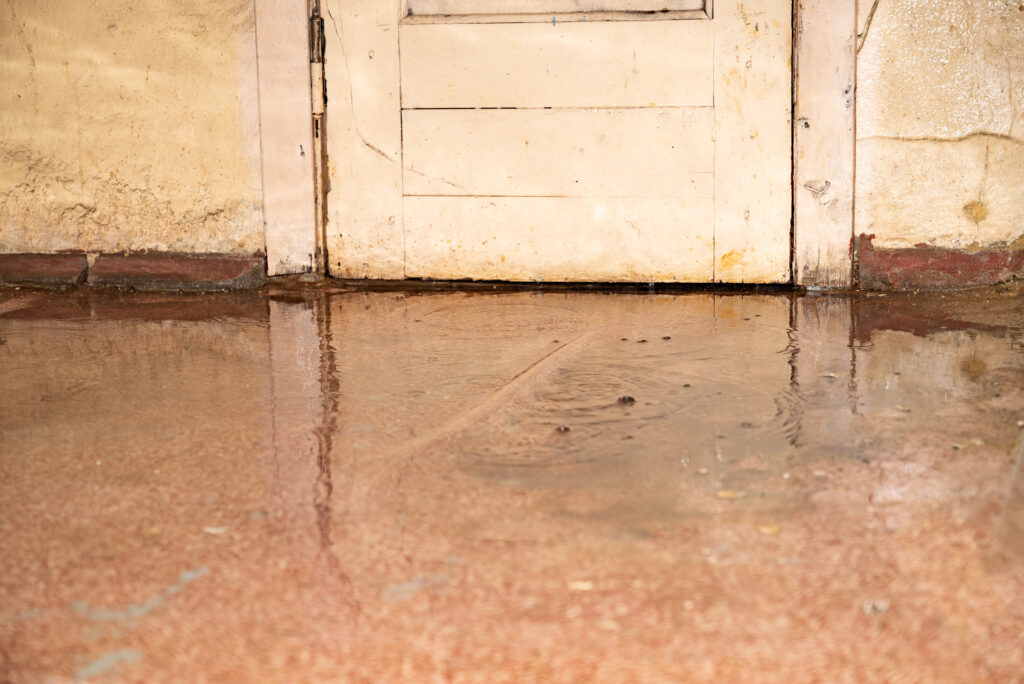
When you see water coming in basement where walls meet floor, it’s not just an inconvenience—it’s a red flag. That thin line between your basement wall and floor may look harmless, but it’s one of the most vulnerable points in your foundation. Once water finds its way in, it can spread fast, leading to mold, mildew, and structural damage. At Pressman Home Services, we’ve seen how quickly a damp basement turns into a major repair project, and we’re here to help homeowners protect their property before it’s too late.
Understanding Why Water Comes in at the Wall-Floor Joint
That small joint where the wall meets the floor is known as the cove joint, and it’s often the first place homeowners notice water coming in basement where walls meet floor. This happens because your home’s foundation sits in the soil, and when the ground becomes saturated from rain or melting snow, hydrostatic pressure builds up around your basement walls.
Imagine a sponge holding too much water—it starts to leak at its weakest point. The same principle applies to your basement. Water naturally seeks the path of least resistance, and that thin cove joint gives it the perfect entry point.
If you see dampness or a thin line of moisture along that edge after a storm, it’s your basement’s way of saying, “I need help.”
Common Causes of Water Coming in Basement Where Walls Meet Floor
Not all leaks are caused by the same issue. In our experience across Bucks County, Montgomery County, New Jersey, and parts of Philadelphia, the causes of water coming in basement vary depending on soil conditions, grading, and foundation type. Here are the most common culprits:
- Poor Drainage: When gutters overflow or downspouts discharge too close to your home, water pools near the foundation and seeps inside.
- Hydrostatic Pressure: Heavy rainfall or rising groundwater pushes against the walls, forcing moisture through tiny cracks.
- Cracked Foundation: Small fissures can form in your basement wall or floor, allowing water to trickle in right where they meet.
- Improper Grading: If the soil around your home slopes toward your house instead of away, it channels water straight to your foundation.
- Clogged or Missing Drain Tile Systems: Without a working drainage system beneath your basement floor, water has nowhere to go but in.
At first, you might only notice a damp smell or small puddle after a storm. But these are early warning signs that you need basement waterproofing before the issue grows.
The Hidden Dangers of Ignoring Basement Leaks
Ignoring water coming in basement where walls meet floor can have serious long-term consequences. Moisture may seem minor, but it’s the root of many expensive home problems.
Water damage doesn’t just stay in your basement. It travels—through concrete pores, insulation, and even framing. Once humidity increases, mold spores flourish. You might start noticing a musty odor, paint peeling off the walls, or wooden beams beginning to rot.
Beyond health concerns, trapped moisture weakens your foundation. Over time, concrete expands, cracks, and shifts under pressure. The result? Uneven floors, jammed doors, and costly structural repairs.
Think of your home like a tree. If the roots are compromised, the whole structure is at risk. Waterproofing your basement keeps those “roots” healthy and strong.
Proven Basement Waterproofing Solutions That Actually Work
At Pressman Home Services, we specialize in proven solutions for basement waterproofing that stop leaks at the source—not just on the surface. Depending on the cause and severity of the problem, our technicians may recommend one or more of the following:
- Interior Drainage Systems: A French drain installed beneath your basement floor redirects groundwater to a sump pump, safely channeling it outside.
- Sump Pump Installation: A powerful sump pump removes water buildup automatically, even during heavy rains.
- Crack Injection Sealing: Epoxy or polyurethane injections fill foundation cracks from the inside out, preventing new leaks from forming.
- Exterior Waterproofing: For persistent problems, we can seal the foundation from the outside with a durable membrane and new drainage tile system.
- Dehumidifiers and Moisture Barriers: Keeping humidity low reduces the risk of mold and improves indoor air quality.
Each basement is unique, so our process starts with a detailed inspection to pinpoint the exact reason for the leak. We never apply a one-size-fits-all approach—our goal is to waterproof your basement once, and make it last.
How to Waterproof a Basement and Prevent Future Water Damage
If you’ve spotted water coming in basement where walls meet floor, here’s what you can do right now:
- Inspect Gutters and Downspouts: Make sure they’re clear and draining at least 6–10 feet from your foundation.
- Check Grading Around Your Home: The soil should slope away from the house to divert rainwater.
- Seal Visible Cracks: Use waterproof epoxy or hydraulic cement for minor cracks—but only as a temporary fix.
- Run a Dehumidifier: This keeps humidity below 50% and discourages mold growth.
- Call a Professional Waterproofing Company: A certified team can identify hidden issues and recommend long-term solutions.
Homeowners sometimes try quick DIY fixes, but most find the problem returns after the next heavy storm. Professional basement waterproofing ensures that every layer—from the wall surface to the footing drain—is protected for years to come.
When to Call a Professional for Water Coming in Basement Issues
If you’ve noticed standing water, a persistent damp smell, or cracks widening along the cove joint, it’s time to call in the pros. Water coming in basement problems don’t resolve themselves—they worsen with every rainfall.
Our technicians use specialized tools to measure moisture levels, identify pressure points, and assess the full condition of your foundation. Once we know what’s causing the leak, we design a permanent repair plan tailored to your home.
Waiting too long can double your costs down the road. Fixing foundation damage after years of water intrusion is far more expensive than waterproofing early.
Why Homeowners in Bucks, Montgomery County, NJ, and Philadelphia Trust Pressman Home Services
When homeowners throughout Bucks County, Montgomery County, New Jersey, and Philadelphia need reliable help with water coming in basement where walls meet floor, they call Pressman Home Services.
We’re not just another basement waterproofing company—we’re neighbors who care about protecting local homes from water damage year-round. Our technicians are trained, insured, and committed to finding the right fix the first time. We use industry-leading materials, offer long-term warranties, and back our work with honest, transparent communication.
Our promise? A dry, healthy, waterproof basement you can trust for decades.
If you’ve spotted moisture, dampness, or that telltale line of water coming in basement where walls meet floor, don’t wait for the problem to grow. Contact Pressman Home Services today for an inspection and let us restore peace of mind—one dry basement at a time.