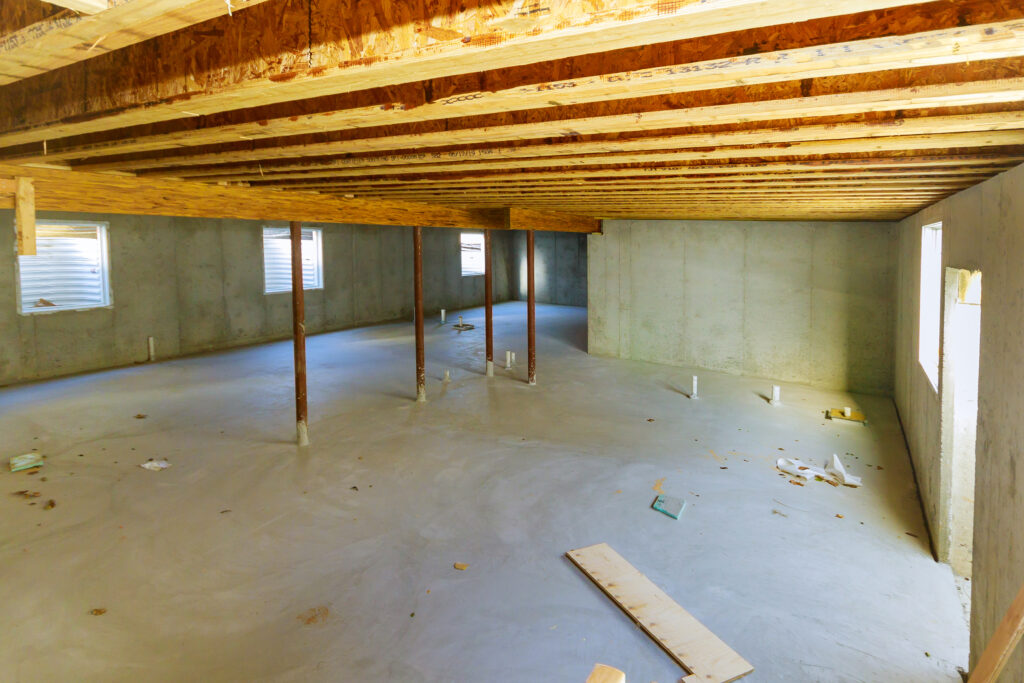
If you’re planning to finish your basement — add a home office, a playroom, or that extra bedroom you’ve been putting off — you’re probably thinking about flooring, lighting, and layout. What often gets skipped, though, is the step that should come before any of that: basement waterproofing before finishing basement spaces is not optional, it’s essential.
We’ve seen it happen more times than we’d like to count. A homeowner in Bucks County invests thousands into drywall, flooring, and recessed lighting — only to discover moisture seeping through the foundation walls six months later. Everything comes back out. The remodel starts over. And the waterproofing that should have happened first now costs more to do around a finished space.
What Does “Finishing a Basement” Actually Mean?
Finishing a basement means converting an unfinished, raw space into a livable, functional room — think framed walls, drywall, flooring, electrical, and sometimes plumbing. It’s one of the most valuable home improvement projects a homeowner can take on, often adding significant square footage and resale value to a property.
But here’s the thing: a basement is still a below-grade space. It sits below the waterline, surrounded by soil that absorbs rain, snowmelt, and groundwater. In our region — especially in Bucks and Montgomery Counties where clay-heavy soil is common — that ground holds moisture and pushes it toward your foundation constantly. Finishing over a basement that hasn’t been properly waterproofed is, in practical terms, building on an unstable foundation.
The finishing work itself — the framing, insulation, drywall, and flooring — creates layers that trap moisture and hide problems until they become serious. That’s why the conversation about waterproofing needs to happen before the first stud goes up.
Why Basement Waterproofing Before Finishing Basement Is Non-Negotiable
Skipping waterproofing to save time or money upfront is one of the most common — and costly — mistakes we see homeowners make. Basement waterproofing before finishing basement spaces isn’t just a precaution. It’s the foundation your entire remodel depends on.
Water Damage Can Ruin Your Finished Walls and Floors
Water doesn’t need a dramatic flood to cause damage. Slow, consistent moisture seeping through foundation cracks or rising through a concrete slab is enough to warp hardwood floors, bubble laminate, and rot the bottom plates of framed walls. By the time the damage is visible, it’s already extensive — and undoing a finished basement to fix it is a major undertaking that costs far more than the original waterproofing would have.
Mold Grows Behind Drywall — And You Won’t See It
This is the one that concerns us most. Mold doesn’t need much — just moisture, an organic material like drywall or wood framing, and a little time. In a finished basement with hidden moisture, those conditions are easy to meet. The problem is that mold growing behind drywall is completely invisible until it’s become a health hazard and spread well beyond what a simple wipe-down can fix. Proper waterproofing eliminates the moisture source before it ever gets a chance to become a mold problem.
It’s Far More Expensive to Fix After the Remodel
We understand the temptation to move forward and deal with moisture issues “if they come up.” But in our experience, they always come up — and fixing them after the fact means demolishing the finished space, addressing the waterproofing, and then rebuilding. You’re essentially paying for the remodel twice. Doing it right the first time, with a proper waterproof basement before remodel approach, is always the smarter investment.
Signs Your Basement Needs Waterproofing Before You Finish It
Before you start planning your basement remodel, take a close look at the space as it is right now. Your basement will often tell you exactly what it needs — if you know what to look for. Here are the four most common signs our team sees in homes across Bucks County, Montgomery County, and the surrounding PA and NJ areas.
Visible Cracks in the Foundation Walls
Not all cracks are created equal, but any crack in a foundation wall is worth taking seriously before you finish the space. Hairline cracks can allow moisture to seep through slowly over time. Wider horizontal or stair-step cracks can signal structural movement and active water intrusion. If you’re seeing cracks — even small ones — get them evaluated before a single piece of drywall goes up. Covering them with framing and insulation doesn’t make them go away. It just makes them harder to find later.
Musty Smell or Existing Mold
A persistent musty odor in your basement is one of the clearest signs that moisture is already present — even if you can’t see standing water or wet walls. That smell is often the early stage of mold growth, feeding on moisture that’s working its way through the concrete or collecting in low spots. If you’re noticing it now, finishing the basement will only concentrate and hide the problem. Address it first with a professional assessment and, if needed, mold remediation before waterproofing begins.
Water Stains or Efflorescence on Walls
White, chalky deposits on your basement walls — known as efflorescence — are a telltale sign that water has been moving through your foundation. It’s the mineral residue left behind as water evaporates after passing through concrete. Similarly, dark water stains along the base of walls or on the floor indicate past or ongoing moisture intrusion. These aren’t cosmetic issues. They’re evidence of a water pathway that needs to be sealed before you invest in a finished space.
Sump Pump That Runs Constantly
A sump pump that cycles frequently — especially during or after rain — is doing its job, but it’s also telling you that your basement is actively managing a significant amount of groundwater. That’s not a system you want to rely on alone beneath a finished basement. If your sump pump is working overtime, it’s a sign that your waterproofing system may need to be upgraded or expanded before finishing work begins. Our team often finds that adding an interior drainage system alongside a sump pump upgrade gives homeowners the peace of mind they need before moving forward with a remodel.
What Basement Waterproofing Before Finishing Involves
When homeowners ask us what the waterproofing process actually looks like, we walk them through the main solutions we use — because the right approach depends on what your specific basement needs. Here’s what a comprehensive waterproof basement before remodel plan may include:
- Interior Waterproofing Systems — A drainage channel is installed along the interior perimeter of the basement floor, directing water to a sump pump before it can accumulate. This is one of the most reliable and commonly recommended solutions for finished basements because it manages water even if it does find a way in.
- Exterior Waterproofing — This involves excavating around the foundation to apply a waterproof membrane directly to the outside of the walls, stopping water before it ever makes contact with your foundation. It’s a more involved process but provides excellent long-term protection, especially for homes with significant water pressure from clay-heavy soils.
- French Drain Installation — A French drain redirects groundwater away from the foundation before it builds up and pushes against your walls. It works in combination with other systems and is particularly effective in our region where soil drainage can be poor.
- Sump Pump Installation or Upgrade — A properly sized, functioning sump pump is the last line of defense in any waterproofing system. We assess whether your existing pump is adequate for the water volume your basement manages and upgrade or install a new system when needed — including battery backup options for peace of mind during power outages.
Why Hire a Professional Basement Waterproofing Service?
There’s no shortage of DIY waterproofing products at the hardware store — sealants, paints, patch kits. And while some of those have their place for very minor surface issues, they are not a substitute for a professional basement waterproofing service when you’re preparing to finish a basement. Here’s why working with a licensed, experienced team makes all the difference.
Licensed and Insured Expertise
Waterproofing work that involves drainage systems, sump pump installation, or exterior excavation is serious construction work — and in Pennsylvania and New Jersey, it should be performed by a licensed contractor. In PA, home improvement contractors are required to register with the Attorney General’s Office under the Home Improvement Consumer Protection Act (HICPA). In NJ, contractors must be registered with the Division of Consumer Affairs under the New Jersey Contractor’s Registration Act. At Pressman Home Services, we are fully licensed, bonded, and insured — which means you’re protected, and the work meets the standards required in our region.
Beyond the credentials, our team brings years of hands-on experience diagnosing and solving the specific water problems that affect homes in Bucks County, Montgomery County, and surrounding areas. When our owners are onsite — which they always are — they’re drawing on real-world knowledge that a YouTube tutorial simply can’t replicate.
Warranty-Backed Work
A professional basement waterproofing service stands behind its work in a way that a DIY patch never can. At Pressman Home Services, our waterproofing solutions come with warranty-backed guarantees covering both materials and labor. That matters enormously when you’re about to invest thousands of dollars into finishing the same space. You want to know the waterproofing underneath is built to last — not something you’ll be revisiting in two years.
Local Knowledge of Soil and Water Conditions
This is something that genuinely sets a local, community-rooted team apart from a national chain or a general contractor who doesn’t specialize in waterproofing. The soil conditions in Bucks and Montgomery Counties — heavily clay-based in many areas — create specific drainage challenges that directly affect how water behaves around and beneath your foundation. Clay soil retains water rather than draining it, which means hydrostatic pressure builds up against basement walls more aggressively here than in regions with sandier soil. Our team understands these regional conditions intimately, and we design waterproofing systems that account for them — not generic solutions that look good on paper but miss what’s actually happening in the ground around your home.
Frequently Asked Questions About Basement Waterproofing Before Finishing
Can I finish my basement without waterproofing first?
Technically yes, but it’s a costly gamble. Without proper basement waterproofing before finishing basement spaces, moisture will eventually penetrate walls and floors, leading to mold growth behind drywall and damage to flooring — repairs that often cost more than the original waterproofing would have. We always recommend getting a professional inspection before any finishing work begins, even if your basement appears dry.
How do I know if my basement is waterproofed already?
Look for signs like a visible interior drainage system, a working sump pump, sealed foundation walls, and no water stains or musty odors. If you’re unsure, a professional inspection is the safest way to confirm before starting any finishing work. Many homes in our service area — particularly older housing stock in Bucks and Montgomery Counties — were built without any waterproofing system at all, so it’s always worth verifying before you assume the work was done.
How long after waterproofing can I start finishing my basement?
Most professionals recommend waiting at least 24–48 hours after interior waterproofing work, though exterior systems may require longer drying and settling time. Your contractor will give you a specific timeline based on the work done. At Pressman Home Services, our team walks every homeowner through exactly what to expect after the job is complete — including when it’s safe to begin the next phase of your remodel.
Pressman Home Services — Waterproofing Done Right Before Your Remodel
If you’re planning to finish your basement, don’t let moisture problems become an expensive afterthought. The time to address waterproofing is before the framing goes up, before the drywall goes in, and before you’ve invested in flooring and fixtures that moisture can destroy.
At Pressman Home Services, we’ve helped homeowners across Bucks County, Montgomery County, Chester County, and surrounding parts of Pennsylvania and New Jersey get their basements truly ready for finishing — with waterproofing solutions that are built to last, backed by warranty, and installed by a team that’s onsite from start to finish. No subcontractors. No shortcuts. Just honest, hands-on work done right the first time.
Whether your basement has visible signs of moisture or you simply want to be sure before you remodel, our team is here to help. We offer free inspections so you can move forward with confidence — knowing the space beneath your home is protected before a single stud goes up.
When you’re ready to take the next step, reach out through our contact page, and our team will get back to you promptly. Let’s make sure your basement remodel starts on solid — and dry — ground.