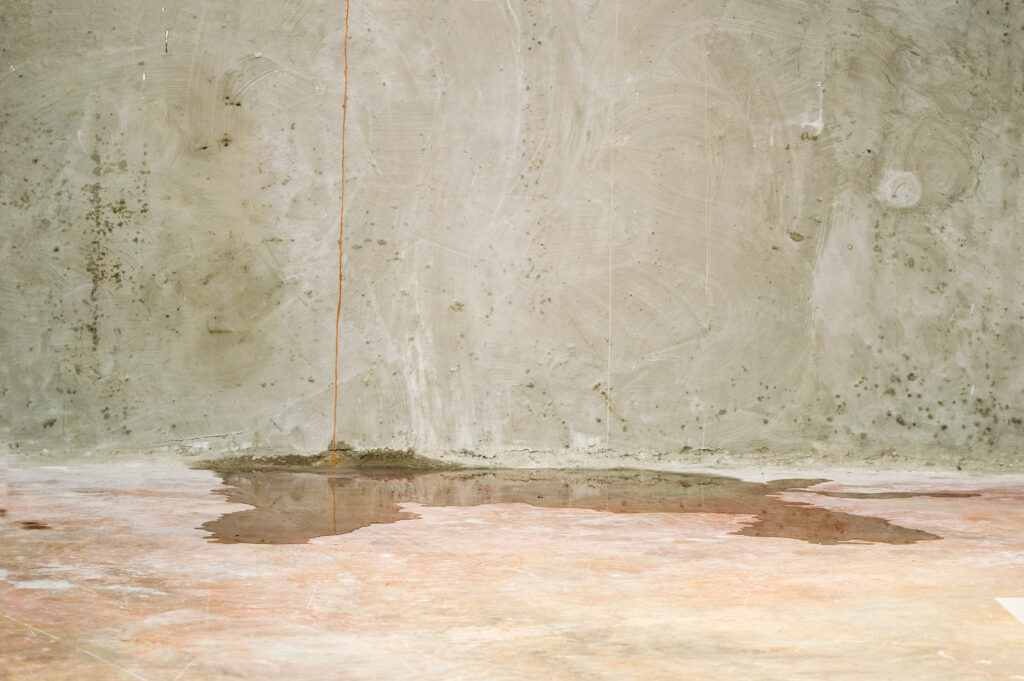
A wet basement is every homeowner’s nightmare. You might notice damp spots, mysterious puddles, or even a musty smell that just won’t go away. But can water come up through concrete basement floor surfaces? The short answer is yes—and it happens more often than you might think.
In this article, we’ll explore what causes this issue, how to fix a water leak under a concrete floor, and what you can do to protect your home. Keep reading to learn how to keep your basement dry and avoid long-term damage.
Can Water Come Up Through Concrete Basement Floor?
Yes, water can come up through a concrete basement floor. Even though concrete appears solid, it’s actually a porous material, meaning moisture can pass through it. If there is enough water pressure beneath your home, that moisture can rise up through the concrete and create damp spots, puddles, or even flooding in severe cases.
Many homeowners believe that if their basement floor doesn’t have visible cracks, it must be waterproof—but that’s not always the case. Water can still seep through microscopic pores in the concrete, especially when hydrostatic pressure (the force of water pressing against the foundation) is high.
Common signs that water is coming up through your basement floor include:
- Unexplained damp spots or puddles
- A musty, mildew-like smell
- White, chalky residue on the concrete (efflorescence)
- Warped or damaged flooring (if you have carpet or tile installed)
Ignoring basement moisture can lead to bigger problems, such as mold growth, structural damage, and increased humidity throughout your home. In the next section, we’ll discuss what causes water to come up through a concrete floor and how to prevent it.
What Would Cause Water to Come Up Through a Concrete Floor?
If you’ve noticed water seeping up through your basement floor, you’re probably wondering why it’s happening. While concrete looks solid, it’s actually full of tiny pores that can allow moisture to pass through. But what would cause water to come up through a concrete floor in the first place? Here are the most common culprits:
1. Hydrostatic Pressure
One of the biggest reasons water comes up through a concrete basement floor is hydrostatic pressure. When it rains heavily or when snow melts, the groundwater level rises. If the soil around your home is saturated with water, that water pushes against your foundation. If there are any cracks, weak spots, or even microscopic openings, water will force its way inside.
2. Poor Drainage Around the Home
Your home’s drainage system plays a major role in keeping your basement dry. If your gutters, downspouts, or exterior drainage systems aren’t working properly, water will collect around your foundation. Over time, this increases the likelihood of moisture seeping through your basement floor.
3. High Water Table
If your home is built in an area with a high water table, you may experience frequent basement moisture issues. A high water table means that groundwater is naturally closer to the surface. After heavy rain, the pressure increases, and water may find its way up through your basement floor.
4. Cracks in the Basement Floor
Even the smallest cracks in your concrete floor can allow water to seep in. These cracks can form due to foundation settling, temperature changes, or simple wear and tear over time. Water can easily travel through these openings, leading to damp spots or even standing water.
5. Lack of a Vapor Barrier
A vapor barrier is a protective layer installed beneath a concrete floor to block moisture from rising. If your basement floor was built without one—or if it has deteriorated—moisture from the soil can make its way through the concrete and into your basement.
6. Plumbing Leaks
Sometimes, the water coming up through your basement floor isn’t from the outside—it’s from a plumbing leak underneath your home. A broken pipe beneath the slab can cause water to accumulate and rise through your basement floor.
How Do You Know If This Is Happening?
Some signs that water is coming up through your concrete basement floor include:
- Damp spots or puddles that appear after rain
- A musty or mildew smell
- White, chalky residue (efflorescence) on the concrete
- Warping or buckling floors (if you have carpet or laminate installed)
If you notice any of these signs, don’t wait—water issues in your basement can lead to mold growth, structural damage, and costly repairs. In the next section, we’ll explore how to fix the problem and keep your basement dry.
How Do You Fix a Water Leak Under a Concrete Floor?
If you’ve confirmed that water is seeping up through your basement floor, the next step is finding the best way to fix the problem. The right solution depends on the cause—whether it’s groundwater pressure, cracks in the concrete, poor drainage, or a hidden plumbing leak. Below are the most effective ways to stop water from coming up through your basement floor and keep your home dry.
1. Install a Sump Pump to Remove Excess Groundwater
A sump pump is one of the best defenses against basement water problems caused by hydrostatic pressure or a high water table. A sump pump is installed in a pit at the lowest point of your basement floor, where it collects water and pumps it away from your foundation before it can seep through the concrete.
🔹 Best For: Homes with frequent basement moisture after heavy rain or homes in areas with a high water table.
🔹 How It Works:
- A sump pit is dug into the basement floor.
- Water naturally drains into the pit instead of seeping into your basement.
- The pump automatically turns on when the pit fills and sends water away from your home.
2. Improve Exterior Drainage
If water is pooling around your foundation, fixing your exterior drainage can prevent moisture from seeping through the basement floor.
🔹 Steps to Improve Drainage:
- Extend downspouts at least 6–10 feet away from your home.
- Clean gutters regularly to prevent overflow near your foundation.
- Regrade the soil around your home so that water naturally drains away instead of pooling near the basement walls.
- Install a French drain (a trench filled with gravel and a perforated pipe) to redirect groundwater.
3. Seal Cracks in the Basement Floor
Even small cracks in a concrete basement floor can allow water to seep through. Sealing these cracks can help prevent moisture from rising.
🔹 How to Seal Basement Floor Cracks:
- Use hydraulic cement to patch visible cracks. It expands as it dries, creating a waterproof seal.
- Apply a basement waterproofing sealant over the entire floor to add an extra layer of protection.
- Monitor for new cracks—if they keep appearing, you may have a larger foundation issue that needs professional attention.
4. Install a Vapor Barrier or Waterproof Membrane
If your basement floor lacks a vapor barrier, adding one can prevent moisture from rising through the concrete. This is especially important if you plan to finish your basement with carpet, wood, or tile.
🔹 Best Options for Basement Floor Waterproofing:
- Polyethylene Vapor Barrier: A plastic sheet installed beneath new flooring.
- Concrete Waterproofing Coatings: A brush-on or roll-on sealant that penetrates concrete and blocks moisture.
- Epoxy or Polyurethane Sealers: Stronger than traditional coatings, these create a waterproof, chemical-resistant surface.
5. Fix Plumbing Leaks Beneath the Slab
If a hidden plumbing leak is causing water to seep through your basement floor, the only real solution is to repair or replace the broken pipe.
🔹 Signs of a Slab Leak:
- Water appearing in the same spot regardless of the weather.
- Unexplained increases in your water bill.
- A warm spot on the floor (common with hot water leaks).
🔹 How to Fix It:
- A professional plumber can use leak detection equipment to find the exact source of the leak.
- Depending on the severity, repairs may involve cutting into the concrete to replace the damaged pipe or using trenchless repair methods to fix the leak without excavation.
6. Consider Interior Drainage Solutions
If water consistently seeps up through the floor, installing an interior drainage system can help collect and redirect water before it reaches the surface.
🔹 Two Common Solutions:
- Interior French Drain: A perforated pipe is installed along the perimeter of the basement floor to channel water to a sump pump.
- Drain Tiles: A system of underground pipes that collect groundwater and direct it away from the foundation.
Keep Your Basement Dry with Pressman Home Services
So, can water come up through concrete basement floor? Yes, and if left unchecked, it can lead to serious problems like mold growth, structural damage, and expensive repairs.
At Pressman Home Services, we specialize in basement waterproofing, sump pump installation, crack repair, and plumbing leak detection. If you’re tired of battling moisture in your basement, our team can provide the best solutions to stop water from coming up through your basement floor.
Don’t let water damage ruin your home! If you suspect moisture problems, contact Pressman Home Services today. We’ll inspect your basement, identify the root cause, and provide a reliable, long-term fix.