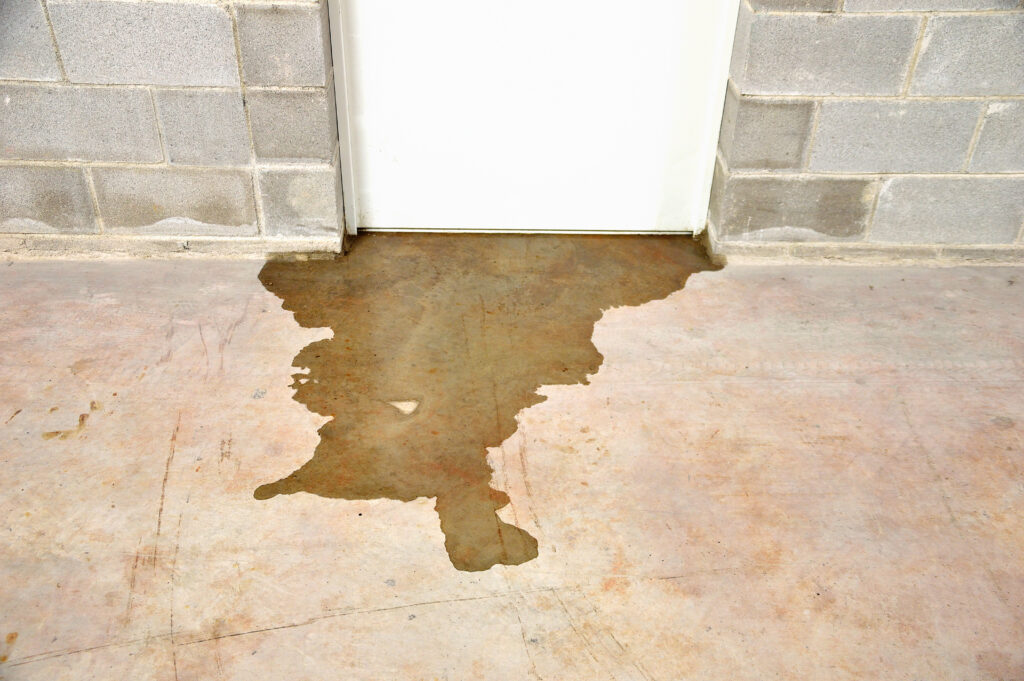
A wet basement is every homeowner’s nightmare. You come downstairs after a heavy rainstorm, and there it is—water creeping in through the basement door. The smell of dampness, the risk of mold, and potential damage to your foundation can quickly turn a small leak into a major problem.
If you’re dealing with this issue, you’re probably searching for how to stop water from coming in basement door once and for all. The good news? There are solutions. Whether it’s sealing cracks, improving drainage, or installing a proper barrier, you can take steps to protect your home and keep your basement dry.
Common Causes of Water Leaking Through a Basement Door in Pennsylvania
Pennsylvania homeowners know that the weather can be unpredictable. With heavy spring rains, summer storms, and winter snowmelt, keeping your basement dry is a year-round challenge. If water is seeping in through your basement door, understanding the root cause is the first step in stopping it for good.
Here are some of the most common reasons water enters through basement doors in Pennsylvania homes:
1. Poor Drainage Around the Foundation
Pennsylvania’s clay-heavy soil tends to hold water, which can create drainage issues. If the ground around your basement door slopes toward your house instead of away from it, rainwater will naturally flow into your entryway, putting pressure on doors and foundation walls.
2. Clogged or Inefficient Gutters and Downspouts
Pennsylvania’s autumn is beautiful, but all those falling leaves can clog your gutters. When gutters overflow, water spills over the edges and pools around your basement entrance. If your downspouts are too short or blocked, they won’t direct water far enough from your home, increasing the risk of leaks.
3. Worn or Damaged Weather Stripping
Many older Pennsylvania homes have basement doors that aren’t sealed properly. Over time, weather stripping cracks, peels, or wears away, allowing water to seep inside during heavy storms.
4. Cracks in the Concrete or Foundation
Freezing temperatures in winter cause concrete to expand and contract. Over time, this leads to cracks in the foundation or basement steps where water can easily seep in. If water is getting through even when it’s not raining heavily, foundation cracks might be the culprit.
5. Faulty or Low Basement Door Threshold
If your basement door sits too low or lacks a proper threshold, water can flow in every time it rains. This is especially common in Pennsylvania homes with walkout basements or exterior stairwells.
6. Poorly Sealed Bulkhead Doors
Many Pennsylvania homes, especially older ones, have metal bulkhead doors leading to the basement. If the seals on these doors are worn out or rusted, rainwater can easily leak inside.
7. Hydrostatic Pressure from Heavy Rains
Pennsylvania is no stranger to heavy rainfall, especially in the spring and summer. When the soil around your home becomes saturated, the water pressure pushes against your basement walls and doors, forcing moisture inside.
How to Stop Water from Coming in Basement Door
If you’re searching for how to stop water from coming in basement door, it’s important to take action before the problem gets worse. Water intrusion can lead to mold, structural damage, and costly repairs. While some homeowners attempt temporary fixes, the best long-term solutions often require professional intervention.
Here are a few initial steps to help minimize water intrusion while you consider a more permanent fix:
1. Improve Drainage Around Your Basement Door
Water should always flow away from your house, not toward it. If water pools around your basement entrance after a rainstorm, drainage issues may be to blame.
- Regrade the soil so that it slopes away from your home, helping water drain in the right direction.
- Install a trench drain at the base of your basement door to divert rainwater before it seeps inside.
- Extend downspouts to direct water at least six feet away from your foundation.
2. Seal Gaps and Cracks Around the Door
Water can seep through even the smallest openings, so ensuring a tight seal around your basement door is essential.
- Replace old or worn-out weather stripping to create a watertight barrier.
- Apply a waterproof sealant around door frames and any visible cracks.
- Install a heavy-duty door sweep at the bottom of your basement door to block water entry.
3. Check for Foundation or Concrete Cracks
Pennsylvania’s freeze-thaw cycles can cause cracks in basement steps, concrete entryways, and foundation walls, allowing water to penetrate.
- Inspect the concrete around your basement entrance for visible cracks.
- Fill minor cracks with hydraulic cement, which expands to create a waterproof seal.
- Consider professional foundation repair if cracks are widening or allowing consistent water intrusion.
4. Upgrade the Basement Door and Threshold
Some basement doors, especially older bulkhead doors, are not designed to withstand heavy rain. If water continues to seep inside, upgrading the door may be necessary.
- Install a new basement door with a watertight threshold to prevent leaks.
- Choose a door with a sloped design to help rainwater run off instead of collecting at the entrance.
- Consider adding a covered entryway or awning to reduce direct exposure to rain and snow.
5. Prevent Water Buildup with a Sump Pump or Drain System
If water intrusion is a recurring problem, a more advanced drainage solution may be required.
- A sump pump can remove excess water before it accumulates inside your basement.
- A French drain system can redirect water away from your foundation.
- A professional waterproofing service can assess your home’s drainage needs and recommend a long-term solution.
Even with these preventative measures, persistent basement leaks require professional attention. The next section will cover expert solutions that can permanently resolve water intrusion issues.
Professional Solution to Stop Water from Coming in Basement Door for Good
When water keeps finding its way into your basement, it’s time to call in the professionals. Pennsylvania’s climate—with its heavy rains, melting snow, and clay-heavy soil—creates unique challenges for basement waterproofing. A permanent solution requires expert assessment and the right materials to stop leaks for good.
Here’s how professional basement waterproofing can protect your home from water damage:
1. Exterior Waterproofing Solutions
Stopping water before it reaches your basement door is one of the most effective ways to prevent leaks. Professional waterproofing services can reinforce your home’s exterior with long-lasting protection.
- Excavation and Waterproof Membranes: A professional can apply a waterproof barrier to the foundation walls, preventing water from penetrating the basement.
- Grading and Drainage Correction: Proper soil grading ensures water flows away from your home instead of pooling near your basement entrance.
- Extended Downspouts and Gutter Upgrades: Professionals can install underground extensions or a more advanced drainage system to keep rainwater away.
2. French Drain Installation
A French drain is a trench filled with gravel and a perforated pipe that directs excess groundwater away from your foundation. This solution works well for Pennsylvania homes with frequent water accumulation near basement doors.
- A professional installer will dig a trench at the lowest point near your basement door.
- The drain system is installed to collect and divert water to a safe drainage area.
- A proper installation ensures long-term water management and prevents foundation damage.
3. Basement Door and Bulkhead Replacement
If your basement door is outdated or poorly sealed, replacing it with a watertight option can make all the difference.
- Upgraded Bulkhead Doors: New steel or fiberglass bulkhead doors provide a better seal against heavy rain.
- Sealed Exterior Stairwell Doors: A professionally installed basement door with a raised threshold prevents direct water intrusion.
- Properly Installed Door Flashing and Weather Barriers: Expert installation ensures no gaps exist where water can enter.
4. Sump Pump Installation for Interior Waterproofing
If water is frequently collecting inside your basement, a sump pump can actively remove excess moisture before it causes damage.
- A professional will install a sump pit at the lowest point of your basement.
- The sump pump automatically activates when water levels rise, pumping water away from your home.
This solution is especially useful for Pennsylvania homeowners with high groundwater levels or frequent basement flooding.
5. Crack and Foundation Repair
Cracks in foundation walls or basement floors can allow persistent water intrusion. Professionals use advanced materials to create a permanent seal.
- Epoxy or Polyurethane Injections: These materials fill cracks and expand to prevent further water seepage.
- Masonry Waterproofing Coatings: A professionally applied waterproof coating adds an extra layer of protection.
- Structural Reinforcement for Severe Damage: If cracks indicate foundation shifting, reinforcement solutions may be necessary.
6. Professional Interior Waterproofing Systems
For Pennsylvania homes with chronic basement leaks, a full interior waterproofing system can keep water out permanently.
- Interior Drainage Channels: A hidden drainage system along basement walls collects and redirects water.
- Waterproof Wall and Floor Sealants: Special coatings help keep moisture from seeping through concrete.
- Dehumidification and Ventilation Upgrades: Keeping humidity levels low prevents mold growth and further water damage.
Why Professional Waterproofing is the Best Long-Term Solution
Temporary fixes like weather stripping and caulking may help for a short time, but professional waterproofing provides a permanent solution. Investing in expert repairs protects your home’s foundation, prevents costly water damage, and ensures your basement stays dry year-round.
Protect Your Basement with Pressman Home Services
If you’ve been searching for how to stop water from coming in basement door, you now know that professional solutions are the best way to keep your home safe from water damage. But finding a reliable contractor who understands Pennsylvania’s climate and soil conditions is just as important as choosing the right waterproofing method. That’s where Pressman Home Services comes in.
Don’t wait until your basement floods again—take action today. The longer water seeps in, the greater the risk of mold, structural damage, and costly repairs.