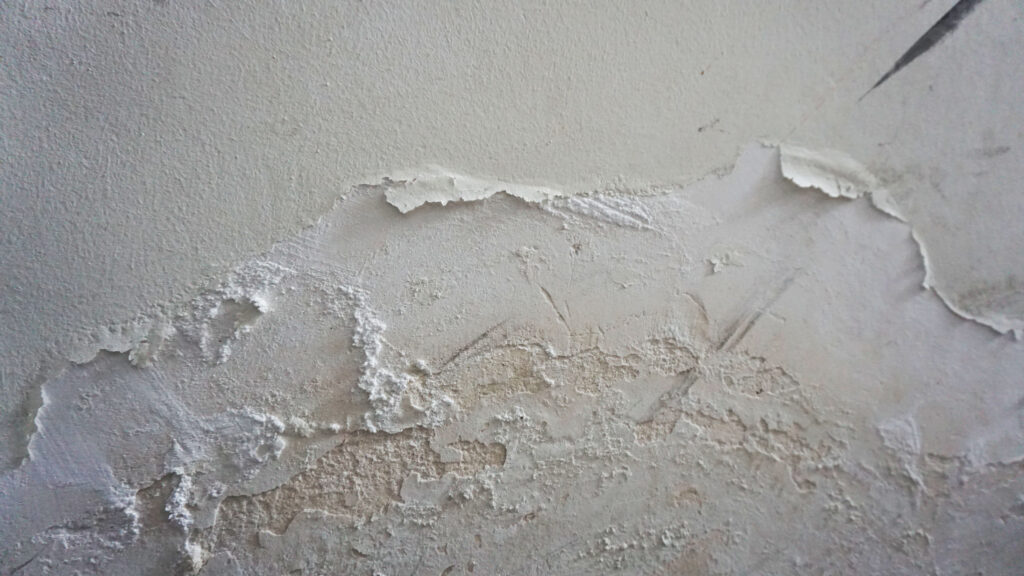
There’s a moment no homeowner wants—stepping into the basement and being met with that unmistakable musty smell. Maybe it’s a visible water stain creeping along the wall, or worse, actual droplets forming on the concrete. That, right there, is moisture in the basement—and it’s more than just an annoyance. Left unchecked, it can lead to mold growth, crumbling walls, and thousands in repair bills.
If you’ve found yourself searching for how to get rid of moisture in basement walls, you’re not alone. It’s one of the most common concerns for homeowners in areas like ours, where weather and foundation styles make basements especially vulnerable. But the good news? This is a solvable problem.
What Causes Moisture in Basement Walls?
Moisture in basement walls doesn’t just appear out of nowhere—it’s a symptom of something deeper. Think of it like your basement waving a white flag, asking for help. The first step in solving the problem is knowing where it comes from.
Hydrostatic Pressure
When the ground around your home becomes saturated—either from rain, melting snow, or poor drainage—the water starts to press against your basement walls. This is called hydrostatic pressure. Over time, that pressure forces water through even the tiniest cracks in the foundation.
Poor Grading Around the Home
If your landscaping slopes toward your house instead of away from it, rainwater naturally flows toward your foundation. That water builds up at the base, seeps in, and you end up with moisture in the basement that seems to appear overnight.
Ineffective or Clogged Gutters
Gutters and downspouts that are clogged or broken can’t channel water away from your home. Instead, the water overflows and pools around the foundation. From there, it’s a short trip through the porous concrete of your basement walls.
Interior Sources
Sometimes the culprit is inside the house. Dryer vents, humidifiers, or even basement showers and laundry rooms can pump out humidity that clings to cool walls, creating that wet, clammy feeling.
How to Detect Moisture in Basement Walls Early
The sooner you catch the problem, the less expensive it is to fix. Here are some telltale signs that your basement walls are holding onto more water than they should.
The Sniff Test
That earthy, damp odor is often the first sign. You know the smell—the one that makes you wrinkle your nose and ask, “What died in here?” That’s mold and mildew, thriving on moisture in basement walls.
Efflorescence
This one sounds fancy, but it’s easy to spot: white, chalky residue on your basement walls. It’s the result of minerals left behind when water evaporates. A sure sign that water’s been coming through.
Paint Peeling or Bubbling
If your basement walls are painted and the paint is flaking, cracking, or bubbling, moisture is likely pushing its way through from behind.
Visible Dampness or Stains
You might see dark spots, streaks, or full-on puddles. These aren’t just eyesores—they’re symptoms.
How to Get Rid of Moisture in Basement Walls: DIY and Pro-Level Fixes
Now that you’ve identified the problem, let’s talk solutions. Here’s how to get rid of moisture in basement walls using practical steps you can start today—plus a look at when it’s time to call in professionals like Pressman Home Services.
Step 1: Improve Drainage Outside
Start by looking at your gutters, downspouts, and landscaping.
- Clean your gutters every season to prevent overflow.
- Extend downspouts at least 6 feet away from your foundation.
- Regrade the soil so it slopes away from your house—ideally a drop of 1 inch per foot for at least 6 feet.
Step 2: Seal Small Cracks and Gaps
For minor leaks, waterproofing compounds can be applied directly to walls.
- Use hydraulic cement to patch cracks—this expands as it sets, sealing the gap tight.
- Apply waterproof paint or masonry sealant. These form a moisture barrier and are great for short-term fixes.
However, this only works if the wall is dry first—if the moisture is still coming in, it’s time to dig deeper.
Step 3: Dehumidify and Ventilate
If your moisture in basement issues come from inside sources like appliances or just poor air circulation, a dehumidifier can be a game-changer.
- Run a basement dehumidifier during humid months.
- Install proper ventilation in laundry rooms and bathrooms.
- Consider a whole-home humidity control system if the problem is widespread.
Step 4: Interior Drainage Systems
If the problem is more serious, you may need a French drain or a sump pump.
- Interior French drains collect water from the base of the wall and direct it to a sump pit.
- Sump pumps then move that water safely out of the basement.
This system is especially helpful if you’re seeing puddles or standing water on a regular basis.
Step 5: Exterior Waterproofing
This is the gold standard—and a service Pressman Home Services proudly offers. It involves:
- Excavating around the foundation.
- Cleaning and sealing the exterior walls.
- Installing a waterproof membrane and exterior French drain.
While it’s the most labor-intensive option, it’s also the most permanent.
How to Prevent Moisture from Coming Back
Once you’ve handled how to get rid of moisture in basement walls, the next step is making sure it stays gone.
Maintain Regular Inspections
Check for cracks, pooling water, and musty odors once a season—especially after heavy rains.
Keep Gutters and Downspouts in Shape
Clogged gutters are one of the fastest ways to invite water right back in. Set a schedule to clear them and check their alignment.
Use Moisture-Resistant Materials
If you’re remodeling your basement, opt for mold-resistant drywall, waterproof flooring, and moisture-blocking paints. They may cost a bit more, but they’ll save you thousands down the line.
When to Call the Pros
DIY fixes are great for small problems, but if you’ve got any of the following, it’s time to bring in experts:
- Recurring puddles even after sealing and drainage improvements.
- Mold that keeps returning despite cleaning.
- Cracks that seem to be growing over time.
- A finished basement with carpeting or drywall that’s been affected.
At Pressman Home Services, we don’t just patch the problem—we solve it at the source. Our team specializes in basement waterproofing, foundation sealing, and moisture control systems that protect your home from the ground up.
We know how frustrating it is to fight the same issue over and over again. That’s why our process starts with a detailed inspection and ends with a dry, comfortable basement you can trust.
If you’re serious about finding out how to get rid of moisture in basement walls once and for all, let us show you the Pressman difference.
Get in touch with Pressman Home Services today—and take the first step toward a basement that feels like a bonus room, not a dungeon. Let’s dry things out—for good.