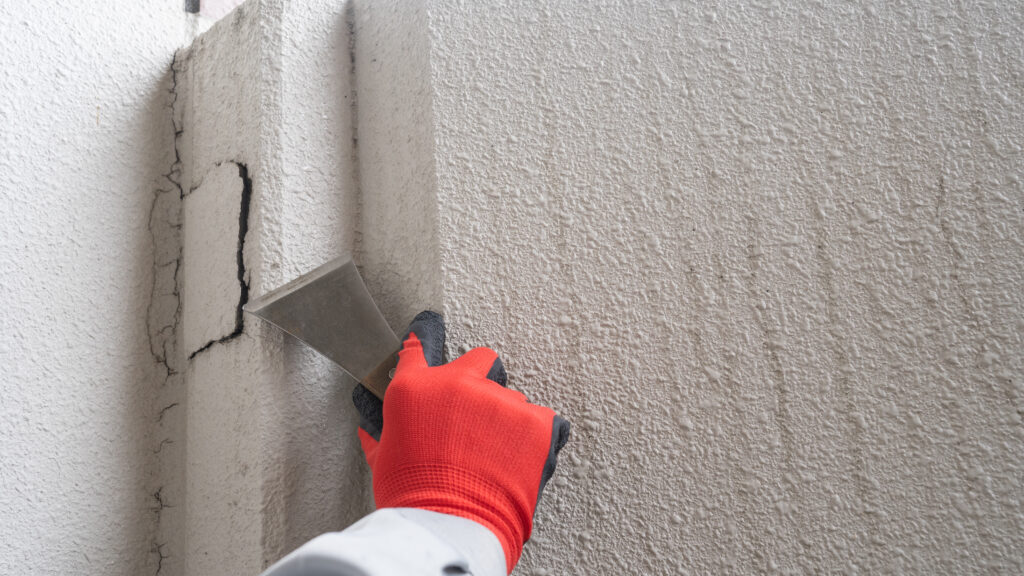
Peeling basement walls are a common and frustrating issue for homeowners. Not only do they compromise the appearance of your basement, but they can also signal deeper problems, such as moisture intrusion or structural issues. Ignoring these warning signs can lead to costly repairs down the line. In this comprehensive guide, we’ll explore what peeling basement walls mean, why they occur, and why calling a professional is often the best solution.
Peeling Basement Walls: What Is It?
Peeling basement walls refer to a condition where the paint, sealant, or surface layer of your basement walls begins to bubble, crack, or flake away. This issue is particularly common in older homes or those located in areas with high humidity or frequent rainfall.
But why does this happen? The primary culprit is moisture. Basement walls, often made of concrete or cinder blocks, are porous and susceptible to water infiltration. Whether it’s groundwater pressure, condensation, or leaks, moisture works its way through the walls, breaking down the adhesive bond between the paint and the wall.
Signs of peeling basement walls include:
- Blistering or bubbling paint.
- Efflorescence (a white, powdery residue).
- Visible cracks or damp spots.
- Flaking paint layers that fall to the floor.
These symptoms shouldn’t be ignored. While they might seem like minor cosmetic issues, peeling walls are often the first visible sign of a more serious problem.
How to Fix Paint Peeling Off Concrete Walls
Fixing paint that’s peeling off your concrete basement walls isn’t as simple as slapping on a new coat of paint. Without addressing the underlying issues, you’ll only delay the inevitable recurrence. Here’s how the process typically unfolds:
Diagnose the Problem
Determine the root cause of the moisture. Is it due to hydrostatic pressure from groundwater? Poor drainage around your home? A plumbing leak? A thorough inspection is key.
Remove the Peeling Paint
Use tools like a wire brush, paint scraper, or power washer to remove all loose and flaking paint. This step ensures that the new paint will adhere properly.
Clean and Treat the Surface
Clean the walls with a mixture of water and mild detergent. For efflorescence, use a solution of white vinegar and water. After cleaning, allow the walls to dry completely—this can take several days, depending on humidity levels.
Seal Cracks and Gaps
Inspect the walls for cracks, holes, or gaps that could allow water to seep through. Use a concrete patching compound to seal these imperfections.
Apply a Waterproofing Primer
A waterproofing primer creates a barrier between the wall and external moisture. It also improves the adhesion of the final paint layer.
Repaint with Specialty Paint
Choose a paint specifically designed for basement walls. Look for waterproof or masonry paints, which can withstand high levels of moisture and resist mold growth.
Does Peeling Paint Always Mean Mold?
Not necessarily, but it does indicate that conditions are ripe for mold growth. Mold thrives in damp, dark environments—exactly what a moist basement provides. Peeling paint can act as an early warning sign that your basement’s environment is becoming hazardous.
If left unchecked, mold can:
- Damage the structural integrity of your home.
- Create unpleasant odors.
- Lead to health issues such as allergies, asthma, or respiratory infections.
If you suspect mold is present, it’s crucial to address both the mold and its underlying cause. Mold remediation is a job best left to professionals, who have the tools and expertise to eliminate mold safely and thoroughly.
Basement Waterproofing in Bucks County: The Solution to Peeling Basement Walls
For residents in Bucks County, peeling basement walls are a common problem due to the region’s climate and soil conditions. The best solution? Professional basement waterproofing. Companies like Pressman Home Services specialize in diagnosing and fixing these issues at their root.
What Professional Waterproofing Entails
- Comprehensive Inspection
Experts assess your basement for signs of water intrusion, such as peeling paint, cracks, and efflorescence.
1. Interior Waterproofing Solutions
This might include installing sump pumps, applying waterproof coatings, or installing vapor barriers to prevent moisture from seeping in.
2. Exterior Waterproofing Solutions
By addressing issues like poor grading or clogged gutters, professionals ensure water is diverted away from your home. This may involve installing French drains or sealing your home’s foundation from the outside.
3. Mold Remediation
If mold is present, professionals can safely remove it and take steps to prevent its return.
Why DIY Isn’t the Best Option
While DIY fixes might seem like a cost-effective solution, they often address only the symptoms rather than the cause of peeling basement walls. Without the right tools and expertise, you risk:
- Recurring moisture problems.
- Worsening structural damage.
- Spending more in the long run on repairs.
Professional waterproofing companies not only fix the current issue but also implement preventative measures to ensure your basement stays dry for years to come.
Peeling basement walls are more than just an aesthetic concern—they’re a red flag that should never be ignored. Whether it’s a sign of excessive moisture, structural issues, or potential mold growth, addressing the problem promptly is crucial. While DIY fixes might offer temporary relief, the expertise of professionals ensures a long-term solution.
For residents of Bucks County, contacting a trusted basement waterproofing service like Pressman Home Services is the smartest step toward preserving your home’s integrity and value. Don’t let peeling basement walls become a bigger problem than they already are. Call the experts today!