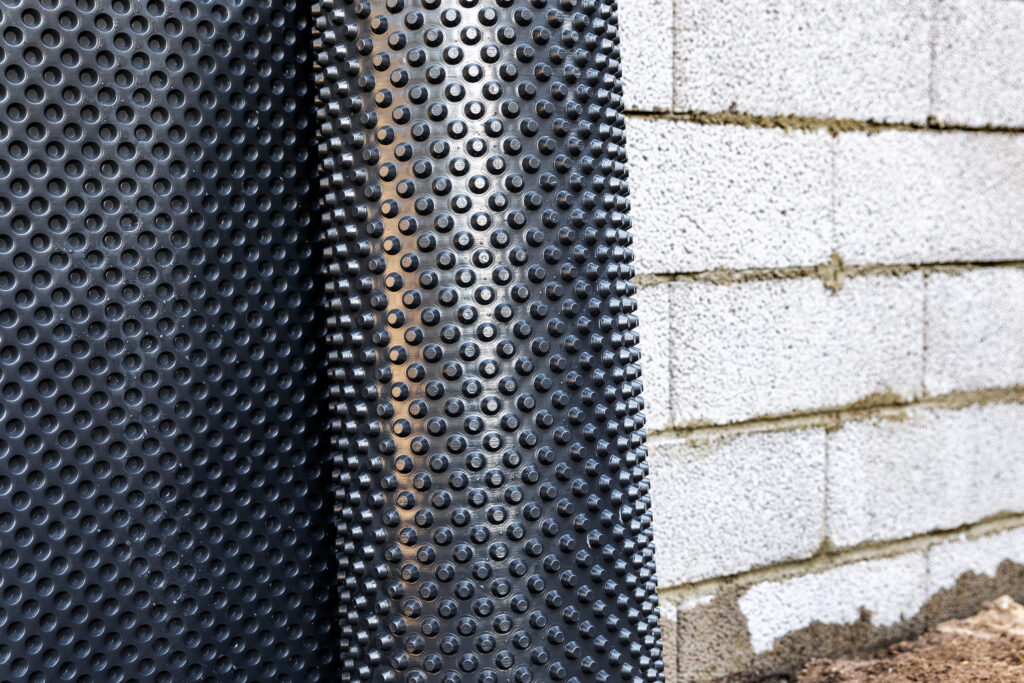
If your basement smells musty, has damp spots on the walls, or even shows tiny cracks where water sneaks in, you’re not alone. Homeowners all over face this challenge — especially when their homes are built with block walls. These walls, while sturdy, are porous. That means moisture can slowly seep through, leading to mold, structural damage, and that telltale “basement smell” nobody wants.
Learning how to waterproof basement block walls isn’t just about keeping your space dry — it’s about protecting your home’s foundation and your family’s health. Whether you use your basement as extra storage, a laundry room, or a cozy living area, moisture control is the first step to making it safe and comfortable.
How to Waterproof Basement Block Walls
When tackling how to waterproof basement block walls, the first step is understanding the source of the problem. Water gets into block walls in one of three ways: surface seepage from rain, groundwater pressure pushing through the foundation, or condensation from humid indoor air. Each type of moisture problem needs its own plan of attack.
1. Inspect and repair cracks
Start by looking for visible cracks or gaps in the mortar joints. Even hairline openings can allow water to enter. Use a hydraulic cement or masonry patching compound to seal these before applying any waterproof coating.
2. Clean the surface thoroughly
Waterproofing materials won’t stick to dirt, dust, or efflorescence (that white, powdery residue on masonry). Scrub the walls with a wire brush and rinse with clean water. Let them dry fully — moisture trapped under the coating will reduce its effectiveness.
3. Apply a waterproof masonry sealer
Choose a high-quality waterproofing paint or sealant made for block walls basement waterproofing. These coatings penetrate the porous surface and create a barrier that resists water intrusion. Apply at least two coats for the best results, following the manufacturer’s drying times.
4. Address exterior drainage
Even the strongest interior sealant can fail if water pressure outside the wall is too high. Make sure gutters are clean, downspouts direct water away from the foundation, and the soil slopes away from the house.
5. Control indoor humidity
Use a dehumidifier to keep your basement’s moisture level under control. Excess humidity can make walls feel damp even if no water is actively seeping in.
By combining these steps, waterproofing basement block walls becomes a manageable project — but lasting results often require both interior and exterior strategies.
What Is the Best Waterproofing for Block Basement Walls?
Choosing the right product for block walls basement waterproofing can make all the difference between a short-term fix and a lasting solution. While there’s no one-size-fits-all answer, certain products consistently perform better in real-world conditions.
1. Cementitious waterproof coatings
These coatings are made from cement and bonding agents, which penetrate the porous surface of block walls. They’re easy to apply with a stiff brush, highly durable, and ideal for both positive-side (outside) and negative-side (inside) waterproofing. Many pros prefer cementitious coatings because they chemically bond with the wall.
2. Elastomeric sealants
If your walls experience minor movement or settling, elastomeric products are a smart choice. They remain flexible after curing, so they can expand and contract without cracking. This makes them perfect for areas prone to seasonal temperature changes.
3. Liquid rubber membranes
For exterior waterproofing, liquid rubber creates a thick, continuous layer that blocks moisture entirely. It’s especially effective when applied over foundation walls before backfilling during construction or major renovation.
4. Professional-grade epoxy injections
If water is entering through cracks, epoxy injections can seal the opening from within and strengthen the wall at the same time. This is often combined with other waterproofing methods for maximum protection.
When considering how to waterproof basement block walls, remember: the best waterproofing isn’t just about the coating you choose — it’s about addressing drainage, surface prep, and long-term maintenance. Even the highest-quality product can fail if water pressure is excessive or the wall isn’t properly cleaned before application.
Can You Waterproof the Inside of a Block Wall?
Yes — you can waterproof the inside of a block wall, and for many homeowners, it’s the most practical starting point. Interior solutions are often less expensive and less disruptive than exterior excavation. However, knowing the limits of inside-only waterproofing is crucial when deciding how to proceed.
When interior waterproofing works best
If your basement’s moisture issue comes from surface seepage or indoor humidity, sealing the inside of the walls can be highly effective. Using a waterproof masonry coating creates a barrier that stops water from entering the living space. Paired with a dehumidifier, this can keep your basement dry and comfortable year-round.
When interior waterproofing isn’t enough
If water is actively pooling outside your foundation or groundwater pressure is forcing moisture through the blocks, interior coatings alone may eventually fail. In these cases, a combined approach — such as coating the interior and improving exterior drainage — offers better protection.
Common interior waterproofing methods
- Masonry sealers that penetrate block pores and harden to block moisture.
- Waterproof paints formulated for below-grade use.
- Interior drainage systems like French drains connected to a sump pump, which actively redirect water away from the basement.
Understanding how to waterproof basement block walls from the inside means balancing ease of access with the need for long-term results. For many homeowners, an interior-first approach solves the problem — but only if the root cause of the moisture is properly identified and addressed.
Protect Your Home with Professional Basement Waterproofing
Moisture in your basement isn’t just inconvenient — it’s a sign that your foundation needs attention. The sooner you act, the more you can prevent costly damage, mold growth, and structural issues. While DIY methods can help, lasting block walls basement waterproofing often requires professional tools, materials, and experience.
At Pressman Home Services, we’ve helped countless homeowners waterproof their basement the right way — with solutions tailored to their property’s unique needs. From thorough inspections to expert installation of sealants, drainage systems, and moisture control measures, our team ensures your basement stays dry year-round.
When you call us, you get:
- Expert evaluation of your moisture problem.
- Proven products designed for block wall foundations.
- Customized solutions that combine interior and exterior strategies.
- Long-term protection backed by our workmanship guarantee.
Don’t wait for small damp spots to turn into major repairs. Contact Pressman Home Services today and get a basement you can trust — dry, healthy, and ready for anything.