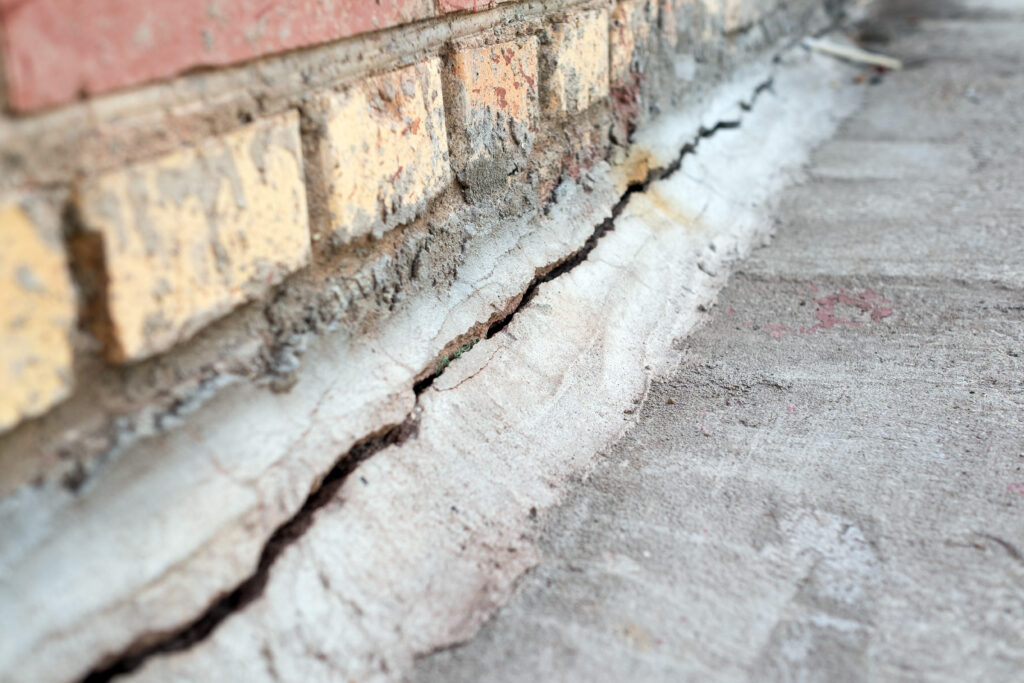
You head down to the basement to grab something from storage, and there it is—a crack stretching across the concrete floor. It might be thin as a hair or wide enough to catch your toe, but either way, it makes you pause and wonder: should I worry about cracks in my basement floor?
Many Warminster homeowners spot cracks in basement floors, especially after heavy rains or during seasonal changes. Some cracks are harmless, while others could point to bigger issues brewing below the surface—like foundation movement or water seepage.
So, how do you know the difference between a small cosmetic flaw and a red flag for your home’s structural health?
In this guide, we’ll walk you through what causes these cracks, when to worry, and how basement waterproofing in Warminster can help keep your home dry and protected. Whether you’re dealing with a brand-new fissure or an old crack that’s growing wider by the year, knowing what to look for is the first step in keeping your basement—and your foundation—safe.
Common Causes of Cracks in Basement Floors
Before jumping to conclusions, it helps to understand what might be behind the cracks you’re seeing. Concrete is strong, but it’s not invincible—especially when it’s poured in large slabs like a basement floor. Over time, it’s normal for it to expand, contract, and settle. But when those shifts get exaggerated, that’s when cracks can start to appear.
So, should I worry about cracks in my basement floor just because they exist? Not necessarily. It all depends on what’s causing them.
1. Natural Shrinkage of Concrete
As concrete cures, it loses moisture. That drying process causes shrinkage, and yes—cracks can happen as a result. These are often shallow, hairline cracks that don’t affect your home’s structure. Think of it like the way a loaf of bread splits as it bakes: not ideal, but usually harmless.
2. Settling Soil
After a home is built, the soil underneath it continues to shift. Especially in areas like Warminster, where weather patterns vary throughout the year, that soil movement can lead to stress on the slab, eventually resulting in cracks. If your home is newer, you may see more of these cracks in the first few years.
3. Hydrostatic Pressure
This is a fancy term for something pretty simple: water pushing against your foundation. When the ground around your home gets saturated—like after a storm or snowmelt—that water pressure can force its way through weak spots in your basement floor, leading to cracking. If you see dampness or puddling near a crack, this could be the culprit.
4. Poor Drainage or Gutter Problems
When water isn’t channeled away from your foundation properly, it builds up around your home, weakening the soil and increasing the chance of basement floor cracks. A broken downspout or clogged gutter can quietly create big problems below ground.
5. Temperature Fluctuations
Here in Warminster, we get a full range of weather—from freezing winters to hot, humid summers. That constant shift causes the concrete in your basement to expand and contract. Over time, that motion creates stress fractures in the slab. If you’ve noticed new cracks showing up after a particularly cold snap or heatwave, weather could be to blame.
6. Tree Roots
Yes, even your landscaping could be behind the cracking. Large tree roots can grow underneath your foundation slab, displacing soil and exerting pressure upward. While not super common, it’s a sneaky cause that surprises many homeowners.
Many of these causes sound minor—and some are. But others could be early signs of structural or water-related issues. Keep reading to find out: when should I worry about cracks in my basement floor, and when it’s okay to take a deep breath and move on.
When Should I Worry About Cracks in My Basement Floor (and When Not To)
Cracks in a basement floor don’t always mean trouble. But sometimes, they’re your home’s way of whispering, “Hey, something’s not right down here.” The trick is learning how to tell the harmless from the harmful.
So let’s answer the big question: should I worry about cracks in my basement floor? The honest answer—it depends. Here’s how to break it down.
Hairline Cracks: Usually Harmless
First, let’s talk about the cracks that don’t need to keep you up at night.
Hairline cracks are narrow—about the width of a sewing needle or less. You’ll often find them running randomly across the floor in no particular pattern. These happen when concrete naturally shrinks as it cures, or due to minor settling after construction. They’re cosmetic, not structural.
If your basement floor has dry, tight hairline cracks and no signs of water or widening, you can probably relax. Keep an eye on them, but there’s usually no need to panic.
Pro Tip: Mark the ends of these cracks with a permanent marker and check them every few months. If they haven’t grown, they’re stable.
Warning Signs of Foundation Movement
Now, here’s where things get serious. Some cracks hint at bigger problems—especially those caused by foundation shifting or structural stress.
Watch for:
- Wide cracks (wider than 1/8 inch) that keep growing
- Uneven or sunken slabs
- Horizontal cracks (rare, but worrisome)
- Cracks that come with sticking doors, windows, or sloping floors upstairs
If your floor crack seems to be paired with one of those symptoms, it may point to a deeper issue—literally. When the soil under your home shifts or erodes, it can cause your foundation to move, which then cracks the slab. If left unchecked, that can lead to serious—and costly—damage.
Still asking yourself, should I worry about cracks in my basement floor? If they’re growing, sloping, or paired with other home issues, it’s time to call in a professional.
What Water Seepage Through Cracks Really Means
Sometimes, it’s not the crack itself that’s the problem—it’s what’s coming through it.
In Warminster, where we see a good mix of rain and snow, it’s not unusual for groundwater to push through even small cracks in a basement floor. That’s a sign of hydrostatic pressure at work. While a bit of moisture might seem harmless now, over time it can lead to:
- Mold and mildew growth
- Damaged flooring or stored items
- Poor air quality
If water is entering your basement—even slowly—it’s worth paying attention. Basement waterproofing in Warminster is designed to address this exact issue before it gets worse.
Here’s the deal: a leaking crack in the basement floor usually equals a future headache. Catching it early could save you thousands in repairs down the road.
How Weather and Moisture Affect Concrete in Warminster Homes
Living in Warminster means experiencing all four seasons in full force—and your basement feels every one of them. The freeze-thaw cycles of winter, the humidity of summer, and the soaking rains in spring and fall all team up to stress your concrete in ways that aren’t always visible… until they are.
That’s why so many local homeowners eventually find themselves wondering: should I worry about cracks in my basement floor? And the truth is, if you live here long enough, it’s not if the cracks show up—it’s when.
Here’s what you need to know about how weather and moisture interact with your foundation, and what you can do to protect it.
Basement Waterproofing Prevents Future Cracks
Basement waterproofing in Warminster isn’t just about stopping leaks—it’s about relieving the pressure that causes cracks in the first place.
Here’s how it works:
- Interior waterproofing (like drainage systems and sump pumps) manages water that gets in.
- Exterior waterproofing keeps water from getting in at all by sealing the outside of your foundation.
- Vapor barriers protect against moisture that seeps up through the slab itself.
Waterproofing is one of the best investments you can make if you’re seeing cracks tied to dampness, especially during the rainy seasons. It’s also a solid move for homeowners who just want peace of mind.
That said, it’s not the only tool in the toolbox.
Why Sealing Cracks Isn’t Always Enough
You might think: “Can’t I just fill the crack and be done with it?”
Yes—and no.
Crack sealants and epoxy injections can be a good temporary fix for non-structural, dry cracks. They stop water and pests from entering and keep the crack from expanding due to minor pressure changes.
But if the crack is caused by something ongoing—like shifting soil, poor drainage, or hydrostatic pressure—sealing it is like putting a Band-Aid on a leaky pipe. It might look better for a while, but the problem underneath is still alive and well.
So before you run to the hardware store for concrete caulk, ask yourself: should I worry about cracks in my basement floor that keep coming back after I’ve sealed them? If the answer is yes, it’s time for a deeper fix.
Additional Solutions That Support a Healthy Basement Floor
Let’s zoom out a bit. Protecting your basement involves more than just waterproofing. A smart combination of home upgrades can make a big difference, especially here in Warminster.
Some of the most effective long-term solutions include:
- Grading and Landscaping Fixes: Making sure the ground slopes away from your foundation prevents water pooling near your home.
- Gutter and Downspout Extensions: These redirect rainwater away from your foundation. Many homeowners don’t realize how much damage bad gutters can do until they’ve paid for repairs.
- Dehumidifiers: Basements naturally attract moisture. A good-quality dehumidifier keeps humidity in check, especially during Warminster’s muggy summers.
- Foundation Inspections: If your cracks are large, uneven, or growing, a structural inspection can reveal if deeper repairs—like underpinning or slab stabilization—are needed.
No single fix covers every scenario. That’s why local pros like Pressman Home Services tailor their recommendations based on your specific home, your soil, and even your street
Get Peace of Mind—Schedule a Basement Inspection Today
Let’s take the guesswork out of your basement concerns. Contact Pressman Home Services today to schedule a no-pressure, expert evaluation of your basement floor. Whether you’re dealing with tiny hairline cracks or water seeping through concrete, we’ll give you honest answers and smart solutions.
Your foundation supports your entire home. Let’s keep it solid—for good.