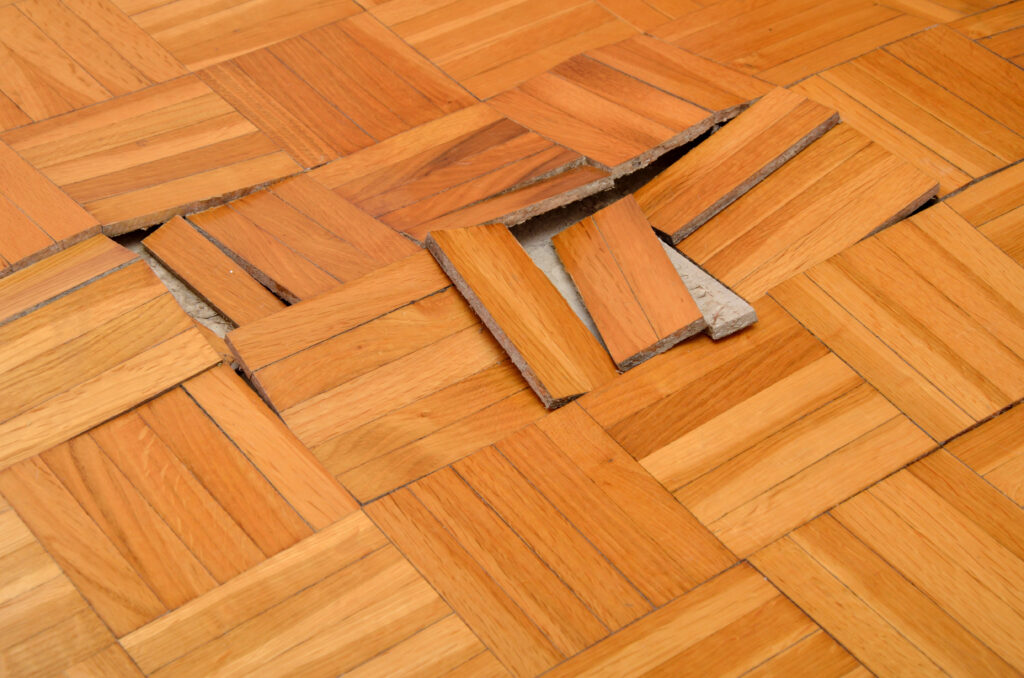
Imagine walking into your basement and feeling the floor ripple under your feet like a warped wooden boardwalk. It’s unsettling—and not just because of the uneven steps. Warping basement flooring is more than just an eyesore. It’s often a red flag waving at bigger issues lurking below the surface, like moisture problems, foundation shifts, or ventilation mishaps.
If your basement floor has started to buckle, bubble, or twist out of shape, you’re not alone. Homeowners across Pennsylvania deal with this issue, especially in older homes or spaces that battle seasonal moisture swings. But the good news? Warped basement floors can be fixed—and even better, they can be prevented altogether when you know what causes the problem in the first place.
What Is Floor Warping?
Floor warping happens when your flooring bends, buckles, or lifts out of shape—usually because of excess moisture, temperature changes, or problems with the subfloor. In basements, where damp conditions are common, this can be a real headache.
Warping doesn’t just make your floors look uneven—it can create tripping hazards, damage the structure of your flooring, and signal bigger issues like water leaks or foundation trouble. Left unchecked, warping basement flooring can lead to costly repairs and even affect your home’s value.
Common Causes of Warping Basement Flooring
Basement floors don’t just warp out of nowhere. There’s always a reason—and often, it’s something hiding beneath the surface. Understanding the root cause of warping basement flooring is key to getting it fixed the right way (and for good). Here are the most common culprits we see in Pennsylvania homes:
1. Moisture and Humidity
This is hands-down the #1 cause of warped floors in basements. Whether it’s from a small leak, poor drainage around your foundation, or just natural humidity creeping in, excess moisture will find its way under your flooring. Once it does, it causes materials like wood, laminate, or vinyl to swell—and that’s when you start seeing buckling or bubbling.
2. Water Intrusion or Flooding
If your basement has ever taken on water—from heavy rains, sump pump failure, or plumbing issues—you’re at high risk for warping. Even a one-time water event can leave lasting damage if the floor isn’t properly dried and restored by professionals.
3. Poor Ventilation
Basements that are sealed up tight with no airflow tend to trap humidity. Without ventilation, the space stays damp—and that moisture gets absorbed by the flooring over time. Warping can sneak up slowly in these cases, which is why regular air circulation and dehumidifiers are so important.
4. Subfloor Issues
Sometimes the problem isn’t the floor you see—it’s what’s underneath. If your subfloor was installed poorly, or has shifted due to settling or water damage, it can cause uneven support. That lack of stability leads to sagging or flexing in the flooring above.
5. Incompatible Flooring Materials
Not all flooring types are basement-friendly. Some materials, like solid hardwood, are much more prone to warping in humid environments. If the wrong kind of flooring is installed without a moisture barrier, it’s only a matter of time before problems show up.
Why This Matters
When warping basement flooring goes unchecked, it can point to deeper home issues—like structural movement, hidden mold, or drainage failures. It’s not just a cosmetic annoyance. It’s a sign your home needs professional attention before things get worse.
How to Fix Warped Basement Flooring
When it comes to warping basement flooring, a professional fix is the only fix. Sure, you could try to patch it yourself, but without addressing what caused the warping in the first place, you’re basically just covering up a bigger issue. And in basements—where water, humidity, and structural quirks all collide—DIY jobs rarely hold up.
Here’s how the pros at Pressman Home Services handle warped basement floors the right way:
Step 1: Full Inspection and Moisture Testing
Every job starts with figuring out why the floor warped. We inspect the flooring, subfloor, and surrounding basement structure. Moisture meters help us detect hidden water or humidity problems—even behind walls or under slabs. Skipping this step is like fixing a leaky roof without checking where the water’s coming in.
Step 2: Removing the Damaged Flooring
If the flooring is warped, it usually has to come out. Whether it’s vinyl, laminate, tile, or engineered wood, the damaged materials are carefully removed to expose the subfloor or slab underneath. This clears the way for repairs and makes sure no moisture is trapped below the surface.
Step 3: Addressing the Root Cause
Here’s where the real work begins. Depending on what caused the warping, we take targeted action:
- Waterproofing – If moisture intrusion is to blame, we’ll seal the basement walls, install vapor barriers, or even add a sump pump if needed.
- Drainage Solutions – We might improve grading around your foundation or install interior/exterior drains to keep water away from the home.
- Ventilation Fixes – We’ll make sure your basement has proper airflow, recommend dehumidifiers, or add mechanical ventilation to cut down on humidity.
- Subfloor Repairs – If the subfloor is damaged, we repair or replace it before laying down anything new.
This is where a pro makes all the difference—because we don’t just make it look better, we make sure it won’t happen again.
Step 4: Installing Basement-Appropriate Flooring
Once the space is prepped and dry, we install new flooring built to handle the basement environment. We guide homeowners toward moisture-resistant, durable materials that can breathe a bit without buckling—like vinyl plank, sealed concrete, or tile. And we always install proper underlayments or vapor barriers to protect from future damage.
Step 5: Ongoing Protection
Before we leave, we’ll set you up with tips for keeping your basement dry and your flooring in great shape. From choosing the right area rugs to knowing when to run a dehumidifier, our goal is to make sure this is the last time you deal with warping basement flooring.
Why Skip the DIY?
We’ve seen it too many times—someone pulls up the warped section, slaps down new boards, and hopes for the best. A few months later, the same problem is back, only worse. Flooring might be easy to buy, but basements are complex systems. If you don’t fix the moisture, structural, or airflow issues causing the warp, you’re throwing money down the drain.
Calling in experts like Pressman Home Services means you get lasting results—and peace of mind.
Preventing Future Floor Warping
Once you’ve dealt with warping basement flooring, the last thing you want is for it to come back. The good news? With the right prevention steps—and a little help from the pros—you can keep your basement floors flat, strong, and looking sharp for years to come.
1. Control Moisture, Always
Moisture is the biggest enemy of basement flooring. Whether it’s a slow leak or just natural humidity in the air, keeping water out is your #1 defense.
- Install a dehumidifier: Especially in warmer months, a basement dehumidifier can keep humidity levels in check. Aim to stay below 50% relative humidity.
- Check gutters and downspouts: Make sure rainwater drains away from your foundation—not toward it.
- Seal basement walls and floors: Professional waterproofing adds a layer of protection against moisture that can seep through concrete.
2. Pick the Right Flooring
Some materials just aren’t made for basement life. Skip traditional hardwood or low-grade laminate. Instead, go with flooring options that can handle moisture and temperature changes, like:
- Vinyl plank or tile
- Ceramic or porcelain tile
- Sealed concrete with decorative finishes
- Waterproof laminate (with proper underlayment)
Let the experts at Pressman Home Services help you choose basement flooring that’s both durable and beautiful.
3. Install Vapor Barriers and Underlayments
One of the most overlooked steps in basement flooring is what goes underneath it. A vapor barrier between the concrete slab and your flooring can block moisture from sneaking in and causing warping. Paired with a moisture-resistant underlayment, it’s a powerful combo that keeps your floors dry and stable.
4. Keep an Eye on Your Basement
Sometimes prevention is as simple as staying alert. If you notice musty smells, small puddles, or soft spots in the floor—don’t wait. These are early warning signs of moisture problems that could lead to warping.
Also, check your basement after heavy storms or snow melt. If water is getting in, it’s time to call for help.
5. Schedule Regular Inspections
Having a professional check your basement every few years—or after a major weather event—can catch small issues before they turn into big ones. At Pressman Home Services, we offer thorough inspections for Pennsylvania homeowners that go beyond the surface. We look at drainage, structural shifts, signs of moisture, and more.
Don’t Let Warping Basement Flooring Take Over Your Home
Warped basement floors aren’t just an eyesore—they’re a warning sign. Whether it’s moisture creeping in, poor ventilation, or structural issues beneath the surface, warping basement flooring is something that needs professional attention sooner rather than later.
At Pressman Home Services, we specialize in uncovering the root cause of flooring issues and delivering long-term solutions that protect your home and your peace of mind. From expert inspections to full basement floor replacements, our team is here to help Pennsylvania homeowners keep their spaces safe, dry, and beautiful.
If your basement flooring is buckling, bubbling, or just not feeling right underfoot—don’t wait for the problem to get worse. Contact Pressman Home Services today for professional, reliable basement solutions that last.