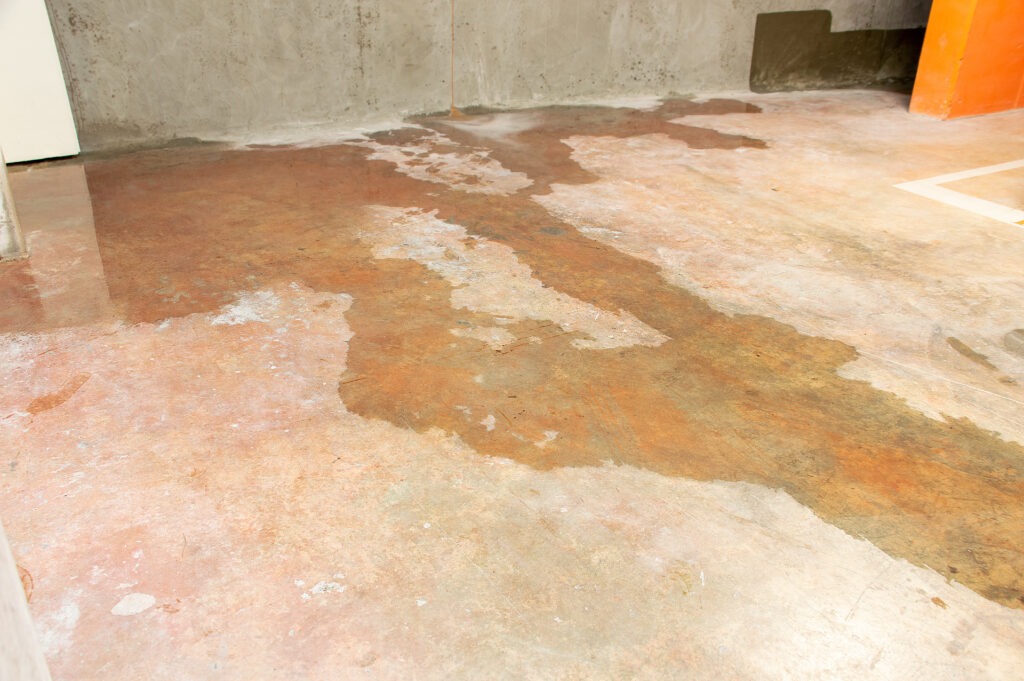
If you’ve found yourself asking, “Why does my basement flood during heavy rain?”, you’re not alone—and you’re certainly not crazy. It’s one of the most common complaints from homeowners throughout Pennsylvania, especially in areas with older homes, clay-rich soil, and overwhelmed storm systems. Your basement should be a storage space, a home gym, maybe even a finished family room. But instead, it’s become a sponge.
In this article, we’ll unpack the root causes of basement flooding, break down how heavy rain is often the final straw (not the only culprit), and share what you can do to stop the cycle. Because let’s be honest: mopping up your basement every time there’s a storm isn’t just exhausting—it’s expensive, unsanitary, and avoidable.
The Role of Rainfall: What’s Really Happening Below Ground?
Let’s break it down. Heavy rain isn’t just falling from the sky—it’s soaking into your yard, running off your roof, and flooding your gutters. Your property becomes a giant funnel, and where does all that water want to go? Downhill. Into the lowest part of your home: the basement.
But here’s the catch—it’s not always the amount of rain that’s the problem. It’s how prepared (or not) your home is to handle it.
Water Follows the Path of Least Resistance
So, why does my basement flood during heavy rain? Think of your soil as a sponge. During a light rain, it soaks up water slowly, and your drainage system has time to respond. But during a downpour, that sponge saturates fast. Once the ground can’t absorb any more, water starts to press against your foundation walls, searching for cracks, weak points, and old window wells.
If there’s a single hairline crack in your concrete or a poorly sealed pipe opening, water will find its way in. Rain doesn’t care about building codes or your weekend plans.
Your Basement’s Built-In Flaws
Many Pennsylvania homes were built decades ago—long before sump pumps, exterior drainage membranes, and soil grading were standard. Even newer homes might have been built with cost-saving shortcuts. Without proper drainage, every rainfall becomes a test of your foundation’s limits.
Some basements sit below the water table, meaning the surrounding soil is constantly moist. When heavy rain raises the water table even higher, hydrostatic pressure builds up on your basement walls. That pressure is relentless—and if your walls aren’t protected or sealed, the result is water intrusion.
It’s Not Just “Bad Luck”
The reason why does my basement flood during heavy rain often boils down to predictable causes: poor yard grading, clogged gutters, faulty sump pumps, and insufficient drainage systems. In many cases, these are things you can control or at least improve—with the right team on your side.
Why Does My Basement Flood During Heavy Rain?
So, you’re staring at puddles on the basement floor again, wondering, why does my basement flood during heavy rain when your neighbor’s seems bone-dry. The truth? It’s not random. There are usually one (or several) culprits behind the chaos. Let’s unpack the top offenders.
1. Poor Grading Around the Foundation
Imagine your yard is like a giant bowl tipped toward your house. Every time it rains, water slides right into your foundation like it’s heading for home base. If the soil slopes toward your house instead of away from it, it’s a recipe for flooding.
✅ What to check: Is the ground around your house sloping away? If not, you’re directing gallons of rainwater straight to your basement walls.
2. Clogged or Broken Gutters and Downspouts
Gutters are supposed to guide rainwater off your roof and safely away from your foundation. But if they’re full of leaves, misaligned, or missing extensions, they overflow—dumping water right where you don’t want it.
✅ Pro tip: Your downspouts should discharge at least 6 feet away from your foundation. Anything closer and you’re creating a moat around your basement.
3. Cracks in the Foundation Walls or Floor
Even a tiny crack is an open door for water under pressure. During heavy rain, the ground around your home becomes waterlogged, and the pressure on your foundation increases. Water wants in—and cracks make it easy.
✅ Ask yourself: When was the last time you had your basement walls inspected?
4. Failed or Inadequate Sump Pump
If your sump pump isn’t working—or can’t keep up with the amount of water—it’s like having a bucket with a hole in it. A working sump pump is your basement’s last line of defense. Without it, the water just builds and builds until… splash.
✅ Quick check: Is your pump running during storms? Do you have a battery backup in case the power goes out?
5. Window Wells Without Proper Covers or Drainage
Basement windows are charming—until they turn into aquariums. If your window wells don’t have covers or drains, water pools fast during a storm. It doesn’t take long for that water to seep through the window frame and into your walls.
✅ Fix it fast: Install clear, domed window well covers and make sure the well itself has a drain at the bottom.
6. Sewer Backup or Overloaded Storm Drains
When city storm systems get overwhelmed, water can back up into your home’s drains and floor openings. If you notice foul smells or gurgling drains along with flooding, it may not just be groundwater—it could be sewage.
✅ Time to act: Install a backflow preventer and get your sewer line inspected. Don’t wait until the damage gets disgusting.
7. Hydrostatic Pressure from Saturated Soil
This is the invisible force behind many flooding issues. After several hours (or days) of rain, the soil around your home becomes supersaturated. Water builds pressure against your foundation, and without proper sealing or drainage, it will force its way through.
✅ Reminder: Waterproofing isn’t just about stopping water—it’s about relieving pressure.
You might be dealing with one of these issues—or a combination. But now that we’ve answered why does my basement flood during heavy rain in clearer terms, the next step is turning knowledge into action.
What You Can Do Today to Stop the Flooding Tomorrow
So now you know the “why” behind the question why does my basement flood during heavy rain. But knowledge alone doesn’t stop the water from seeping in during the next storm. What matters most is how you respond. The good news? You’ve got options—some you can tackle this weekend, others are best handled by a pro (like us). Let’s walk through both.
Start With the Easy Wins
Even small changes can make a big difference when it comes to keeping your basement dry.
- Extend Downspouts: Make sure those downspouts aren’t dumping water right at your foundation. Aim for a minimum 6-foot clearance.
- Clean Out Gutters: A Saturday ladder climb could save you thousands in water damage. Remove leaves, twigs, and debris every season.
- Slope the Soil: Use a shovel and some fill dirt to make sure the soil around your home slopes away—not toward—your basement walls.
- Install Window Well Covers: Clear, domed covers keep out rain and debris while still letting light in.
- Keep an Eye on That Sump Pump: Make sure it’s running smoothly before a storm hits. Test it by pouring water into the pit and seeing if it kicks on.
Invest in Long-Term Protection
If your basement’s been wet more than once, or you’re already spotting mold, stains, or that familiar musty smell, it’s time to look at real solutions that go beyond the DIY aisle.
- French Drains: These are trenches with perforated pipes that direct water away from your foundation—underground and out of sight.
- Interior Drainage Systems: Think of this like an internal gutter that collects water under your basement floor and sends it to your sump pump.
- Exterior Waterproofing: This involves excavating around your foundation and applying a waterproof membrane. It’s a major project—but the gold standard for keeping basements dry long-term.
- Sump Pump with Battery Backup: Because when the power goes out in a storm, the water doesn’t stop coming.
- Sealing Foundation Cracks: Epoxy injections and professional sealing methods keep cracks from turning into leaks.
What If the Problem’s Bigger Than You Thought?
Here’s the reality: if you’ve been Googling why does my basement flood during heavy rain multiple times a year, you probably need more than just a better downspout. And that’s where we come in.
At Pressman Home Services, we’ve helped homeowners across Pennsylvania solve their basement water problems for good. From installing drainage systems to full waterproofing solutions, we specialize in turning wet, moldy basements into clean, dry, usable space.
We know every home is different, so we don’t believe in one-size-fits-all fixes. We take the time to inspect your property, diagnose the problem at its root, and offer solutions that actually work—not just until the next storm rolls through.
Ready to reclaim your basement?
Don’t wait for the next rainy day emergency. Contact Pressman Home Services today for a free assessment. We’ll answer that nagging question—why does my basement flood during heavy rain—and more importantly, we’ll help you make sure it doesn’t happen again.