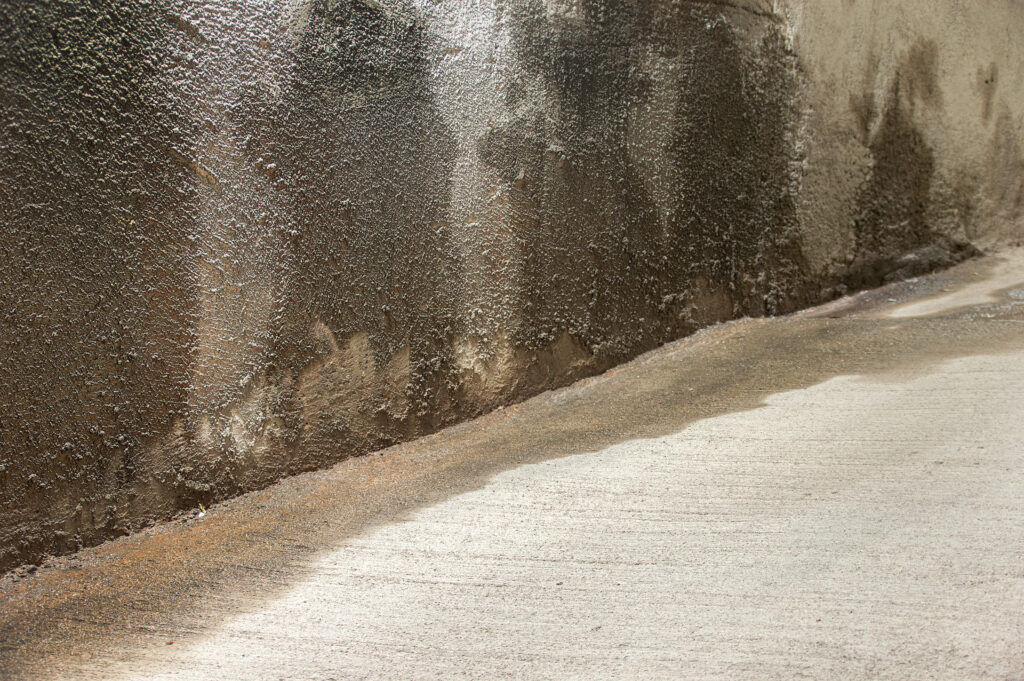
Basement flooding in Pennsylvania isn’t just a springtime problem—it’s a year-round headache for homeowners across the state. One minute your basement is dry and functional, the next it’s soaked, smelling musty, and threatening your home’s structure (not to mention your storage boxes). Sound familiar? You’re not alone.
Understanding the 5 causes of basement flooding in Pennsylvania is the first step toward protecting your home, your valuables, and your peace of mind. Whether you’re living in a 1950s ranch in Harrisburg or a charming stone house in Chester County, basement flooding can happen to anyone—and usually when you least expect it.
The good news? These problems are preventable. At Pressman Home Services, we’ve helped hundreds of Pennsylvania homeowners tackle the root causes of basement moisture with long-term, affordable solutions. In this post, we’ll break down the most common culprits and show you how to keep your basement dry, safe, and ready for anything Pennsylvania weather throws your way.
What Are the 5 Causes of Basement Flooding in Pennsylvania?
Flooded basements don’t just happen randomly—there are specific, preventable triggers that cause water to seep, leak, or pour into your lower level. Knowing what’s behind it is key to protecting your home and avoiding costly repairs.
If you live anywhere in Pennsylvania—especially in older neighborhoods or homes built on sloped land—any of these issues could be quietly working against you. And it doesn’t take a hurricane to cause serious damage. A few hours of steady rain or one aging sump pump can turn your basement into a swamp.
1. Heavy Rainfall and Poor Drainage Systems
Pennsylvania weather isn’t exactly known for being predictable. From heavy spring rains to sudden summer downpours, we get more than our fair share of moisture. And while a little rain might not seem like a big deal, it can quickly become one if your yard and exterior drainage system aren’t prepared to handle it.
Here’s the deal: when the ground becomes saturated, all that extra water has to go somewhere. If your property isn’t graded properly or your drainage system is clogged, damaged, or nonexistent, that water starts creeping toward the lowest point—your basement.
Why Pennsylvania Homes Are Especially Vulnerable
Older homes in Pennsylvania often weren’t built with modern drainage systems in mind. Many neighborhoods were developed before current stormwater management standards were in place, which means homeowners are left to deal with pooling water, sloping yards, and downspouts that dump water right next to the foundation. Not ideal.
If your backyard turns into a mini pond every time it rains, or if water consistently pools near your home’s foundation, your property may be struggling with poor grading or outdated exterior drainage.
Common Warning Signs
- Water collects near your foundation after storms
- Soggy or eroded areas in your yard
- Basement walls that feel damp or look stained
- Musty smells after rainfall
- Mold or mildew appearing around basement windows
All of these are clues that rainwater isn’t being routed away from your home properly. And unfortunately, they’re also signals that you may be on your way to a flooded basement.
2. Cracked or Leaking Foundation Walls
Your home’s foundation is supposed to keep water out—not welcome it in. But when cracks start to form in the concrete, even the tiniest opening becomes an invitation for moisture. And in Pennsylvania, where wet seasons and freeze-thaw cycles are common, foundation cracks are one of the most overlooked yet serious 5 causes of basement flooding in Pennsylvania.
Why Do Foundation Cracks Happen?
There are a few reasons. Pennsylvania soil can shift with moisture, expanding and contracting with the seasons. When that happens, pressure builds up against your foundation walls—a condition known as hydrostatic pressure. Over time, this stress can lead to small hairline cracks or larger structural fissures.
Then there’s the age factor. Many older homes in PA were built before modern waterproofing standards, using porous masonry that naturally breaks down over time. Add in years of rainfall, shifting soil, or poor drainage, and your foundation doesn’t stand much of a chance without a little help.
How Water Gets In
Cracks in your foundation can be vertical, horizontal, or even “stair-step” shaped along mortar joints. No matter the shape, they all allow water to seep in—especially during heavy rainstorms. Some leaks are slow and steady, while others can become sudden gushers.
Look for signs like:
- Damp spots or water streaks on basement walls
- White chalky residue (called efflorescence)
- Musty basement smells
- Mold growing near the base of walls
- Visible cracks in concrete or brickwork
If you’re noticing any of these symptoms, you could already be dealing with one of the 5 causes of basement flooding in Pennsylvania—and it’s not going to fix itself.
3. Faulty or Missing Sump Pumps
If your home has a basement, a sump pump should be your MVP when it comes to flood prevention. But what happens when it fails—or worse, when you don’t have one at all? That’s when sump pump issues become one of the most common and preventable 5 causes of basement flooding in Pennsylvania.
What Does a Sump Pump Actually Do?
Think of it like this: your sump pump is the bouncer at the basement door. Its job is to sit in a small pit (called a sump basin) and quietly wait for water to arrive. When groundwater or excess moisture begins to collect around your foundation, the sump pump kicks on and pumps that water out—usually to a storm drain or a safe area of your yard.
It’s a simple concept, but when that system fails, it’s like locking the door and tossing away the key during a storm.
Warning Signs to Watch For
Not sure if your sump pump is doing its job? Here are a few red flags:
- Loud or strange noises during operation
- Frequent cycling (on/off rapidly)
- A musty or damp-smelling basement after storms
- Standing water in the sump pit
- Visible rust or corrosion on the pump
Ignoring sump pump problems is like ignoring the check engine light in your car—you might get away with it for a little while, but it’s only a matter of time before something breaks down.
4. Clogged or Broken Gutters and Downspouts
Gutters may not be the most exciting part of your home, but when they fail, the damage can be dramatic. What many homeowners don’t realize is that poorly functioning gutters and downspouts are one of the 5 causes of basement flooding in Pennsylvania. These simple systems are your first line of defense in steering water away from your home—and if they’re clogged, cracked, or missing altogether, you could be funneling rainwater straight into your basement without even knowing it.
How It Happens
Your gutters are supposed to collect rainwater from your roof and carry it safely away via downspouts. But when they’re packed with leaves, twigs, granules from roof shingles, or even the occasional bird nest, the water can’t flow. Instead, it spills over the edge—dumping gallons of water right at the base of your home.
Over time, all that runoff erodes the soil around your foundation, increases pressure against your basement walls, and seeps through any tiny cracks or weak points. In older Pennsylvania homes, this is especially dangerous, since the foundation might already be vulnerable due to age or shifting soil.
Signs Your Gutters Are to Blame
- Water overflowing the sides of gutters during storms
- Downspouts discharging water directly next to your foundation
- Soil erosion or puddles forming around your home
- Sagging or detached gutters
- Mildew or peeling paint on exterior walls near the roofline
- Wet basement corners after rainfall
If you’re noticing any of these, chances are your gutters aren’t doing their job—and you could be inviting basement moisture in every time it rains.
5. Sewer Backup or Plumbing Issues
Basement flooding isn’t always caused by rain or surface water. Sometimes, the problem comes from inside your home—or beneath it. Sewer backups and hidden plumbing problems are among the most dreaded (and messy) of the 5 causes of basement flooding in Pennsylvania, especially in older homes with aging infrastructure.
What Is a Sewer Backup?
When your home’s sewer line becomes blocked, damaged, or overwhelmed by stormwater, wastewater can’t drain properly. With nowhere to go, it flows backward—right into your lowest plumbing fixtures. And you guessed it: that usually means your basement.
What makes this type of flooding particularly awful is the water itself. It’s not just rain—it’s contaminated with bacteria, waste, and other dangerous materials. Cleaning up a sewer backup is not only expensive, but it can also be a serious health hazard.
Red Flags to Watch For
- Gurgling toilets or slow drains throughout the house
- Water pooling around basement floor drains
- Bad smells coming from drains or fixtures
- Frequent backups after rainstorms
- Wet spots near foundation plumbing access points
These are all signs that your plumbing may be under stress—and that your home could be one storm away from a major basement flood.
How Pressman Home Services Can Protect Your Pennsylvania Home from Basement Flooding
Dealing with a wet basement is stressful, expensive, and—let’s be honest—kind of gross. But here’s the good news: it doesn’t have to be part of owning a home in Pennsylvania. Whether your flooding issues are caused by drainage problems, foundation cracks, faulty sump pumps, broken gutters, or plumbing nightmares, the team at Pressman Home Services is ready to fix the problem at its source.
As a local, family-run business, we know the unique challenges that Pennsylvania homes face. From the rolling hills of Lancaster County to the older row homes in Allentown and everywhere in between, we’ve seen—and solved—it all. We offer complete solutions to tackle each of the 5 causes of basement flooding in Pennsylvania with expertise, efficiency, and a genuine commitment to keeping your home safe and dry.
Our Services Include:
- Exterior yard grading and drainage systems
- Foundation crack repair and basement waterproofing
- Sump pump installation, maintenance, and backups
- Gutter cleaning, repairs, and downspout extensions
- Sewer line inspections, trenchless repair, and emergency plumbing
We don’t believe in one-size-fits-all fixes. Every home is different, and that’s why we offer customized assessments and tailored repair plans. Our goal is simple: stop basement flooding before it starts—and make sure it doesn’t come back.
Let’s Keep Your Basement Dry, Year-Round
If you’re ready to stop worrying about every storm or sudden plumbing surprise, let’s talk. Pressman Home Services is your trusted local expert for solving all 5 causes of basement flooding in Pennsylvania. We bring the tools, the know-how, and the personalized care to protect your biggest investment—your home.