Let’s face it—sewer lines are one of those things most homeowners don’t think about… until there’s a messy, smelly problem. And when that problem hits? It’s usually expensive, inconvenient, and downright unpleasant. That’s where a home sewer line inspection can save the day.
If you’ve ever wondered what happens during a home sewer line inspection, you’re not alone. Many homeowners hear about these inspections but aren’t quite sure what to expect. Is it disruptive? How long does it take? Will your yard be dug up? Spoiler alert: usually not.
Whether you’re buying a new home, experiencing slow drains, or just being proactive, this guide is here to walk you through the process. We’ll break down the steps of a typical sewer line inspection, explain why it matters, highlight common issues found underground, and help you understand how often you really need one.
Why Sewer Line Inspections Are Important for Homeowners
When it comes to maintaining your home, some systems are out of sight—and unfortunately, out of mind. Your sewer line is a perfect example. It works hard every day, moving wastewater from your home to the city system or septic tank. But when something goes wrong, the results can be nasty: backups in the basement, slow-draining sinks, or even raw sewage in the yard. Yikes.
That’s why knowing what happens during a home sewer line inspection isn’t just helpful—it’s essential.
Prevent Costly Surprises
One of the biggest benefits of a sewer inspection is the early warning it provides. Small issues like minor root intrusion or a partial clog can turn into big, expensive problems if left unchecked. A simple inspection today can help avoid a full sewer replacement tomorrow—something no homeowner wants to deal with.
Think of it like going to the dentist. Regular checkups might not be thrilling, but they catch cavities before they become root canals. Same idea, just with a lot more water involved.
Smart Move for Homebuyers
If you’re buying a home, a standard home inspection usually won’t include the sewer line. But it should. An inspection of the sewer system is a crucial step—because no one wants to move into their dream home only to find a cracked pipe under the driveway. That’s a six-figure nightmare waiting to happen.
Adding a sewer line inspection to your pre-purchase checklist can give you powerful leverage. If there’s a problem, you can negotiate repairs or walk away altogether. It’s one of the smartest investments you can make during the homebuying process.
Protect Your Health and Safety
When sewer lines fail, it’s not just gross—it can also be a health hazard. Backups and leaks can introduce bacteria and mold into your home, affecting air quality and potentially causing illness. Regular inspections ensure that your sewer line is doing its job and keeping your living space sanitary.
Peace of Mind
Let’s be honest: peace of mind is priceless. Knowing that your home’s sewer line is in good shape means one less thing to worry about. Whether you’re planning to renovate, prepping to sell, or simply want to stay ahead of maintenance, an inspection gives you a clear view of your underground plumbing.
And here’s the best part: what happens during a home sewer line inspection is quick, painless, and high-tech. (We’ll walk you through the exact steps in the next section.)
So while it might not be the most glamorous part of homeownership, a sewer line inspection is one of the smartest ways to protect your investment—and your sanity.
Step-by-Step: What Happens During a Home Sewer Line Inspection
If you’re picturing heavy machinery and a torn-up lawn, take a deep breath—you’re probably imagining a worst-case repair job, not an inspection. The good news? A professional sewer inspection is clean, non-invasive, and surprisingly quick.
So, what happens during a home sewer line inspection, exactly? Let’s walk through the process step by step so you know what to expect when a technician from Pressman Home Services shows up at your door.
Locating the Sewer Line Access Point
The first step is finding where the technician can access your sewer line. In most homes, this access point is a cleanout, which is a capped pipe that connects directly to your main sewer line. It’s usually located in your basement, crawlspace, garage, or somewhere just outside your home.
No cleanout? No problem—many plumbers can access the line through a pulled toilet or another entry point, depending on the layout of your plumbing system. But the goal here is clear: to find the most direct, least disruptive way to enter the line.
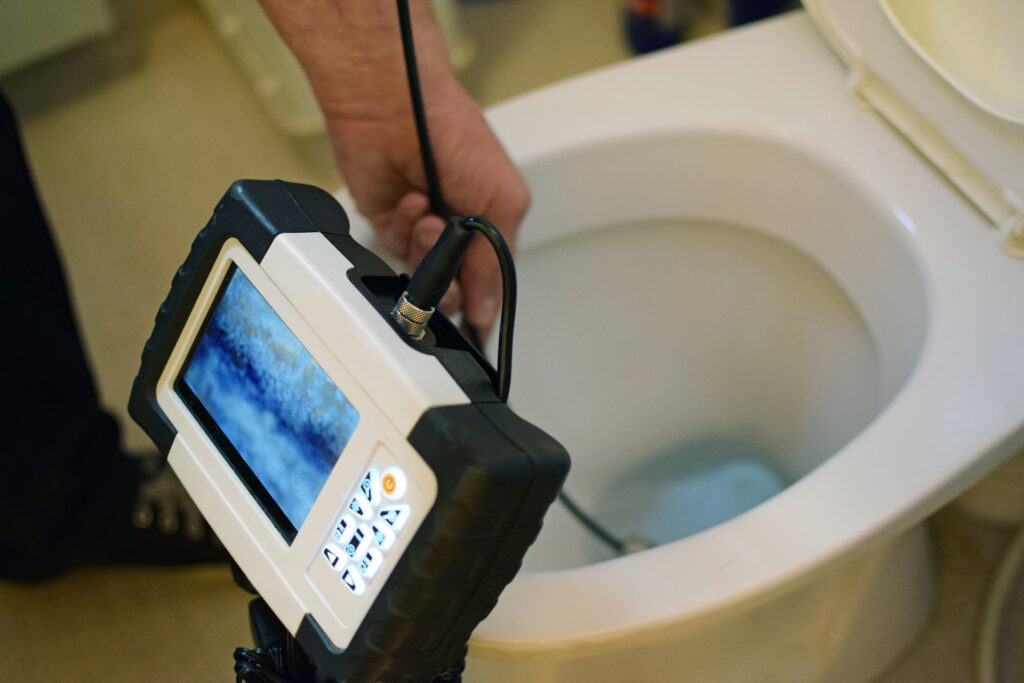
Once the access point is identified, the technician will set up their equipment—most importantly, a high-definition sewer camera attached to a long, flexible cable.
Running the Camera Through the Line
This is where things get high-tech. The technician carefully feeds the waterproof camera into your sewer line, guiding it slowly through the pipe. The camera sends back real-time video to a monitor, which both the tech and the homeowner can watch. Yes, you’ll get to see your sewer line in action!
Think of it like a colonoscopy for your home—except with less prep and more peace of mind.
The camera travels through the full length of the line, from your home to the city main (or your septic tank connection), capturing every twist, turn, and potential trouble spot along the way. Some cameras are even equipped with location-tracking sensors so the technician can pinpoint the exact location of any issues underground.
It’s quick, efficient, and 100% trenchless.
Identifying Blockages, Cracks, or Root Intrusion
As the camera moves through the pipe, the technician is on the lookout for anything that could spell trouble. That includes:
- Blockages or buildup from grease, food particles, or flushed debris
- Cracks or fractures in the pipe wall
- Tree roots growing into joints or seams
- Collapsed sections or signs of soil shifting
- Pipe corrosion or deterioration (especially in older homes)
Every issue is documented. Most companies, like Pressman Home Services, provide you with a recorded copy of the inspection and a written report so you can see exactly what’s happening below your feet.
And here’s where it gets really helpful: the technician doesn’t just diagnose the problem—they also explain what caused it, how urgent it is, and your best options for fixing it.
In many cases, the solution might be a simple cleaning or minor repair. Other times, if there’s major damage or aging pipes, they’ll talk through more extensive options like trenchless repair or replacement. But it all starts with seeing the full picture—literally.
- So when you’re asking yourself, “What happens during a home sewer line inspection?”, the answer is:
No digging
- No guesswork
- Just clear answers from a camera deep inside your plumbing system
The best part? You don’t have to take anyone’s word for it. You can watch the footage and see the condition of your sewer line for yourself.
How Often Should You Schedule a Sewer Line Inspection?
Now that we’ve covered what happens during a home sewer line inspection and the types of problems it can uncover, the next logical question is: how often should you actually get one?
The answer depends on your home’s age, your property’s landscape, and how proactive you want to be. But one thing’s for sure—waiting until there’s a backup or emergency is never the best plan.
Let’s break it down with some general guidelines:
For Homeowners in Older Homes (Built Before 1980)
If your home was built before the 1980s and still has original plumbing, it’s wise to schedule a sewer inspection every 2 to 3 years. Older homes are more likely to have:
- Cast iron or clay pipes that corrode or shift
- Tree roots invading older jointed lines
- Sludge and debris buildup from decades of use
Even if everything seems to be flowing fine now, a regular check-in can help you avoid major surprises (and expenses) down the line.
For Newer Homes (Built After 1980)
Newer homes are generally built with longer-lasting PVC pipes and more efficient layouts. But that doesn’t mean they’re immune to problems.
We recommend a sewer inspection every 5 years just to stay on top of things—especially if your property has lots of trees, heavy clay soil, or you’ve noticed odd plumbing behavior (like gurgling toilets or slow drains).
Think of it like getting a tune-up for your car. It’s not urgent… until it is.
Before Buying or Selling a Home
If you’re in the process of buying a home, always add a sewer line inspection to your list of must-dos—even if the house looks pristine. Why? Because what you can’t see could cost you thousands.
On the flip side, if you’re selling your home, an inspection can give buyers peace of mind and help you address any surprises before they’re discovered during escrow. In fact, many homeowners use the inspection video as a selling point—proof that everything is in good shape underground.
After Major Landscaping or Renovations
Have you recently redone your yard, installed a patio, or had construction work near your sewer line? Any digging or heavy equipment near your main line can shift pipes or cause damage.
In that case, schedule an inspection just to be safe. It’s a small investment that can protect you from big repairs later.
If You Notice Warning Signs
Even if your last inspection was fairly recent, call in a pro if you notice:
- Frequent toilet or drain clogs
- Foul odors from your drains or yard
- Gurgling sounds in your plumbing
- Wet patches or sinkholes in your yard
These are red flags. And if you’re wondering what happens during a home sewer line inspection when a problem is suspected—well, you’ll get answers fast, and likely a solution on the spot.
Trust Pressman Home Services for Sewer Line Inspections
When it comes to your home’s plumbing, trust matters. At Pressman Home Services, we’ve earned that trust by providing clear answers, honest service, and the kind of professionalism that takes the stress out of sewer line issues.
We know that what happens during a home sewer line inspection can sound intimidating—but it doesn’t have to be. Our technicians use state-of-the-art camera technology to inspect your line without any digging or mess. You’ll see exactly what we see, and we’ll walk you through every detail in plain English—no plumbing jargon, no pressure, and no upsells.
Whether you’re a longtime homeowner or buying your first house, we help you:
- Understand what’s really happening underground
- Catch small problems before they become expensive emergencies
- Plan smart, affordable solutions when repairs are needed
- Get peace of mind that your home is protected
We’re not just in the home services business—we’re in the peace-of-mind business. Our goal is to leave you more informed, more confident, and fully supported every step of the way.
Ready to See What’s Happening Beneath Your Home?
Call Pressman Home Services to schedule your sewer line inspection with one of our friendly, expert technicians. We’ll give you a clear picture, honest answers, and the reliable service you deserve.