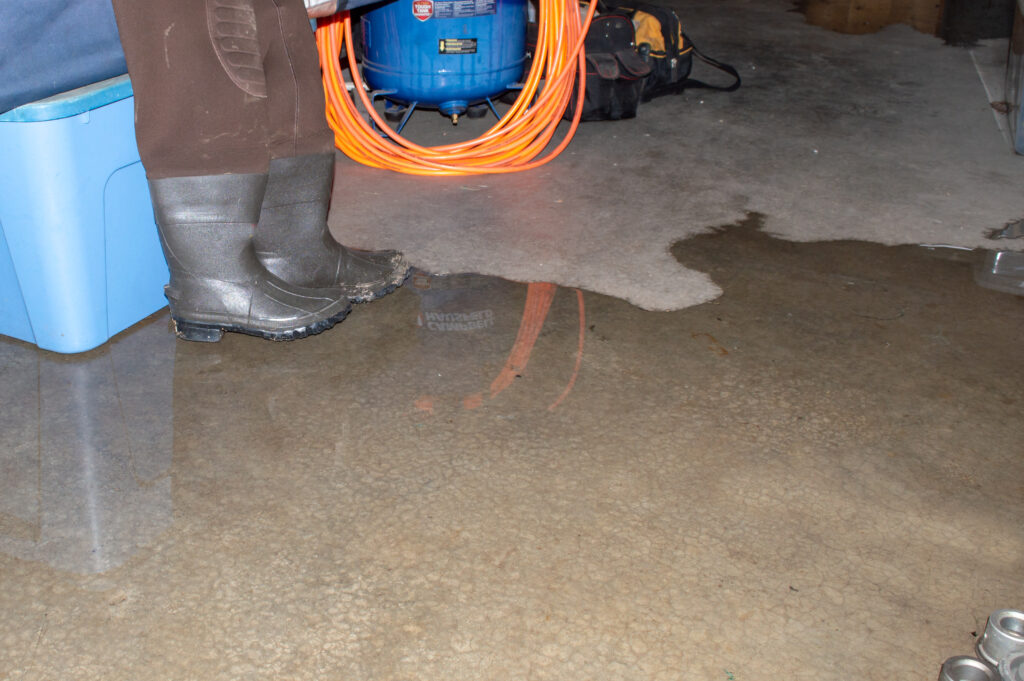
When storm clouds roll in and the rain starts to pound, homeowners in Bucks County, Montgomery County, NJ, and Philadelphia often brace for an all-too-familiar problem — water in the basement when it rains. Maybe it’s just a damp corner at first, or a trickle that creeps across the floor. But before long, that moisture can turn into a flood of frustration, costing you time, comfort, and serious money.
Let’s explore why this happens, what’s really going on beneath your home, and how professionals like Pressman Home Services can help keep your basement permanently dry.
Understanding Why You Get Water in the Basement When It Rains
Rainwater should stay outside, plain and simple. But when you find water in the basement when it rains, it’s a sign your home’s defenses are failing. Most homeowners assume a small leak isn’t a big deal, but that’s like ignoring a slow drip in a dam — it always leads to something worse.
Here’s what’s happening: when the ground becomes saturated after a storm, hydrostatic pressure builds up around your foundation. This pressure pushes water through the tiniest cracks or gaps, even ones too small to see. Weak spots around windows, floors, and joints can become gateways for rainwater to invade your basement.
Another overlooked cause is poor grading — if your yard slopes toward your house instead of away from it, rainwater naturally flows right to your foundation. Add clogged gutters or short downspouts, and you’ve created the perfect setup for basement flooding.
The Hidden Dangers of Water in Basement After Heavy Rain
If you’ve noticed water in basement after heavy rain, the risk goes beyond a messy cleanup. Moisture is a silent destroyer that can weaken your foundation over time. When concrete absorbs water, it expands and contracts as it dries, eventually cracking under the stress. Those cracks let in even more water, creating a vicious cycle.
Mold and mildew also thrive in damp basements. You might not see them at first, but the musty smell gives them away. Mold spores can trigger allergies, asthma, and respiratory problems — especially dangerous for children or anyone with compromised immune systems.
And let’s not forget property value. Real estate agents agree: few things scare buyers faster than learning there’s a damp basement. It signals neglect, hidden damage, and expensive repairs ahead.
Common Entry Points for Rainwater
Every home is different, but rainwater finds remarkably similar paths to sneak inside. The most common entry points include:
1. Cracks in Foundation Walls and Floors
Even hairline cracks can let in water under pressure. Once moisture finds its way inside, it widens those cracks further.
2. Leaky Basement Windows or Window Wells
Older or improperly sealed basement windows can collect rainwater, eventually leaking through the frame or glass edges.
3. Poor Grading and Clogged Gutters
If the ground slopes toward your foundation, or gutters overflow during storms, water ends up right where you don’t want it — against your basement walls.
4. Failed Sump Pumps or Old Waterproofing Systems
A sump pump that fails during a storm is like a lifeboat with a hole in it. Older homes may also rely on outdated waterproofing that no longer works.
When any of these weaknesses exist, it’s only a matter of time before water in the basement when it rains becomes a recurring problem.
How to Prevent Water in the Basement When It Rains
Prevention starts with understanding water’s behavior. Rainwater always follows the path of least resistance, so your job is to make that path away from your house.
Here are proven strategies that help:
Improve Grading and Gutters
Make sure your yard slopes at least six inches downward over the first ten feet from your foundation. Clean your gutters at least twice a year and extend downspouts 5–10 feet from your home.
Install or Upgrade a Sump Pump System
A properly sized sump pump is your best defense against flooding. Consider a battery backup model to keep working during power outages.
Seal Cracks and Weak Points
Professional-grade epoxy or polyurethane injections can permanently seal foundation cracks.
Consider Interior or Exterior Waterproofing
Interior systems collect and redirect water that seeps in, while exterior waterproofing prevents it from entering in the first place. The best approach depends on your specific situation — which is where expert help makes all the difference.
Why DIY Fixes Often Fail — and What Works Instead
Many homeowners try to tackle basement leaks with DIY sealants or waterproof paints. While these products might help for a few weeks, they only treat the symptom, not the cause.
Water is persistent. It seeps through mortar joints, follows gravity, and pushes through barriers. If you only address what you can see, the unseen pressure behind your foundation walls will find another way in.
Professional waterproofing works because it starts with diagnosis. Companies like Pressman Home Services don’t just patch the wet spot — they look for where the water comes from, how it travels, and why your home’s drainage can’t handle it.
For example, we’ve seen homeowners who sealed visible cracks themselves, only to find new leaks a few feet away after the next storm. Once our team installed a proper drainage system and exterior sealant, their basement stayed bone-dry through even the heaviest downpours.
Professional Solutions for Water in Basement After Heavy Rain
When you’re dealing with water in basement after heavy rain, professional intervention is often the only lasting solution. Pressman Home Services offers a variety of repair and prevention systems tailored to your home’s structure and soil type.
Foundation Sealing
We use industrial-grade sealants and advanced injection systems to permanently close cracks and stop water infiltration at the source.
French Drains and Sump Systems
Our French drain systems collect and redirect groundwater before it reaches your basement walls. Combined with a high-performance sump pump, this creates a reliable defense against flooding.
Exterior Waterproofing
For chronic or severe leaks, exterior waterproofing forms a barrier between your foundation and the surrounding soil. It’s like giving your home a raincoat that never wears out.
Each of these solutions is designed not just to fix your problem today, but to protect your home for decades.
Protect Your Home Before the Next Storm — Contact Pressman Home Services
If you’ve noticed water in the basement when it rains, don’t wait until the next downpour turns a small leak into a full-blown flood. Pressman Home Services is your local expert in basement waterproofing, drainage correction, and foundation repair.
We proudly serve Bucks County, Montgomery County, New Jersey, and parts of Philadelphia, helping homeowners eliminate basement leaks once and for all.
Our technicians use proven, professional methods — not quick fixes — and every solution starts with a detailed inspection of your property. We’ll identify the root cause, explain your options clearly, and design a plan that fits your home and budget.
Your basement should be dry, safe, and worry-free — no matter how hard it rains. Don’t settle for temporary solutions or stress every time a storm rolls through. Contact Pressman Home Services today for an inspection and get the peace of mind you deserve.