If your basement smells musty after a heavy rain, or you've noticed a damp ring creeping up your foundation wall, it’s time to act. Pressman Home Services provides basement waterproofing in Bensalem for homeowners dealing with everything from minor seepage to full-blown flooding, and we've seen firsthand how the borough's soil, drainage, and building age all play a role in why local basements struggle to stay dry. Water already inside your basement needs a different fix than water still outside your foundation walls. Pressman Home Services designs and installs interior waterproofing systems for homeowners throughout Bucks and Montgomery County, managing groundwater once it reaches your foundation and moving it out before it can pool, stain, or spread.
What Is Interior Waterproofing?
Interior waterproofing is a system-based approach to managing water after it has already entered — or is beginning to seep through — your foundation walls or floor. Rather than excavating around the outside of your home, an interior system works from inside the basement to intercept water at the point where it enters and redirect it to a discharge location before it can damage floors, walls, or belongings.
This approach is especially effective in Bucks and Montgomery County, where clay-heavy soils hold moisture against foundation walls long after a storm has passed. That sustained hydrostatic pressure eventually finds a way in — through hairline cracks, the joint where the floor meets the wall, or porous concrete block. Interior waterproofing gives that water somewhere to go besides your basement floor.
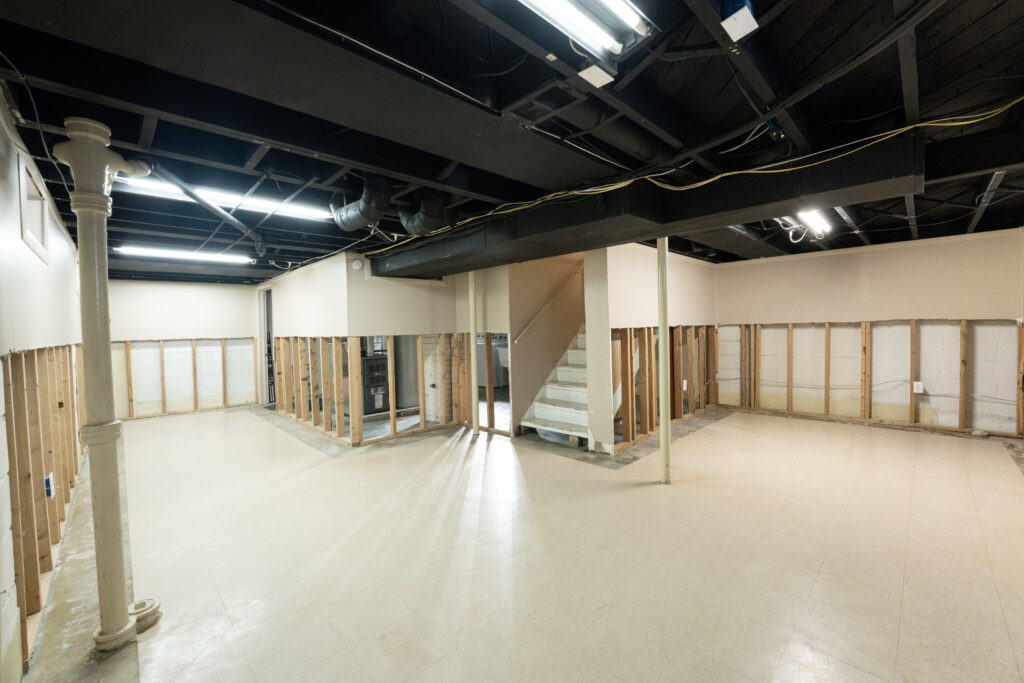
How Pressman's Interior Basement Waterproofing System Works
A properly installed interior basement waterproofing system relies on a few components working together, not a single product. Here’s what we install and why each piece matters:
This approach is especially effective in Bucks and Montgomery County, where clay-heavy soils hold moisture against foundation walls long after a storm has passed. That sustained hydrostatic pressure eventually finds a way in — through hairline cracks, the joint where the floor meets the wall, or porous concrete block. Interior waterproofing gives that water somewhere to go besides your basement floor.
Perimeter Drain Channel
Installed along the interior edge of your basement floor, this channel intercepts water as it seeps through the floor-wall joint or up through the slab, before it ever reaches open floor space.
Sump Basin
The drain channel routes collected water to a sealed sump basin, which holds it until the pump can move it out. A sealed basin also helps control soil gas and humidity, not just standing water.
Wall Vapor Barrier
Installed along basement walls, a vapor barrier manages moisture that passes through porous concrete or block even without a visible crack, reducing the humidity and musty odor that come with it.
Sump Pump
Sized for your home's water volume, the pump moves collected water out through a discharge line and away from your foundation, so it doesn't just resurface next to the house.
Together, these components form a continuous system: water is intercepted, contained, and removed, rather than left to find its own way across your basement.
Interior vs. Exterior Waterproofing
Homeowners often ask whether they need an interior system, an exterior system, or both. The honest answer depends on how and where water is entering your home.
Exterior waterproofing
Works from outside the foundation. It typically involves excavating down to the footing, applying a waterproof membrane to the foundation wall, and installing drainage to route groundwater away before it reaches the wall at all. It’s the more disruptive and costly option, but it’s the right call when water is actively pushing against the foundation from the outside or when grading and exterior drainage are the root cause.
Interior waterproofing
Works from inside the basement, managing water after it has already reached the foundation. It’s less invasive, faster to install, and doesn’t require disturbing your landscaping, walkways, or driveway. It’s typically the right fit when the issue shows up as seepage through the floor-wall joint, minor wall cracks, or general dampness rather than active flooding from an exterior source.
In many Bucks and Montgomery County homes, a combination of both delivers the most reliable protection — exterior grading and drainage improvements paired with an interior system as a backup. During your inspection, we’ll walk you through which approach, or combination, actually fits how water is behaving in your basement, rather than defaulting to a one-size-fits-all recommendation.
Signs You Need Interior Waterproofing
Basement water problems don’t always show up as standing water. Some of the most common signs we see in local homes include:
Water stains
on walls or floors, even if the area is currently dry
Seepage at the floor-wall joint
where water tracks in along the base of the wall rather than through an obvious crack
Efflorescence
the white, chalky mineral deposits left behind as water evaporates through concrete or block
Musty odors
that persist even after cleaning, often a sign of trapped moisture behind walls or under flooring
High humidity
in the basement that leaves the space feeling damp or causes condensation on pipes and windows
If you’re noticing any of these, the water is already inside — which is exactly the problem an interior waterproofing system is built to solve.
Our Process
We keep our process straightforward so you know exactly what to expect from your first call to the final walkthrough.
- Free Inspection — We examine your basement and foundation for signs of moisture, cracking, and drainage issues, both inside and around the perimeter of your home.
- Custom Assessment — Based on what we find, we identify how water is entering and which combination of interior drainage, sump pump capacity, and vapor barrier coverage fits your specific basement.
- Installation — Our own crews complete the work — not subcontractors — so the people installing your system are directly accountable for the results.
- Final Walkthrough & Guarantee — Once the work is done, we walk you through how your new system functions and back it with our workmanship guarantee.
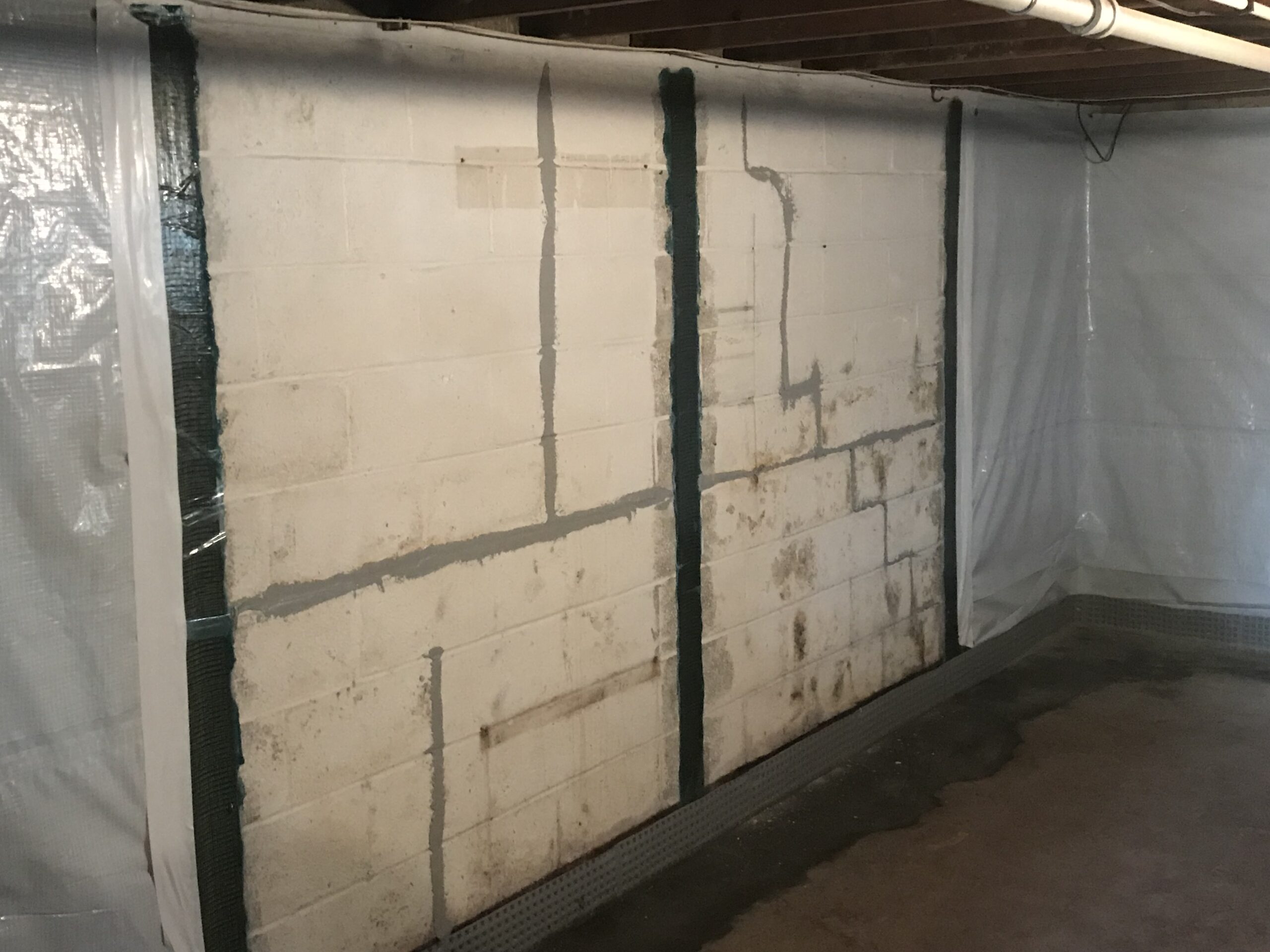
Choosing the Right Interior System for Your Basement
Not every interior system includes every component. What’s right for your home depends on a few practical questions:
- How severe is the problem? Occasional damp spots may only need a perimeter drain and sump pump. Water after every storm usually calls for a more complete system with wall vapor barriers and, often, dehumidification.
- How will you use the space? A storage-only basement can get by with basic moisture control. If you plan to finish it as a family room, office or guest suite, it needs stronger protection for walls, flooring and furnishings. Our guide to waterproofing before finishing a basement covers this in detail.
- What is your foundation made of? Poured concrete may only need interior drainage. Older stone or concrete block foundations often need extra wall treatments or liners to control seepage. See how block walls are waterproofed.
- Short-term cost or long-term value? Waterproofing paints and store-bought sealants cost less upfront, but they usually only hide symptoms. A professionally installed system costs more at first and helps you avoid the bigger bills that come with water damage, mold cleanup and structural repair.
Supporting Pieces: Crack Sealing, Interior French Drains and Dehumidification
Beyond the core drain channel, sump and vapor barrier, a few other measures are often part of an interior plan:
- Crack injection. Specialized sealants injected from the inside fill foundation cracks so they stop passing water. Sealing a crack alone rarely fixes a wet basement, but it’s a useful part of a larger system.
- Interior French drains. Where water intrusion is heavier, a gravel-filled trench with perforated pipe along the perimeter collects more water and relieves pressure against the walls before sending it to the sump. Learn more about French drain systems for basements.
- Dehumidification. In humid basements, or ones that have already had water damage, a dehumidifier is often the last step to keep the space dry and discourage mold.
Why do basements that were once dry start leaking? Foundations expand and contract with temperature changes, soil shifts, and houses settle. Even small changes open new paths for water, which is why an interior system manages water across the whole perimeter instead of chasing one leak at a time.
Serving Bucks and Montgomery County
Pressman Home Services installs interior waterproofing systems throughout Warminster, Warrington, Doylestown, Newtown, Langhorne, Jamison, Chalfont, and surrounding communities in Bucks and Montgomery County. As a local, family-owned contractor, we’re familiar with the clay soils and older housing stock that make interior systems such a common — and effective — fix in this area.
Frequently Asked Questions
How long does interior waterproofing take to install?
Most interior waterproofing systems are completed in one to three days, depending on the size of your basement and how much of the perimeter needs a drain channel.
Will interior waterproofing stop a wet basement completely?
When properly installed and sized to your home, an interior system manages the water reaching your foundation and removes it before it causes damage. If exterior grading or drainage issues are also contributing, we’ll flag that during your inspection so you have the full picture.
Do I need a sump pump if I already have cracks sealed?
In most cases, yes. Sealing a crack addresses one entry point, but an interior basement waterproofing system — including a sump pump — manages water more broadly, including moisture that finds new paths once one is closed off.
Is interior waterproofing less expensive than exterior waterproofing?
Generally, yes. Because interior work doesn’t require excavation around your home, it’s typically less disruptive and more budget-friendly than a full exterior system, though your inspection will confirm what your home actually needs.
How do I choose the right interior waterproofing contractor?
Look for a contractor who inspects your home in person, explains how water is entering before recommending a system, uses their own installation crews, and backs the work with a written guarantee — all of which Pressman provides on every job.
Can an interior waterproofing system make my basement usable living space?
Yes, that’s one of its biggest benefits. Once water and humidity are under control, a basement that was only good for storage can become a guest room, home office, gym or den. A drier basement also cuts down on the musty air that can drift into the rest of the house.
Ready for a Dry Basement?
If you’re seeing water stains, seepage, efflorescence, or musty odors, don’t wait for the next storm to find out how bad it’s gotten. Call Pressman Home Services at (215) 614-5444 for a free inspection and a straight answer on whether interior waterproofing is the right fix for your home.