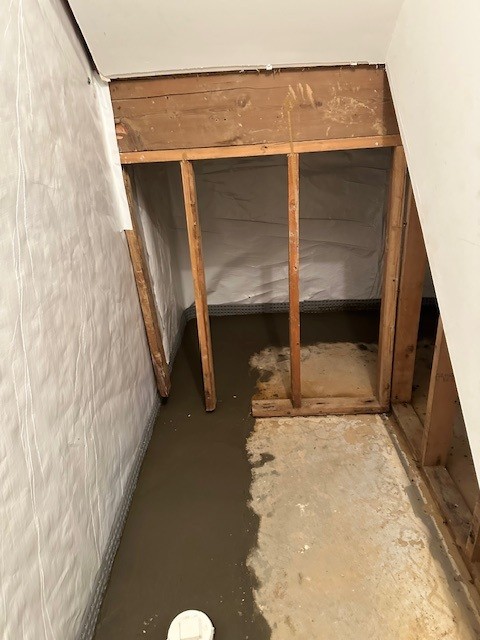
Older homes have a kind of charm you just can’t build overnight. Maybe it’s the solid craftsmanship, the unique architecture, or the feeling that every wall holds a story. But while these homes often stand strong above ground, what lies beneath them can tell a different story. Over time, foundations age, drainage systems wear out, and moisture begins to find its way into places it shouldn’t. That’s why basement waterproofing for older homes becomes one of the most important steps in protecting both the structure and the comfort of the house.
Think of your basement like the roots of a tree. If the roots are constantly soaked, weak, or damaged, the entire structure above can slowly begin to suffer. Water may start as a small damp patch on a wall or a faint musty smell in the basement. But left untreated, these signs can grow into much bigger problems, including mold growth, foundation cracks, and long-term structural damage. Many homeowners don’t realize how common this issue is until a heavy rainstorm reveals just how vulnerable older foundations can be.
Why Older Homes Are More Vulnerable to Basement Water Problems
Many homeowners love the charm and history that come with an older home. Thick plaster walls, hardwood floors, and classic architecture often give these houses a character that modern builds simply can’t replicate. However, beneath all that charm lies something that often goes unnoticed—the aging foundation and drainage systems that protect the home from water damage.
When homes were built decades ago, builders used the best materials and techniques available at the time. But construction practices have evolved significantly over the years. As materials age and soil conditions change, basements in older homes can become more vulnerable to water intrusion. This is why basement waterproofing for older homes is often necessary to maintain the health and stability of the entire structure.
Think of it like an old raincoat. When it was new, it kept water out perfectly. But after years of wear, the seams weaken and small leaks begin to appear. Foundations in older homes behave in a similar way. Over time, small vulnerabilities develop, allowing moisture to find its way into the basement.
Several factors contribute to these water problems, especially in homes built many decades ago.
Outdated Construction Methods
Construction techniques used in the early and mid-20th century were very different from the building practices used today. Many older homes were built before modern waterproofing membranes, advanced drainage systems, and moisture barriers became standard in construction.
Instead of waterproofing materials, builders often relied on thick concrete or masonry walls to resist water. While these materials are strong, they are also porous. Over time, water pressure from surrounding soil can force moisture through tiny pores in the foundation walls.
Without proper barriers in place, basements become vulnerable to dampness, especially during heavy rainstorms or periods of high groundwater. In many cases, basement waterproofing solutions are added decades after the home was built to provide the protection that earlier construction methods lacked.
Clay Tile Drains and Aging Materials
Many older homes rely on clay tile drainage systems installed around the foundation. At the time, these systems were considered an effective way to move water away from the basement.
However, clay tiles can deteriorate with age. They may crack, collapse, or become clogged with soil, roots, and debris. When this happens, water can no longer drain properly away from the home. Instead, it begins to accumulate around the foundation walls.
As groundwater builds up, hydrostatic pressure increases. This pressure pushes water through cracks, joints, and porous materials in the basement walls and floors. Over time, what starts as minor dampness can develop into persistent leaks.
For many homeowners, basement waterproofing for older homes involves replacing or supplementing these outdated drainage systems with modern solutions that move water away more efficiently.
Settling Foundations and Shifting Soil
Over the years, the ground beneath a home naturally shifts and settles. This process is completely normal, but it can place stress on the foundation walls and basement floor.
When soil settles unevenly, small cracks may form in the foundation. Even hairline cracks can allow moisture to seep into the basement during periods of heavy rain or snowmelt. As the years pass, these cracks may widen, creating easier pathways for water intrusion.
Additionally, soil expansion and contraction caused by seasonal weather changes can add pressure to the foundation walls. In regions with frequent rainfall or fluctuating temperatures, this pressure can gradually weaken older foundations.
That’s why professional basement waterproofing solutions often include crack repair, drainage improvements, and pressure relief systems designed to protect aging foundations from further damage.
Poor Exterior Drainage Around Older Houses
Another common issue in older homes is improper exterior drainage. Over time, landscaping changes, soil erosion, and settling can alter the way water flows around a property.
Ideally, the ground around a home should slope away from the foundation so rainwater flows safely toward drainage areas. However, many older properties experience the opposite problem. Soil may slope toward the house, allowing water to collect near the basement walls.
Gutters and downspouts can also contribute to water problems if they become clogged, damaged, or improperly positioned. When rainwater pours directly next to the foundation, it increases the amount of moisture surrounding the basement.
As water accumulates in the soil around the home, hydrostatic pressure increases. This pressure forces water through weak spots in the foundation walls or basement floor.
Addressing these issues is an important part of basement waterproofing for older homes, as proper grading and exterior drainage improvements help reduce the amount of water that reaches the foundation in the first place.
Basement Waterproofing Challenges Unique to Older Homes
Older homes bring character, craftsmanship, and a sense of history that many homeowners treasure. But beneath that charm, older foundations often present unique challenges when it comes to moisture control. Unlike modern homes built with advanced waterproofing materials, many historic or aging houses rely on foundation systems that were never designed to resist long-term water exposure.
Because of this, basement waterproofing for older homes requires a thoughtful approach. It’s not simply about sealing a crack or installing a quick fix. The goal is to protect the structure while preserving the integrity of materials that may be decades—or even over a century—old.
Many older homes were built using materials and methods that respond differently to moisture compared to modern poured concrete foundations. These differences can create several challenges when addressing basement water problems.
Stone and Brick Foundations
Many homes built in the early 1900s or earlier feature stone or brick foundations rather than modern poured concrete. While these materials were incredibly durable for their time, they were not designed to be completely waterproof.
Stone and brick foundations contain numerous joints and natural gaps where mortar holds the materials together. Over time, these joints can become pathways for moisture. Even when the structure itself remains strong, water can seep through the porous surfaces or the mortar lines between stones and bricks.
Additionally, these foundations often lack modern waterproof coatings or exterior drainage systems that prevent water from reaching the walls in the first place.
This is where modern basement waterproofing solutions must be carefully applied. Instead of simply sealing the surface, professionals often use specialized drainage systems and breathable materials that manage moisture without damaging the original structure.
Aging Mortar Joints
Mortar plays a crucial role in older masonry foundations. It acts like the glue that holds bricks or stones together. But unlike the bricks or stones themselves, mortar tends to deteriorate faster over time.
Decades of moisture exposure, temperature fluctuations, and natural aging can cause mortar joints to weaken, crack, or crumble. When this happens, small gaps appear between the masonry materials, allowing water to pass through the foundation wall.
Once moisture begins entering through these weakened joints, it can lead to damp basement walls, mold growth, and gradual structural weakening if left unaddressed.
Proper basement waterproofing for older homes often involves repointing or repairing mortar joints before applying additional waterproofing systems. This step restores the strength of the foundation while preventing further water intrusion.
Outdated Drainage Systems
Another common issue in older homes is the presence of outdated or failing drainage systems. Many homes built decades ago relied on simple perimeter drains made from clay tiles or basic pipes.
While these systems worked well when they were first installed, they often struggle to keep up with modern rainfall patterns and groundwater levels. Over time, clay tiles can crack, collapse, or become clogged with dirt and plant roots.
When drainage systems stop functioning properly, water begins to accumulate around the foundation. This increases hydrostatic pressure, which pushes moisture through cracks and porous materials in the basement walls.
Modern basement waterproofing solutions typically include installing updated drainage systems designed to move water safely away from the home. These systems may include interior drain tiles, sump pumps, or exterior waterproofing membranes that reduce pressure around the foundation.
Settling Foundations Over Decades
All homes settle over time, but older homes have had many more years for this process to occur. Soil conditions change gradually, and the weight of the structure can cause subtle shifts in the foundation.
While slow settling is normal, it can lead to small cracks forming in basement walls or floors. These cracks may start out barely visible but can become entry points for water over time.
In addition, decades of soil movement can create uneven pressure around different parts of the foundation. When this pressure builds up, it can push against weakened areas of the basement walls, allowing moisture to seep inside.
Addressing these issues requires a combination of foundation repair and moisture control strategies. Effective basement waterproofing for older homes focuses not only on stopping leaks but also on relieving pressure around the foundation so new cracks and water pathways do not develop.
By understanding the unique challenges that older homes face, homeowners can take proactive steps to protect their basements from water damage. With the right approach, even foundations that have stood for generations can remain strong, dry, and stable for many more years.
How Basement Waterproofing Protects the Value of Older Homes
A home’s foundation plays a major role in its overall value, especially when the property is older. Buyers, inspectors, and homeowners all understand that moisture problems in a basement can quickly lead to expensive repairs and long-term structural issues. That’s why basement waterproofing for older homes is more than just a maintenance task—it’s an investment in the home’s future. By addressing water intrusion early, homeowners can preserve the stability of the structure and avoid problems that may impact resale value down the road.
Modern basement waterproofing solutions help strengthen and protect aging foundations by managing moisture before it becomes a serious issue. Waterproofing systems work to prevent structural damage, protect indoor air quality, and make historic homes safer and more comfortable for modern living. When basements stay dry, homeowners reduce the risk of foundation cracks worsening, mold spreading through the house, and humidity affecting living spaces above the basement. In short, effective waterproofing helps ensure that the charm and character of an older home remain supported by a strong, healthy foundation.
When to Call a Professional for Basement Waterproofing for Older Homes
Some basement moisture issues may start small, but they rarely stay that way for long. A damp corner, a faint musty smell, or a small crack in the foundation can seem harmless at first. However, in older houses, these warning signs often indicate deeper structural or drainage issues that require professional attention. That’s why basement waterproofing for older homes is best handled by experienced specialists who understand how aging foundations behave and how to protect them properly.
Older homes often require more than a quick sealant or a temporary fix. The materials used in historic or aging foundations—such as stone, brick, or early concrete—can react differently to moisture and pressure from surrounding soil. Professionals evaluate the entire system around the foundation, including drainage, grading, cracks, and hydrostatic pressure. With the right inspection, experts can recommend effective basement waterproofing solutions that stop water intrusion while preserving the structural integrity of the home.
Professional waterproofing teams also have access to tools and techniques that homeowners typically do not. From interior drainage systems and sump pump installation to crack repair and exterior waterproof barriers, these solutions address the root causes of water intrusion rather than simply covering up the symptoms. This approach is especially important in older homes, where hidden issues may have developed over decades.
Working with a trusted contractor ensures that waterproofing solutions are tailored to the specific needs of the property. Every home is different, particularly when dealing with foundations that may be many years old. Experienced professionals can identify vulnerable areas, reinforce weak spots, and implement long-term strategies that keep basements dry for years to come.
Protect Your Home With Help From Pressman Home Services
If you’re noticing damp walls, musty odors, or signs of water intrusion in your basement, it may be time to consider basement waterproofing for older homes. Addressing these problems early can prevent costly repairs, protect your home’s structure, and improve the overall comfort of your living space.
The team at Pressman Home Services understands the unique challenges that older homes face when it comes to moisture and foundation protection. Their experienced professionals provide reliable basement waterproofing solutions designed to keep basements dry and foundations strong. From identifying the source of water intrusion to installing proven waterproofing systems, they focus on long-lasting solutions that protect your home from the ground up.
Don’t wait until a small moisture problem becomes a major repair. Contact Pressman Home Services today to schedule an inspection and learn how professional waterproofing can help safeguard your home for years to come.