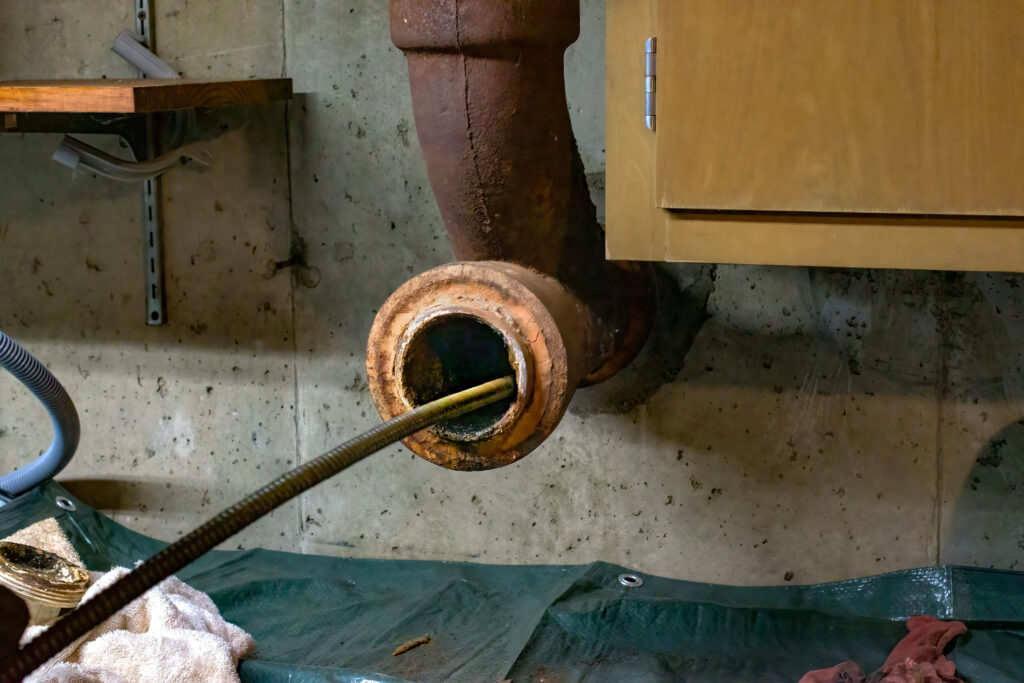
A backed-up basement drain is more than just an inconvenience—it’s a warning sign of a potentially serious plumbing issue. When water starts pooling around your basement floor drain, it could mean anything from a minor clog to a major sewer line problem. Left unchecked, this issue can lead to foul odors, property damage, and even health risks from standing water.
If you’ve ever asked yourself, “Why is my basement drain backing up?”, you’re not alone. Homeowners across the country face this problem, and understanding the causes can help you take the right steps to fix it before it gets worse.
In this article, we’ll explore why basement drains back up, whether it’s a normal occurrence, and the best ways to fix the issue before it leads to costly repairs. Let’s dive in.
Why Is My Basement Drain Backing Up?
Your basement drain is designed to remove excess water and prevent flooding, but when it starts backing up, something is wrong. The most common causes include:
1. Clogged Main Sewer Line
One of the biggest culprits behind a backed-up basement drain is a clogged main sewer line. When debris, grease, or even tree roots block the pipe leading to the city sewer, wastewater has nowhere to go. As a result, it finds the lowest point in your home—often the basement drain—and starts backing up.
2. Heavy Rainfall Overwhelming the System
If your area recently experienced a heavy rainstorm, excess water might be too much for your drainage system to handle. Municipal sewer lines can get overwhelmed, causing water to push back into homes.
3. Blocked Floor Drain Trap
Your basement drain has a trap designed to prevent sewer gases from entering your home. Over time, this trap can become clogged with dirt, hair, soap scum, or debris, leading to slow drainage or a complete backup.
4. Tree Root Intrusion
Roots from trees and shrubs can grow into your underground pipes, causing partial or complete blockages. If left unchecked, they can crack or break pipes, leading to expensive repairs.
5. Collapsed or Broken Pipes
Old homes often have clay or cast iron pipes, which can deteriorate over time. If a pipe collapses, sewage will have no way to exit your home, causing it to back up into the basement drain.
6. Sump Pump Failure
If your basement relies on a sump pump to remove excess water, a failure in the system can cause water to back up through the drain. This can happen due to a power outage, mechanical failure, or a clogged discharge pipe.
If you’re asking yourself, “Why is my basement drain backing up?”, one of these issues is likely the cause. Identifying the problem quickly can help you avoid costly damage and repairs. Next, we’ll discuss whether occasional backups are normal or if they indicate a larger issue.
Is It Normal for a Basement Drain to Back Up?
A basement drain backing up occasionally might not seem like a big deal, but it’s never something to ignore. While a one-time issue caused by heavy rain or temporary blockages might not be alarming, frequent backups signal a deeper problem that needs immediate attention.
When Is It Normal?
- After heavy rainfall – If your city’s sewer system is overwhelmed after a storm, you might experience temporary water backup.
- Minor clogs that clear quickly – Sometimes, small amounts of debris can momentarily slow drainage but resolve themselves with basic cleaning.
- Sump pump discharge during high water table periods – If your sump pump is overworked, it might push water back through the drain briefly.
When Is It a Serious Problem?
If you notice any of these signs, your basement drain backup is a warning of a bigger plumbing issue:
- Frequent backups, even in dry weather – This suggests a blockage in your home’s main sewer line.
- Slow draining water that worsens over time – A growing clog in the pipes could be restricting flow.
- Foul sewage odors – A strong sewage smell means wastewater is sitting in your pipes or backing up into your home.
- Gurgling sounds from drains or toilets – Air trapped in blocked pipes can create bubbling or gurgling noises.
- Water backing up from multiple drains – If your sinks, tubs, or toilets are also slow to drain or backing up, your entire plumbing system might be compromised.
While occasional backups caused by external factors can be normal, repeated incidents mean your plumbing system is struggling. If you keep wondering, “Why is my basement drain backing up?”, it’s time to find a solution before the problem worsens.
How Do You Fix a Backed-Up Drain in a Basement?
When your basement drain backs up, you need to act fast before water damage or mold growth sets in. The right solution depends on the cause, so let’s go through some effective ways to clear the blockage and prevent future problems.
1. Remove Surface Water Immediately
If you have standing water, use a wet/dry vacuum, mop, or sump pump to remove it as quickly as possible. Standing water can lead to mold and structural damage if left untreated.
2. Try a Plunger or Drain Snake
For minor clogs, a plunger can create enough suction to dislodge debris. If that doesn’t work, a manual drain snake (also called a plumber’s auger) can break up and remove small blockages deeper in the pipe.
3. Pour Boiling Water or Vinegar & Baking Soda
If the clog is caused by grease or soap buildup, try pouring a pot of boiling water down the drain. You can also use a vinegar and baking soda mix—pour one cup of baking soda followed by one cup of vinegar, wait 15 minutes, then flush with hot water.
If you’re still asking, “Why is my basement drain backing up?”, it’s time to consult the professionals. Pressman Home Services specializes in:
- Basement Waterproofing: We offer comprehensive solutions to keep your basement dry, including interior and exterior waterproofing systems and French drain installation.
- Plumbing Services: We provide a range of plumbing services, including sump pump installation and repair, to prevent water damage in your basement.
- Sump Pump Installation: Our experts install and maintain sump pumps to keep your basement dry, even under challenging conditions.
Don’t let a backed-up drain lead to costly water damage. Contact Pressman Home Services today to schedule an inspection and restore your basement’s safety and comfort.