If you’ve lived in Pennsylvania long enough, you’ve probably dealt with a damp basement—or at least worried about one during a heavy rainstorm. Between our unpredictable weather, clay-heavy soil, and older housing stock, water issues are a common headache for homeowners across the state. Whether it’s musty odors, peeling paint, or that creeping sense that your basement isn’t as dry as it should be, it’s no surprise that many folks ask: is basement waterproofing worth it in Pennsylvania?
This guide is here to help you answer that question with confidence. We’ll dig into why waterproofing matters in the Keystone State, explain the different methods (without getting too technical), and show you how it can protect your home, your health, and even your property value. Whether you’re dealing with a recurring leak or just want peace of mind before finishing your basement, you’re in the right place.
Understanding Basement Waterproofing in Pennsylvania
Pennsylvania is a beautiful state—but when it comes to basement waterproofing, beauty can come with a soggy price tag. Our unique combination of four seasons, sloped terrain, and varied soil types makes water intrusion a top concern for homeowners across the state. So before we jump into methods or tools, let’s take a closer look at why waterproofing is such a smart investment for Pennsylvania homeowners.
Climate Matters
Pennsylvania sees its fair share of rain and snow. From spring downpours to melting snowpacks in March, water is constantly trying to make its way into your home—especially if your foundation isn’t prepared for it. The freeze-thaw cycle alone can cause cracks in basement walls and floors, opening the door for water intrusion. Even in a brand-new home, that moisture can quickly creep in if the proper waterproofing measures aren’t in place.
Now imagine what that means for homes built 40, 50, or even 100 years ago—many of which were constructed long before modern waterproofing methods were developed. That’s one reason basement waterproofing is worth it in Pennsylvania: you’re not just dealing with current conditions, but decades of wear and tear that may be hidden just below the surface.
Soil Conditions Aren’t Helping
Next, let’s talk dirt. Much of Pennsylvania has dense, clay-heavy soil. While clay is great at holding onto nutrients for gardening, it’s not your basement’s best friend. Clay holds water. That means during wet seasons, the soil around your foundation can act like a sponge—soaking up moisture, expanding, and pressing hard against your basement walls. This is known as hydrostatic pressure, and it’s one of the most common causes of basement leaks and cracks.
In areas with poor drainage, that pressure can be relentless. It doesn’t just push water into tiny cracks—it can cause walls to bow or floors to buckle. Without waterproofing, your basement is basically at the mercy of your soil.
Flood-Prone Regions of Pennsylvania
Certain areas of Pennsylvania—like parts of Bucks, Montgomery, and Delaware Counties—are more flood-prone than others. If you live near a creek, stream, or low-lying area, you already know that a heavy rainstorm can turn into a water emergency fast. And when flash flooding occurs, it’s not just water seeping in slowly over time—it’s full-on water intrusion that can ruin drywall, flooring, furniture, and more.
That’s why basement waterproofing is worth it in Pennsylvania not just for prevention, but for protection. Homeowners with proactive waterproofing systems are better prepared to handle those emergencies without dealing with long-term damage or expensive repairs.
Water in the Basement Isn’t Always Obvious
Here’s a quick story: a couple in Chester County moved into a charming 1950s ranch home. Everything looked great—until that first big summer storm. They didn’t see puddles, but they noticed a damp smell that wouldn’t go away. A few weeks later, they found mold growing behind a wall in their finished basement. The culprit? Moisture intrusion that had gone unnoticed for years.
This kind of hidden moisture is surprisingly common. Small leaks, high humidity, and poor air circulation can slowly create a damp, unhealthy environment. And in many cases, the warning signs—like musty odors or peeling paint—are ignored until mold or structural damage shows up. That’s why a dry basement isn’t just a comfort—it’s a sign of a healthy home.
Interior vs. Exterior Waterproofing: What’s the Difference?
When homeowners start looking into waterproofing, one of the first questions they ask is: “Should I waterproof from the inside or the outside?” And it’s a good question—because the answer depends on your home, your budget, and the severity of your water issues.
At Pressman Home Services, we specialize in both interior and exterior basement waterproofing solutions across Pennsylvania. Let’s break down the differences so you can understand what’s best for your home.
1. Interior Waterproofing: Stop Water from the Inside
Interior waterproofing is often the first line of defense—and it’s especially useful for managing water that’s already found its way inside. This approach is less about keeping water out and more about controlling where it goes once it’s in. That might sound like a compromise, but in many cases, it’s a powerful solution.
Here’s what’s usually involved:
- Installing a French drain system beneath the basement floor to collect and channel water
- Adding a sump pump to pump the water out of the basement
- Sealing wall cracks or applying waterproof coatings to walls
Interior waterproofing is generally more cost-effective and less disruptive than exterior work. It’s an ideal option for finished basements or homes where excavation isn’t feasible. Plus, it can be done quickly and effectively—making it a great choice when a fast solution is needed.
Many Pennsylvania homes, especially older ones, benefit from interior systems that manage chronic dampness and redirect water safely away from your living space. If you’ve ever asked yourself, “is basement waterproofing worth it in Pennsylvania?”—interior solutions might be your first step toward a dry, usable space.
2. Exterior Waterproofing: Stop Water Before It Gets In
Exterior waterproofing, on the other hand, tackles the problem at its source—outside your foundation walls. This method focuses on preventing water from ever entering your basement in the first place. It’s often considered the most comprehensive waterproofing strategy.
Exterior waterproofing may include:
- Excavating around the home’s foundation
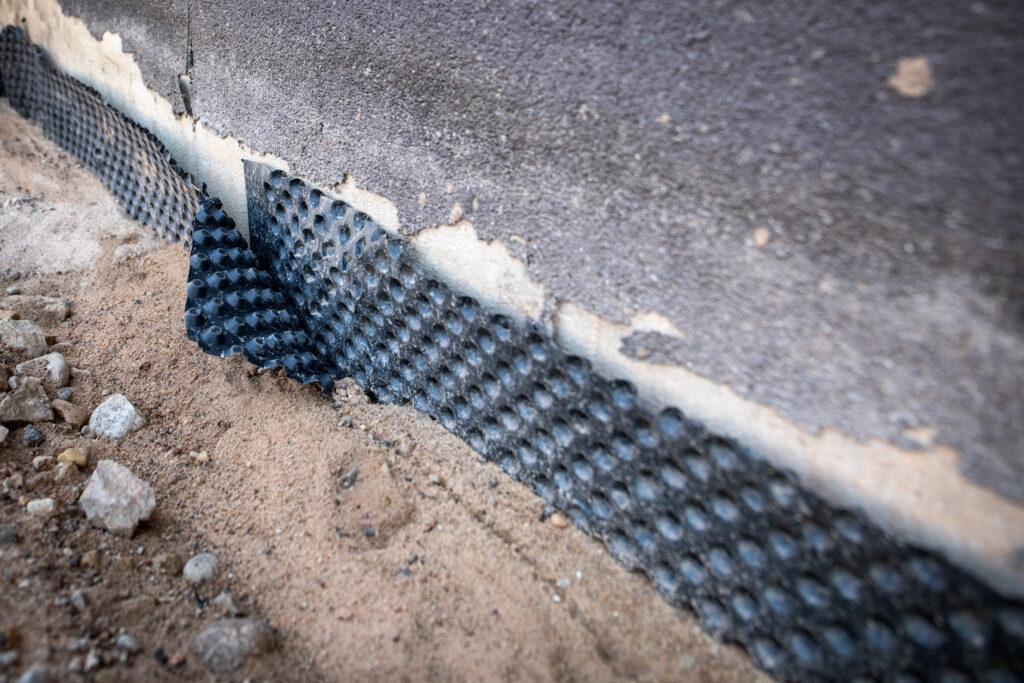
- Applying a waterproof membrane to exterior walls
- Installing exterior drainage systems (like French drains) at the footing level
- Backfilling with gravel and protective barriers to encourage drainage
While it’s more invasive and typically requires heavy equipment and skilled labor, exterior waterproofing is incredibly effective—especially in homes with serious flooding issues or poor grading. In many Pennsylvania neighborhoods where homes are built on hillsides or in low-lying zones, exterior waterproofing provides peace of mind during every storm.
Yes, it’s a bigger investment—but it’s also a long-term one. And when you weigh it against the cost of repeated basement repairs or flood damage, the value becomes clear. It’s just another reason basement waterproofing is worth it in Pennsylvania, especially in areas hit hardest by seasonal storms.
If you’re unsure which option makes the most sense for your home, a qualified waterproofing specialist (like our team at Pressman) can assess your basement, foundation, and drainage patterns to recommend a custom plan.
Sump Pumps & French Drains: Essential Tools to Keep Your Basement Dry
When it comes to keeping basements dry in Pennsylvania, sump pumps and French drains are a dynamic duo. Together, they form the backbone of most interior waterproofing systems—and for good reason. A French drain collects water before it spreads across your basement floor, and the sump pump sends that water far away from your foundation. It’s a smart, efficient system that works with gravity and technology to solve water problems at the source.
A French drain, despite the fancy name, is a simple and brilliant invention. Picture a narrow trench filled with gravel and a perforated pipe. When installed along the basement perimeter (either inside or outside), it quietly gathers excess groundwater or seepage and redirects it before it has a chance to build up pressure. In Pennsylvania—where heavy rains and clay-rich soil trap moisture around your foundation—this tool is crucial. And unlike old-school systems, modern French drains are designed to work seamlessly with your home’s structure without getting in the way of your living space.
Of course, all that water has to go somewhere—which is where the sump pump steps in. Installed in a pit at the lowest point of the basement, the pump automatically activates when water levels rise. It’s the last line of defense between your home and potential flood damage. If you’ve ever wondered, is basement waterproofing worth it in Pennsylvania?—imagine one heavy summer storm and the thousands of gallons of water a sump pump can remove in just a few hours. That peace of mind is worth every penny, especially when your home, health, and belongings are on the line.
Mold Removal & Indoor Air Quality: The Health Benefits of a Dry Basement
Basement moisture isn’t just a nuisance—it’s a health risk hiding in plain sight. When water seeps into your basement, even in small amounts, it creates the perfect environment for mold growth. Mold thrives in dark, damp spaces, and once it takes hold, it spreads fast—behind walls, under flooring, and into the air you breathe. For Pennsylvania families dealing with allergies, asthma, or other respiratory issues, poor indoor air quality caused by hidden basement mold can quietly affect your daily life. That’s why one of the biggest overlooked answers to the question “is basement waterproofing worth it in Pennsylvania?” is simply this: it protects your health.
At Pressman Home Services, we don’t just waterproof basements—we remove existing mold and prevent it from coming back. When you stop moisture at the source, you reduce the risk of mold-related health problems and improve air quality throughout your entire home. Many homeowners are shocked to learn that mold spores from the basement can travel upstairs through ductwork and stairwells, affecting every room. A dry basement means a cleaner, healthier living environment for your entire family—and that’s something you can feel good about every single day.
How Waterproofing Unlocks Basement Conversion Potential
A dry basement isn’t just about stopping leaks—it’s about unlocking potential. Once waterproofed, your basement can become so much more than just storage. Think cozy guest suites, home offices, playrooms, gyms, or even that dream media room you’ve been pinning ideas for. Many Pennsylvania families are finding new ways to expand their living space without the cost of an addition, simply by transforming the basement into a warm, dry, and usable area. It all starts with proper waterproofing—and once done, the possibilities are endless.
And let’s not forget what this does for your bottom line: a waterproofed, finished basement adds serious value to your home. Buyers in Pennsylvania are looking for extra living space and peace of mind—and a dry, functional basement checks both boxes. Homes with proven waterproofing systems (especially those with sump pumps and French drains already in place) often sell faster and at higher prices than those with damp, unfinished basements. So, if you’re still wondering, is basement waterproofing worth it in Pennsylvania?—just ask your future self when it’s time to list your home. The return on investment can be well worth it.
Is Basement Waterproofing Worth It in Pennsylvania? Choose a Trusted Contractor for the Job
By now, the answer should be clear: yes, basement waterproofing is absolutely worth it in Pennsylvania. Between the wet seasons, clay-heavy soils, and aging homes across the state, water intrusion isn’t a maybe—it’s a when. But with the right waterproofing system in place, you don’t have to live in fear of the next downpour or snowmelt. Whether it’s interior solutions like sump pumps and French drains, or exterior barriers that stop water at the source, investing in a dry basement protects your home, your health, and your future.
But waterproofing is only as good as the team behind it—and that’s where Pressman Home Services comes in. We’ve helped hundreds of homeowners across Pennsylvania take control of their basements with smart, effective, long-lasting solutions. We don’t just patch problems—we solve them. From mold remediation to full waterproofing system installs, we treat your home like it’s our own.
Ready to protect your basement and reclaim your space?
Contact Pressman Home Services today for a free consultation. Let’s turn your basement from a worry into a win