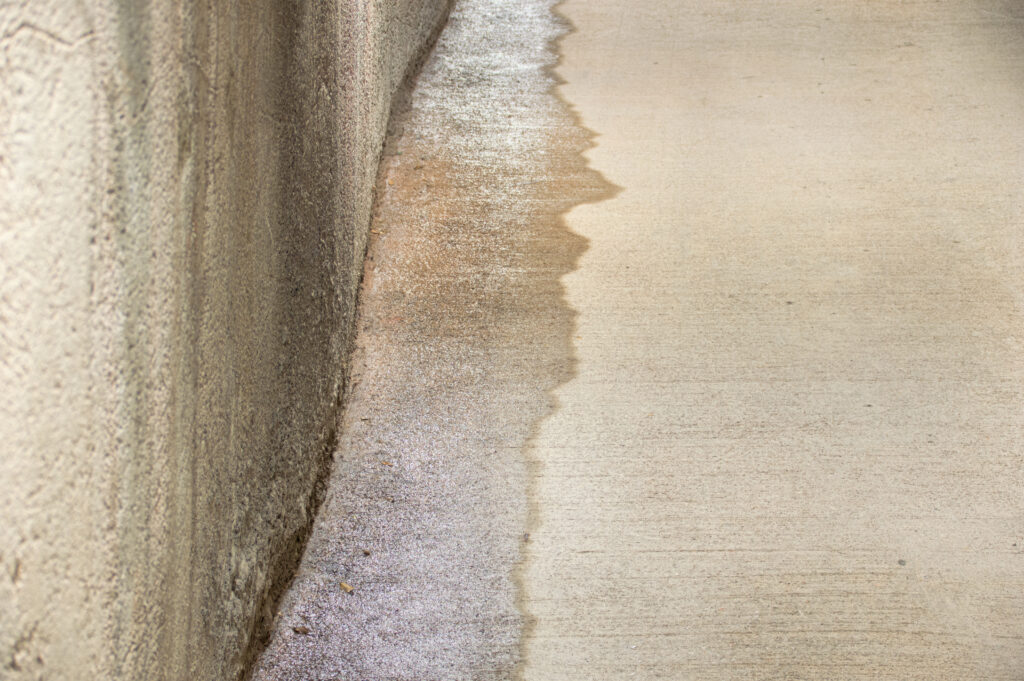
Imagine stepping into your basement after a heavy rainstorm, only to find puddles creeping across the floor or worse—a musty smell hinting at hidden moisture behind walls and under floors. For many homeowners in Doylestown, this isn’t just a worst-case scenario; it’s a common reality. The charming older homes, unique soil composition, and unpredictable Pennsylvania weather often make basements especially vulnerable.
Water in the basement isn’t just an inconvenience; it’s a red flag that could signal bigger problems down the line. From structural damage to mold growth, untreated basement water issues can quickly turn from a minor nuisance into a costly disaster. That’s why water in basement repair in Doylestown is a crucial service every homeowner should have on their radar.
Common Causes of Water in Your Doylestown Basement
Doylestown is known for its beautiful landscapes, historic homes, and, yes, the occasional downpour that leaves many basements damp and vulnerable. Understanding why water sneaks into your basement is the first step toward stopping it.
1. Poor Drainage Around the Foundation
One of the most frequent culprits is poor drainage. When water from rain or melting snow doesn’t properly drain away from your home’s foundation, it tends to pool around the base and eventually seep through cracks or porous concrete. Older Doylestown homes, in particular, often lack modern drainage systems, making them more susceptible to this issue.
2. Cracks in Foundation Walls or Floors
Pennsylvania weather can be harsh on a home’s foundation. Over time, temperature changes cause concrete to expand and contract, leading to hairline fractures or larger cracks. Water loves to find the path of least resistance, and even the smallest crack can become an entry point. This is a classic reason why water in basement repair in Doylestown is such a necessary service.
3. Clogged or Broken Gutters
Your gutters are supposed to whisk water away from your home, but when they’re clogged with leaves, dirt, or debris, they can’t do their job. Instead, water spills over and saturates the soil near your foundation. Without functional downspouts directing the flow away, your basement becomes the next destination.
4. Hydrostatic Pressure
Imagine the ground around your home acting like a sponge, soaking up water during wet weather. Eventually, the soil becomes saturated, creating hydrostatic pressure—an invisible force that pushes water through walls and floors. Doylestown’s clay-heavy soil makes this scenario all too common.
5. Poorly Sealed Windows or Hatchways
Basement windows and exterior entrances like hatchways are often overlooked but can be sneaky sources of leaks. If they aren’t properly sealed or have deteriorated over time, water will seep through when heavy rain or melting snow accumulates.
6. Sump Pump Malfunctions
For homes equipped with sump pumps, these devices are the unsung heroes of keeping your basement dry. But when a sump pump fails—whether due to power outages, mechanical issues, or a simple lack of maintenance—you’re left without a defense against rising groundwater.
Signs You Need Professional Basement Water Repair in Doylestown
Sometimes, the signs of water damage in your basement are as clear as a puddle on the floor. Other times, they’re more subtle—quiet warnings that something’s not right beneath your feet. Whether you’ve lived in Doylestown your whole life or you’re a recent transplant, knowing what to look for could save you thousands in repairs down the road.
1. Visible Water or Dampness
This is the most obvious red flag. Standing water, wet spots on the floor, or moisture seeping from the walls is a clear sign that you need water in basement repair in Doylestown. Even minor dampness can lead to long-term issues like mold and mildew if left unchecked.
2. Musty Odors
Basements often have their own unique scent, but if that smell turns musty or sour, that’s moisture talking. Mold and mildew thrive in damp conditions, and their distinctive odor could be the first sign of a hidden leak.
3. Efflorescence on Walls
Ever notice a white, powdery residue on your basement walls? That’s called efflorescence, and it happens when water seeps through concrete or masonry and leaves behind salt deposits. While it might seem harmless, it’s often a red flag for deeper moisture problems that require attention.
4. Peeling Paint or Wall Stains
Paint bubbling, peeling, or dark stains creeping up your basement walls are visual cues that moisture is infiltrating from the outside. Water tends to damage finishes from behind, so if you spot these signs, it’s smart to act fast.
5. Warped or Rotted Wood
If your basement has wooden framing, flooring, or even stored items, excess moisture can cause the wood to warp or rot. This is not just a cosmetic issue—rotted wood compromises the structural integrity of your space.
6. Increased Allergy Symptoms
Feeling stuffier than usual? Damp basements are prime breeding grounds for mold spores, which can trigger allergy symptoms like sneezing, coughing, and watery eyes. If your family’s health feels off and your basement is damp, the two could be connected.
7. Sump Pump Running Constantly
While it’s normal for sump pumps to kick on during rainy periods, if your pump runs nonstop, it could be a sign of overwhelming groundwater pressure or a malfunctioning system. Either way, it’s a strong indicator that you need professional water in basement repair in Doylestown.
The Risks of Ignoring Basement Water Issues
It’s tempting to shrug off a little moisture in the basement, especially if it seems minor. But ignoring water problems in your Doylestown home can snowball into bigger—and far more expensive—issues. The risks go well beyond a damp floor.
1. Mold and Mildew Infestations
Moisture is mold’s best friend. Left unchecked, even a slightly damp basement can become a breeding ground for mold and mildew. Not only does this damage walls, ceilings, and belongings, but it also poses serious health risks—especially for children, seniors, or anyone with allergies or respiratory issues. Mold spores can spread through your entire home via your HVAC system, leading to costly remediation.
2. Foundation Damage
Water has a sneaky way of eroding and weakening the very bones of your house. Over time, persistent moisture can compromise your foundation, leading to cracks that widen with every freeze-thaw cycle. Once structural integrity is at stake, repair costs rise exponentially. That’s why water in basement repair in Doylestown is not just preventative—it’s protective.
3. Decreased Property Value
No buyer wants to inherit a home with a known water problem. A history of basement water damage can dramatically lower your home’s resale value and scare off potential buyers altogether. Even if you patch it up last-minute, inspectors can often spot signs of past water issues, which could affect negotiations.
4. Electrical Hazards
Water and electricity? They don’t mix. Basements often house important electrical panels, appliances like washers and dryers, or water heaters. Standing water near electrical outlets or wiring creates dangerous shock hazards and could even lead to electrical fires if not addressed swiftly.
5. Damage to Personal Belongings
Many homeowners use basements for storage, keeping family heirlooms, seasonal decorations, tools, and keepsakes safe and out of the way. Unfortunately, water damage can ruin cardboard boxes, photographs, furniture, and other irreplaceable items before you even realize there’s a problem.
6. Escalating Repair Costs
What starts as a manageable leak today can become a full-blown restoration project tomorrow. The longer water problems are ignored, the more damage they cause—and the more expensive it becomes to fix them. Acting early on water in basement repair in Doylestown often means the difference between a simple solution and a full-scale renovation.
How Professional Basement Water Repair Works
If you’ve spotted the signs and recognize the risks, the next step is taking action. So, what does professional water in basement repair in Doylestown actually look like? While every situation is unique, here’s a breakdown of how the process typically works when you bring in seasoned experts.
1. Thorough Inspection and Diagnosis
Every successful repair starts with a careful inspection. A professional will examine both the inside and outside of your home, identifying where water is entering, how it’s moving through your basement, and what underlying issues (cracks, drainage problems, hydrostatic pressure, etc.) are to blame. In Doylestown, factors like older construction and heavy clay soil often play a big role.
2. Customized Repair Plan
No two basements—or water problems—are exactly alike. After diagnosing the issue, pros will recommend a tailored solution based on your home’s specific needs. This could involve foundation crack repairs, sump pump installation or replacement, exterior waterproofing, or interior drainage systems.
3. Foundation Crack Sealing
One of the most common repairs involves sealing cracks in walls or floors where water is seeping through. Depending on the severity, technicians may use epoxy injections, polyurethane foam, or hydraulic cement to stop water in its tracks and reinforce the structure.
4. Interior Drainage Systems
In some cases, an interior drainage system—like a French drain—may be installed along the perimeter of your basement floor. This system collects water before it can pool and directs it to a sump pump for safe removal.
5. Sump Pump Installation or Maintenance
Sump pumps are a go-to solution for managing groundwater in basements. Professionals will either install a new sump pump or repair and maintain your existing unit. In flood-prone areas of Doylestown, a backup battery system is often recommended to keep things running even during power outages.
6. Exterior Waterproofing
Sometimes, stopping water at the source is the best solution. Exterior waterproofing involves excavating around your foundation, applying a waterproof membrane, and installing exterior drainage to direct water away from the home. This option is more involved but offers long-term protection, especially for older properties.
7. Window Well & Hatchway Solutions
If basement windows or hatchways are the issue, professionals will improve seals, install proper covers, and add drainage solutions to divert water away from these weak spots.
8. Ongoing Maintenance and Prevention
After repairs are complete, pros will often recommend a maintenance plan. Regular gutter cleaning, downspout extensions, and annual sump pump inspections go a long way in preventing future issues. Many Doylestown homeowners appreciate having a go-to service provider to monitor their systems before storms hit.
Professional water in basement repair in Doylestown isn’t just about fixing what’s broken—it’s about fortifying your home against the next big storm and giving you peace of mind, season after season.
Why Pressman Home Services is Doylestown’s Trusted Basement Water Repair Expert
When it comes to protecting your home and family, cutting corners isn’t an option. At Pressman Home Services, we understand the unique challenges that Doylestown homeowners face when it comes to water infiltration. From the region’s unpredictable weather patterns to the quirks of older construction, we’ve seen it all—and we know how to fix it right the first time.
Our team specializes in water in basement repair in Doylestown, offering customized solutions designed to tackle both the visible symptoms and the hidden causes of your moisture issues. We don’t just patch things up and move on. We take the time to thoroughly inspect your property, craft a long-term plan, and deliver results that last.
Contact Pressman Home Services today to schedule your inspection. Whether it’s a small crack or a full waterproofing project, we’re here to help you protect what matters most.